



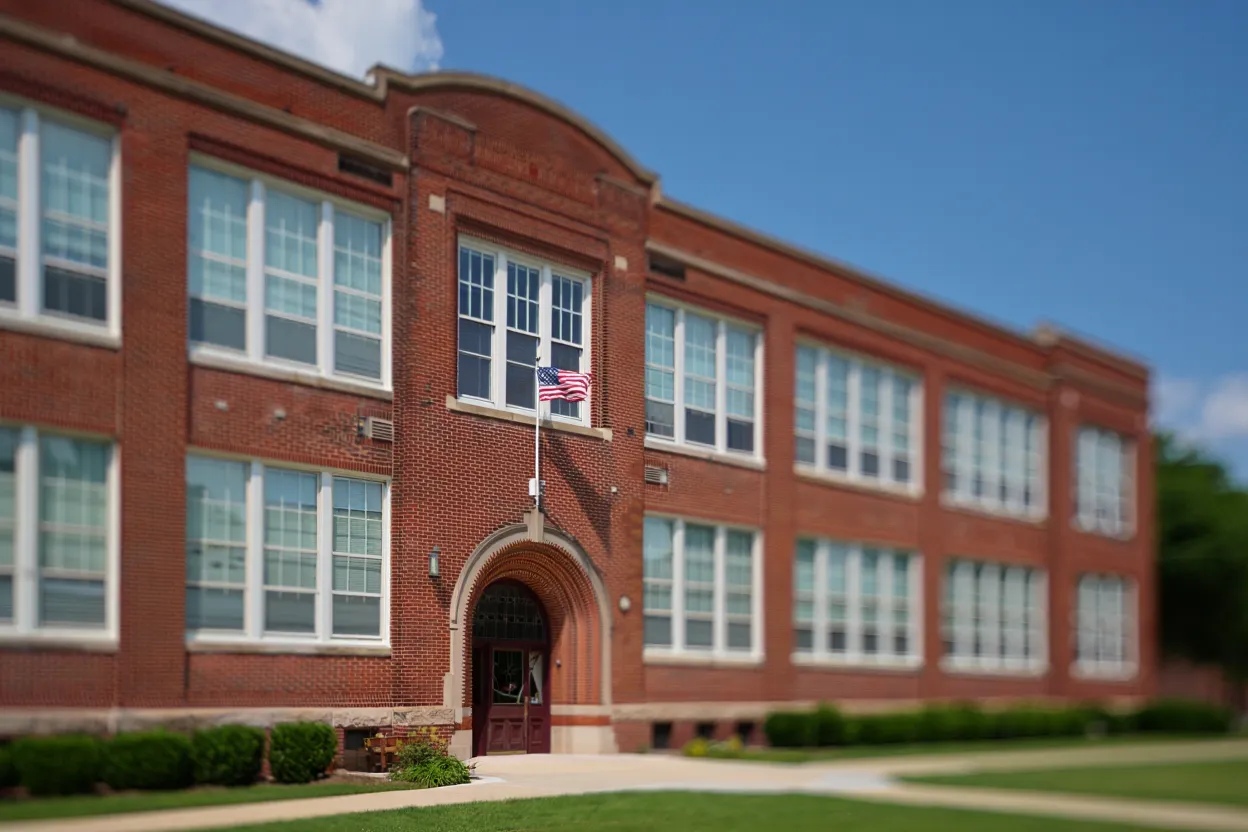



- Developers converted almost 2,000 apartments from vacant schools in 2024, quadrupling the previous year’s total, according to RentCafe.
- School buildings offer large windows, high ceilings, and central locations that appeal to renters and simplify conversion relative to offices.
- School closures are providing a fresh pipeline for affordable and senior housing, with over 9,300 units in development as of early 2026.
School Closures Unlock Adaptive Reuse
Developers are turning a rising number of vacant public schools into apartments as school closures accelerate nationwide. The Wall Street Journal reports that nearly 2,000 apartment units were created from school conversions in 2024—a fourfold jump versus 2023—making these buildings the fastest-growing pool for adaptive reuse. This approach addresses housing shortages, meets growing demand for affordable and senior rental units, and gives new life to underutilized civic assets. RentCafe identified 9,320 units in the school-to-apartment pipeline at the start of 2026, up from 7,710 at the start of 2024, showing persistent momentum.
Behind this trend is the long-term decline in public school enrollment, which is emptying aging buildings in cities from Miami to Philadelphia and Houston to Austin. With many school districts strapped for cash and shifting populations shrinking rosters, more properties are coming to market for redevelopment—paired with historic tax credits that make these conversions feasible.
Get Smarter about what matters in CRE
Stay ahead of trends in commercial real estate with CRE Daily – the free newsletter delivering everything you need to start your day in just 5-minutes
The Details
The former Wells School in Southbridge, MA, reopened in 2022 as 62 rent-regulated apartments after a WinnCompanies conversion. The project repurposed classrooms into apartments and the gym into community space. In Charleston, the $40M Archer School Apartments project relied on tax credits, grants, and local financing. Austin ISD also closed 10 schools in 2025 and is pursuing housing redevelopment opportunities.
Conversions remain complex and expensive. Developers often face remediation work, system upgrades, and code compliance challenges. Still, schools offer advantages over office conversions, including large windows, natural light, and existing parking.
Historic Charm and Live-in Nostalgia
A unique selling point of school conversions is their architectural legacy. Many prewar schools feature tall ceilings, wide staircases, and robust masonry—attributes today’s renters rarely find in new construction. Residents often have emotional ties, as with the Wells School in Massachusetts, where some seniors now live in their childhood art rooms, sparking fond memories. Developers frequently retain gymnasiums, chalkboards, or lockers, adding historic character but also running into inefficiencies with oversized common areas.
According to Dattner Architects, which led Manhattan’s PS 186 conversion, adapting crumbling structures with missing windows and collapsed roofs can be more cost-effective than office conversions and more popular with neighbors. Communities support preserving schools over demolition, seeing them remain social and architectural cornerstones. Still, costs can send some projects toward full teardown, as seen with Cleveland’s Martin Luther King Jr. High School, if utility upgrades and toxic remediation outweigh the benefits of reuse.
Dwindling Public Schools Boost Housing Pipeline
With public-school enrollment trending down due to declining US birthrates and shifting parental preferences toward charter and private schools, cities nationwide are closing campuses at record pace. According to RentCafe, the number of apartments stemming from school building conversions has ballooned fourfold from 2023 to 2024. At the start of 2026, more than 9,300 units were in the school-conversion development pipeline—a 20% jump from just two years prior.
Compared to hard-to-convert office buildings, schools present clear reuse benefits: standardized classroom layouts similar in size to apartments, attractive locations, and abundant daylight. Cities are also eager to offload maintenance expenses, while many residents cheer the preservation of historic buildings and embrace the new social fabric that develops in these projects.
Why It Matters
The rise in school conversions is creating a new source of affordable and senior housing supply. Apartment List reported in 2023 that the US needs more than 4M new apartments this decade. These projects also preserve historic buildings and revitalize neighborhoods.
Public incentives continue to support project economics. Developers often use housing tax credits, grants, and local financing to close funding gaps. Community opposition is also typically lower than for ground-up multifamily projects.
Challenges remain, including remediation costs and complex building upgrades. Still, growing school closures should keep the conversion pipeline active for years.
What’s Next
School closures are expected to expand the conversion pipeline in the coming years. More districts are likely to sell or lease surplus properties for housing redevelopment. Tax credits will remain essential to making these projects financially viable.
Demand for adaptive-reuse expertise should continue to grow as more opportunities emerge. Successful projects will require collaboration among developers, architects, and local communities.