



- Irvine Co.’s sale of its downtown portfolio at steep discounts has helped reset San Diego office values and ownership.
- Westside Columbia District assets command premium rents and pricing over older Core Financial District properties.
- JLL expects owners to pursue upgrades, adaptive reuse and mixed-use conversions as tenants consolidate into higher-quality Class A space.
GlobeSt.com reports that a wave of high-rise trades is resetting downtown San Diego office ownership and values. The San Diego office market shift has been driven largely by Irvine Co.’s sale of its CBD portfolio at steep discounts. JLL says the changes have brought fresh capital into downtown. The firm also called it the largest office ownership turnover there in more than a decade.
Get Smarter about what matters in CRE
Stay ahead of trends in commercial real estate with CRE Daily – the free newsletter delivering everything you need to start your day in just 5-minutes
San Diego Office Pricing Splits
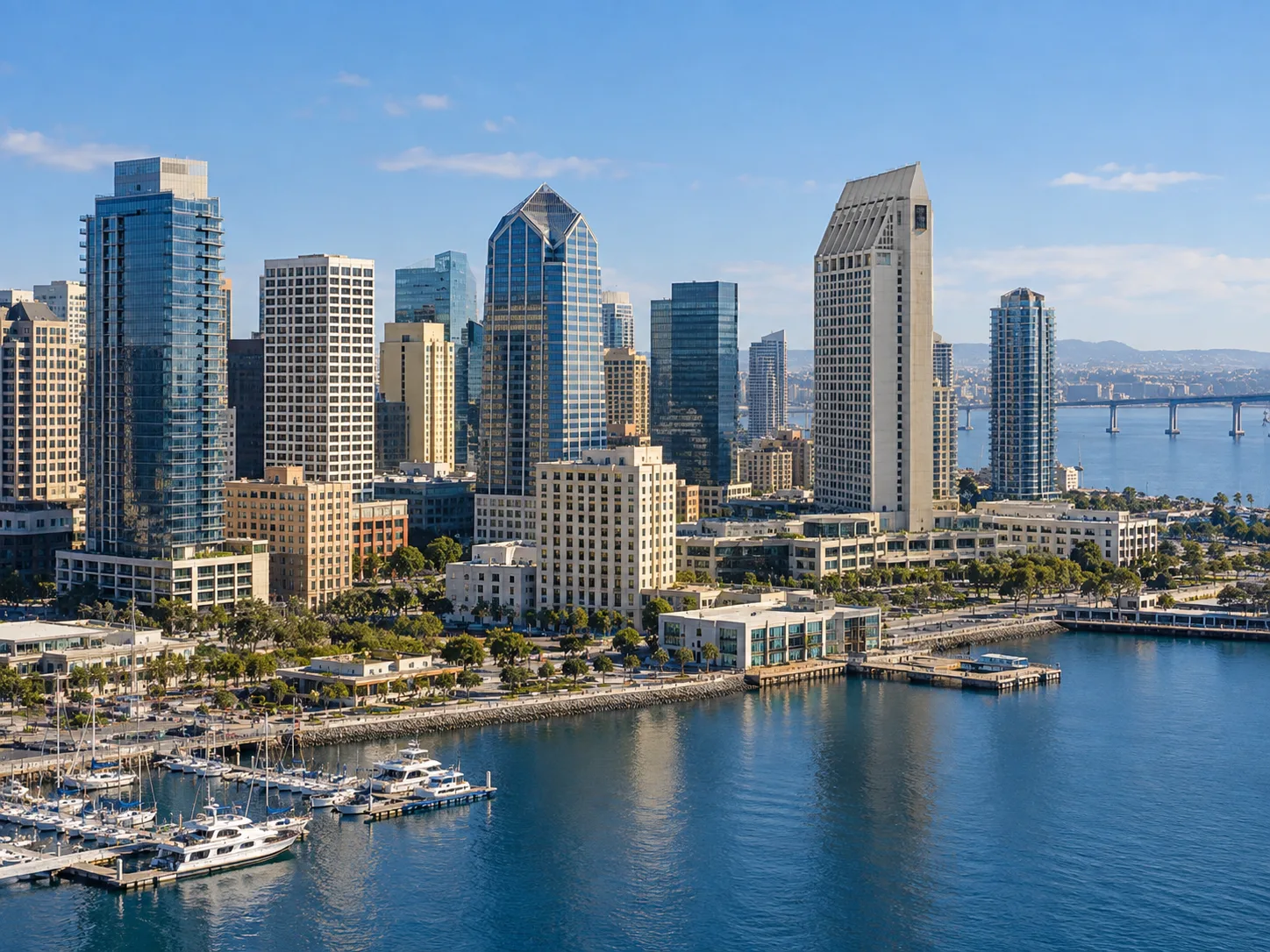
Pricing is diverging across downtown. Bayfront properties on the west side command premium rents and values. The Columbia District benefits from views and proximity to amenities. Older buildings in the Core Financial District on the east side face a tougher position. JLL managing director Richard Gonor said location creates different paths for repositioning and reuse. That gap means a downtown location alone no longer guarantees similar pricing across the office stock.
The Details
New owners are investing in common areas, elevator modernization and tenant amenities. Those upgrades are intended to capture demand and support higher rents. San Diego office sales are therefore bringing new capital plans into the CBD. The ownership shift is also adding investors with repositioning experience. Buyers are evaluating how each building can compete as tenants move toward better space. Gonor said new owners are buying location advantages and then investing selectively. The aim is to modernize buildings for current office users.
Adaptive Reuse Gains Importance
JLL expects downtown’s longer-term transformation to rely increasingly on adaptive reuse. Owners of obsolete offices may pursue residential, hospitality or mixed-use conversions. Westside buildings near Little Italy and the waterfront have several potential paths. Gonor said eastside assets require more creative strategies. He also said downtown’s broader ecosystem provides a demand base for repositioning. The same ownership turnover can therefore support several strategies. Some buildings may remain offices, while others could move toward entirely different uses.
Why It Matters
Flight-to-quality is pushing tenants toward premier Class A assets. That raises pressure on legacy buildings that cannot compete on location or amenities. Owners may need heavier capital programs or a new use. Fresh ownership gives downtown more investors willing to consider modernization and repositioning instead of simply holding older space. The pricing split also rewards assets with stronger views, amenities and access to Little Italy or the waterfront.
What’s Next
JLL expects tenant consolidation into higher-quality buildings to keep shaping downtown. Investment should remain focused on amenity upgrades in competitive assets. Obsolete buildings may move toward residential, hospitality or mixed-use strategies. The market’s next phase will depend on how new owners use each location’s advantages and reposition weaker properties.