



- Lyft, Uber, Waymo and Zoox have signed leases for nearly 1 million square feet of industrial space in 2026, versus 830,000 square feet combined from 2022 to 2025.
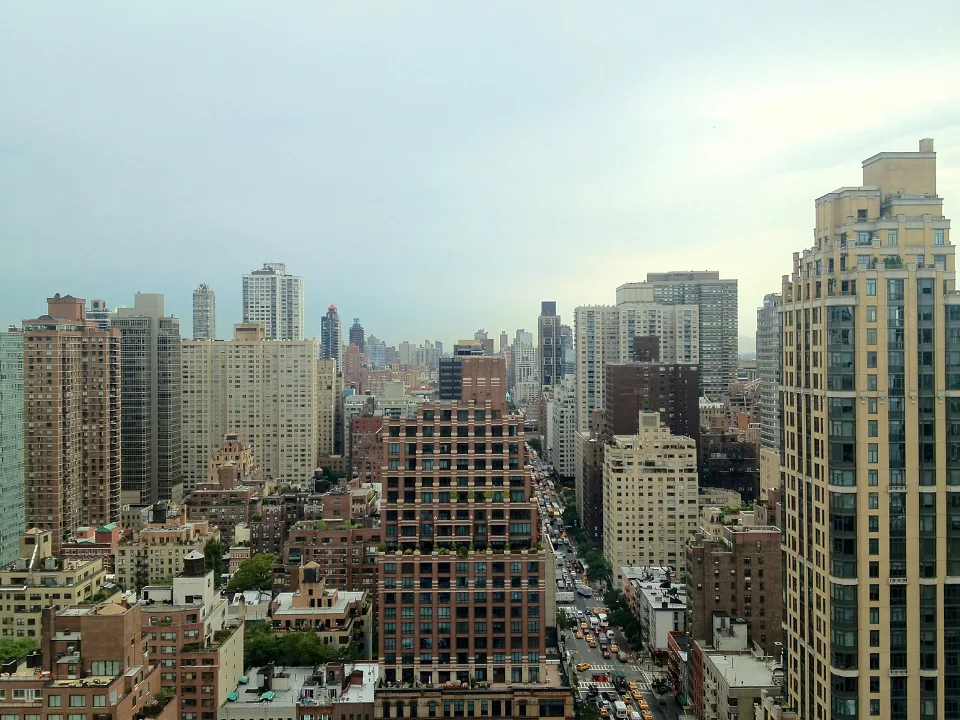
- In New York City, where the vehicles still can’t legally operate, the companies are hunting for 50,000- to 100,000-square-foot depots in Long Island City and the South Bronx.
- Fleet depots for storing, charging and repairing vehicles could become a real industrial demand driver, though power hookups and political opposition may slow the rollout.
Robotaxi companies have signed leases for nearly 1 million square feet of industrial space so far in 2026, according to Cushman & Wakefield data reported by Bisnow.
That already tops the 830,000 square feet that Lyft, Uber, Alphabet’s Waymo and Amazon’s Zoox leased combined from 2022 to 2025, and much of the new activity is happening in markets where robotaxis aren’t yet legal.
Get Smarter About What Matters in New York
Subscribe to our free newsletter covering the biggest commercial real estate stories across the five boroughs — delivered in just 5 minutes.
Leasing Ahead of the Law
Robotaxis were allowed to operate in 26 states as of June 2026, but the companies’ real estate deals haven’t stayed within those borders. Many are shopping for space without disclosing their identities, and none of the major players responded to Bisnow’s requests for comment.
Reed Vestal, CEO of Houston-based Junction Commercial Real Estate, called the doubling of activity in roughly nine months impactful. He predicted robotaxi demand could reach tens of millions of square feet over the next decade.
The Details
The facilities store, clean, charge and repair vehicle fleets. Lyft subsidiary FlexDrive began building an 80,000-square-foot depot in Nashville in April to support Waymo’s service there, and Uber secured a 50,000-square-foot depot and charging site in Houston in June, with operations slated for 2027.
Zoox signed a 34,000-square-foot lease in Hayward, Calif., in May for a vehicle staging hub near the 219,000-square-foot manufacturing space it opened in 2025, The Real Deal reported. In Washington, D.C., Waymo leased a 32,000-square-foot facility, one of three maintenance and charging sites it is developing in the city.
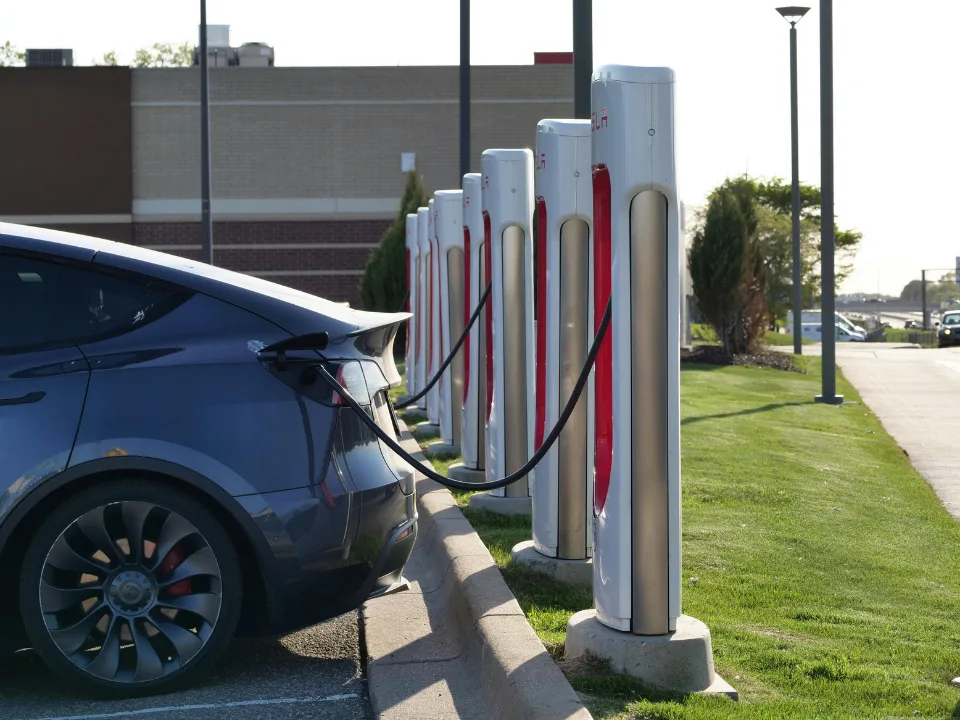
Tesla, meanwhile, is leaning on its existing national network of service centers and charging stations to get ahead of robotaxi demand, according to comments from Vice President of Engineering Lars Moravy on a January 2026 analyst call.
The New York Robotaxi Standoff
New York remains off-limits for now. Gov. Kathy Hochul withdrew a proposal to allow self-driving cars upstate after pushback from the People First Transportation Alliance, and Waymo’s city testing permit for Downtown Brooklyn and Lower Manhattan wasn’t renewed when it expired at the end of March.
That hasn’t stopped the search. Turnbridge Equities Managing Principal Ryan Nelson said demand from robotaxi and EV charging users has picked up across the city’s industrial properties, with companies typically seeking 50,000 to 100,000 square feet in areas like Long Island City and the South Bronx that can easily serve Manhattan.
The search overlaps with the parking- and yard-heavy sites that industrial outdoor storage investors already target.
Why It Matters
Power is the gating factor. Rosenberg & Estis’ Stephen Millington said leases, approvals, permits, construction and electrical infrastructure all take a long time, and Nelson said a ConEd hookup in New York can take years because the utility typically won’t provide that much power on spec.
Those are the same power and permitting hurdles slowing data centers. Vestal said companies may also stay quiet to keep landlords from raising asking rents once they learn the prospect is a deep-pocketed tech firm, and to avoid broader public backlash against tech.
What’s Next
D.C. Council Member Charles Allen introduced a bill in May that would allow a limited driverless test period, and labor and religious groups plan an Oct. 6 rally against it. Public trust is another hurdle: almost 60% of respondents in an April 2026 Gallup survey said roads are safer with a human driver.
Waymo has pushed ahead in D.C. regardless, telling Axios in July that it had committed tens of millions of dollars to service centers and charging facilities in Wards 5 and 7. It also says it will hire hundreds of workers, including former drivers, to clean and maintain vehicles.
On safety, Waymo cites its own research showing 95% fewer serious-injury crashes than human drivers, and an Insurance Institute for Highway Safety study found Waymos in San Francisco, Phoenix, Los Angeles and Austin were involved in 68% fewer accidents.
Nelson said robotaxi companies see their entry into markets like New York and D.C. as inevitable and are signing deals now to secure the best real estate before rivals do.