





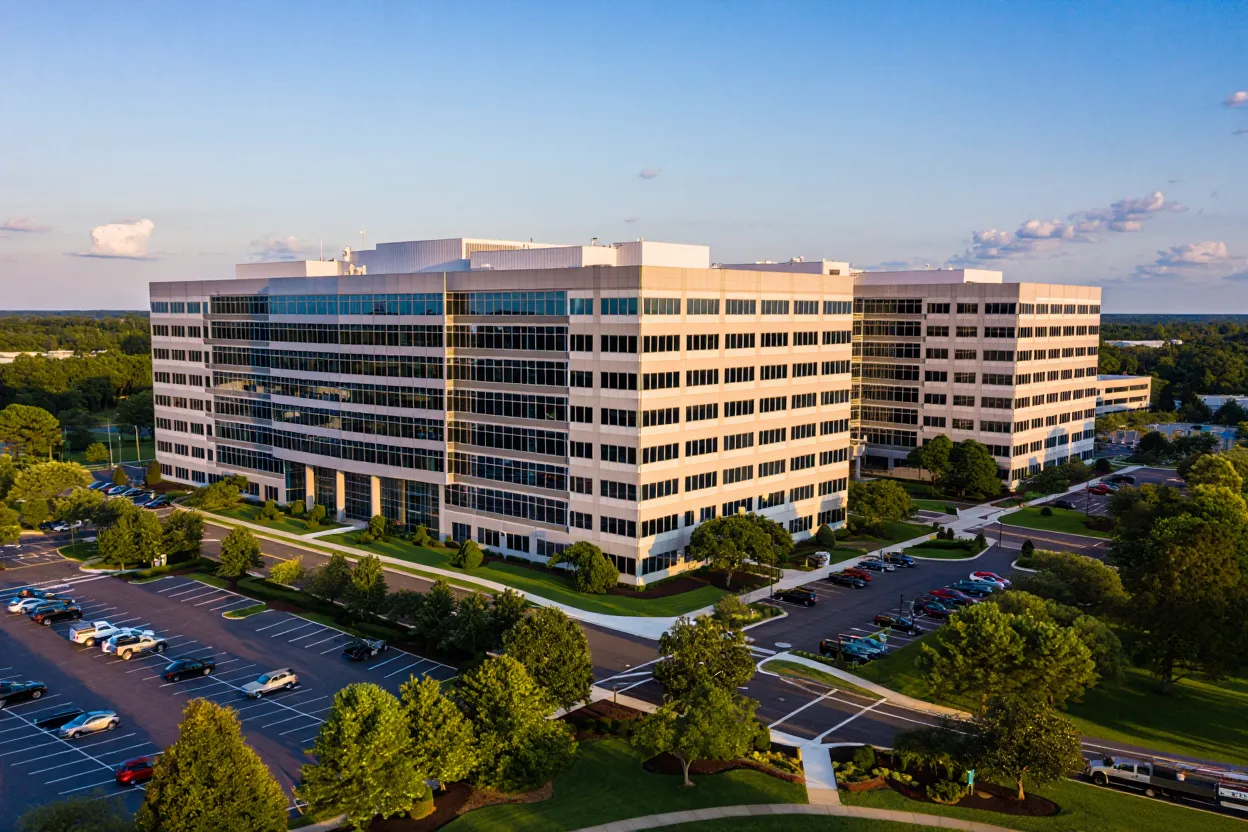
- Office Properties Income Trust emerged from Chapter 11 bankruptcy after reducing its debt by $714M.
- The REIT restructured its $1.7B balance sheet, issued 22M new shares, and installed a new board with major creditor representation.
- This marks a rare post-bankruptcy reset for office REITs as sector distress and deleveraging persist across the US market.
Leverage Pressures Force a Reset
Office Properties Income Trust (OPI), an office REIT managed by The RMR Group, exited bankruptcy on Wednesday after slicing $714M from its debt load, according to Bisnow. The move follows months of pressure from maturing debt and uncertain cash flow as remote work and rising rates battered the office sector. OPI’s restructuring story underscores the mounting strain for national office landlords: By October 2025, the company had warned investors about its going-concern status as leverage eclipsed safe levels and short-term liabilities piled up. OPI controls a 17M SF office portfolio nationally, including assets like the 358K SF tower at 1224 Hammond Drive in Atlanta, but struggled to service a debt stack that had passed $2.4B.
Get Smarter about what matters in CRE
Stay ahead of trends in commercial real estate with CRE Daily – the free newsletter delivering everything you need to start your day in just 5-minutes
The Details
As part of its restructuring, OPI reported a cleaner $1.7B balance sheet. It also amended its $425M revolving credit facility, which carries a 9.1% interest rate.
The company reinstated $300M in 9% senior secured notes due in March 2029. It also restored $177M in mortgage debt. The restructuring wiped out existing common stock and replaced it with about 22 million new shares. Pre-bankruptcy noteholders, including Helix Partners Management and Redwood Capital Management, now own most of them.
OPI’s new shares began trading on Nasdaq Thursday and fell 33%. The company kept The RMR Group as manager under new five-year contracts. It also appointed a new board with representatives from Helix, Jasper Lake, and Diamond Family Office. Meanwhile, OPI’s executive team stayed in place.
Office Sector Distress Reflects Broader Trends
OPI’s reset follows a wider trend among office REITs. Landlords continue to focus on liquidity and debt reduction as fundamentals remain weak.
National office vacancy reached about 19% in Q2 2026, according to Moody’s Analytics. Rising debt maturities continue to strain balance sheets. OPI issued new shares and gave creditors significant ownership. Similar restructurings have occurred in private portfolios but remain uncommon among public REITs.
The company also struggled to secure financing during bankruptcy. In January, it failed to obtain a $125M debtor-in-possession loan, according to The Wall Street Journal. OPI is now marketing 3M SF of assets for sale. It also plans more dispositions, including a 275K SF Virginia office under contract for $18M. Reducing leverage remains its main goal.
Why It Matters
OPI’s restructuring tests whether public office landlords can rebuild trust and liquidity by reducing debt and giving ownership to creditors. Several distressed office owners have already seen lenders and bondholders assume greater control through bankruptcy proceedings, signaling a broader shift in the sector.
Office distress remains widespread. US office values fell about 12% year-over-year in Q1 2026, according to Green Street. Public office REITs also trade at steep discounts to net asset value.
OPI executives and major creditors stressed the need for a stronger capital structure. They also see asset sales as key to recovery. The elimination of previous shareholder equity sends a clear message. Refinancing risks remain significant, and restructurings can shift value from shareholders to creditors.
Future asset sales should help repay debt and support operations. However, high interest rates and weak leasing demand still weigh on the sector.
The implications extend beyond OPI. Investors are watching whether creditor ownership and asset sales become more common. Analysts expect more office portfolios to face liquidity problems as maturities rise through 2027 and beyond.
What’s Next
With less debt and a new board, OPI plans to continue selling properties. Its Q1 2026 report shows it is marketing 31 assets totaling 3M SF.
The company aims to reduce leverage further and improve liquidity as debt matures. Success will depend on pricing and demand in markets with high vacancy.
If OPI stabilizes operations and closes meaningful sales, its strategy could become a model for peers. It could also serve as a warning for other distressed office REITs. Investors will closely watch the stock and assess whether creditor-led boards can deliver a durable recovery.