


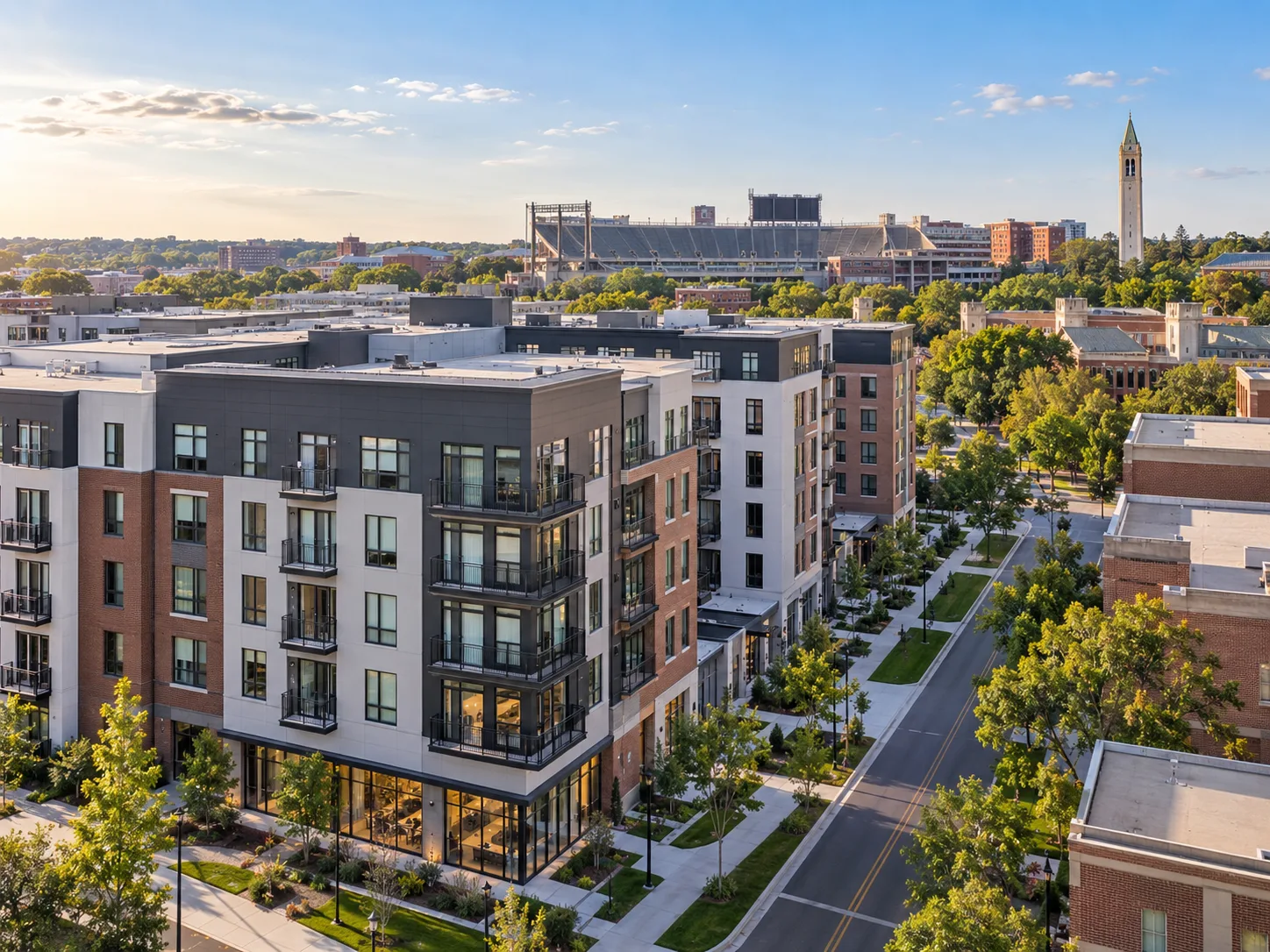

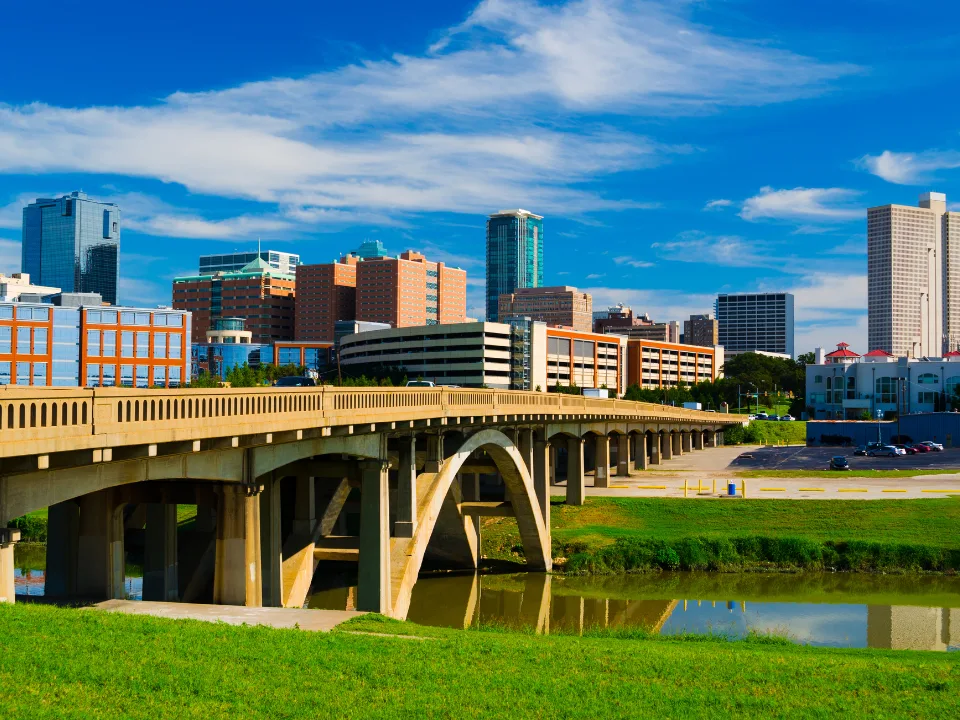
- Dallas-Fort Worth has become one of the nation’s fastest-growing CRE markets, with population gains and corporate relocations expanding investment opportunities across the metro.
- Industry leaders highlighted the need for stronger communication, accountability, and data-driven decisions as projects and business challenges become more complex.
- The region’s continued growth is increasing demand for adaptable leadership as investors look beyond traditional DFW submarkets.
DFW’s commercial real estate market has transformed dramatically over the past 15 years, forcing industry leaders to adjust how they approach investment, development, and operations. Executives discussed how the metro’s expansion has created new opportunities while requiring more adaptable leadership, according to Bisnow.
Get Smarter About What Matters in Texas
Subscribe to our free newsletter covering the biggest commercial real estate stories across Texas — delivered in just 5 minutes.
Dallas-Fort Worth has grown by nearly 40% since 2010, strengthening its position as one of the country’s top growth markets and attracting corporations, investors, and developers. The rise of “Y’all Street” has also elevated the region’s profile as a financial hub, supporting demand for office and mixed-use projects.
A market that keeps expanding
DFW’s growth has pushed once-secondary suburbs into the spotlight. Najdi Rafaty, founder of LiNC Commercial Realty, said areas such as Prosper, Celina, Melissa, and parts of Fort Worth that received limited investor attention 15 years ago are now among the markets national retailers and investors are actively pursuing.
That shift reflects how quickly the metro’s commercial real estate footprint has expanded beyond traditional hubs like Dallas, Plano, and Irving. Suburban growth has created new opportunities for developers, brokers, and capital providers willing to follow demographic and corporate migration patterns.
The details
The discussion at the event centered on how leadership styles have evolved alongside the market. Executives from companies including Kairoi Residential, Cresa, HOK, and Ridgemont Commercial Construction emphasized that success increasingly depends on managing uncertainty and aligning stakeholders.
Olivia Loudis, regional vice president of operations at Kairoi Residential, described the importance of having difficult conversations when market conditions change. She cited a situation involving a property owner struggling with debt obligations after expecting interest rates to decline. When financial pressure began affecting operations and vendor payments, Loudis said Kairoi pushed for a resolution that ultimately resulted in the property being sold.
Her takeaway: fewer deals are guaranteed wins in today’s environment, making accountability and transparency critical parts of CRE operations.
Leadership evolves with the market
As DFW matures, women are taking on larger roles across architecture, engineering, construction, investment, and operations. Rafaty noted that more women are leading companies and influencing decisions than they were 15 years ago, although she argued that representation at the highest levels still has room to improve.
Other executives focused on how to create alignment among investors, clients, and project stakeholders. Chelby Sanders, managing principal at Cresa, said successful projects require building a shared vision rather than forcing decisions on stakeholders.
Amber Wernick, director of interiors at HOK, highlighted the value of using measurable data to support recommendations. She said employee surveys and workplace utilization reports can help bridge the gap between design concepts and financially focused decision-makers.
Why it matters
DFW commercial real estate has become a national case study in how population growth and corporate migration can reshape an entire metro. According to the U.S. Census Bureau, the Dallas-Fort Worth-Arlington metropolitan area has been among the fastest-growing major metros in the country, reinforcing demand for housing, industrial space, offices, and mixed-use developments.
For CRE professionals, the market’s evolution shows that growth alone is not enough. Investors, operators, and developers increasingly need leaders who can manage competing priorities, communicate clearly, and adjust strategies as economic conditions shift.
The emphasis on relationships was another recurring theme among executives. Wernick said long-term industry relationships often create opportunities during downturns and help firms navigate changing market cycles.
What’s next
DFW’s expansion is expected to continue driving new investment into emerging suburban markets and established employment centers. As companies continue relocating and expanding across North Texas, CRE leaders will need to balance growth opportunities with tighter underwriting, operational discipline, and changing tenant expectations.
The next phase of Dallas-Fort Worth’s growth will likely depend less on simply adding projects and more on how effectively industry leaders adapt to a larger, more competitive market.