





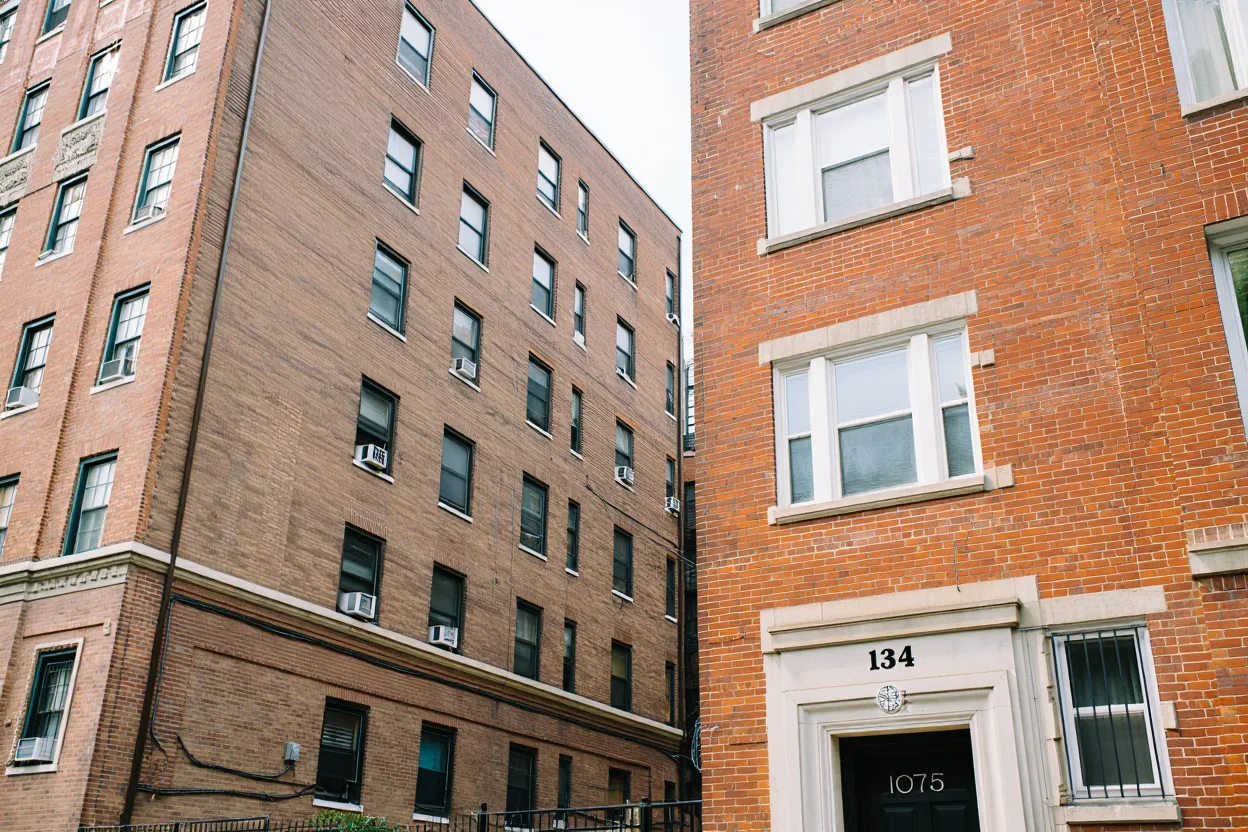
- New York Attorney General Letitia James filed the first lawsuits against two Brooklyn landlords for violating de facto rent stabilization rules.
- The lawsuits follow a statewide compliance push begun in May 2025, already halting 26 evictions and returning 91 units to stabilization.
- This legal action signals growing scrutiny and potential financial penalties for owners skirting rent registration and tenant protections in New York.
AG’s Crackdown Targets De Facto Regulation
New York’s attorney general is escalating enforcement against landlords dodging rent stabilization compliance, per The Real Deal’s coverage of the June 2026 filings. Attorney General Letitia James launched a proactive program in May 2025, targeting properties altered to six or more units and thus covered by the city’s 1974 rent stabilization law.
The first lawsuits have landed in Brooklyn, aimed at operators allegedly bypassing registration and protections for tenants. This campaign is viewed as an expansion of city oversight at a time when tenant displacement and affordable housing access remain politically charged issues.
Get Smarter About What Matters in New York
Subscribe to our free newsletter covering the biggest commercial real estate stories across the five boroughs — delivered in just 5 minutes.
The Details
The lawsuits accuse John Anderson of 1075 Dean Street and Claudette Henry of 134 Sackman Street of failing to register rent-stabilized buildings and harassing tenants. Anderson, notified in 2016 his building was stabilized, allegedly withheld leases and used a stand-in for legal proceedings. One tenant reported utility shutoffs after requesting her lease.
Meanwhile, Henry allegedly bought 134 Sackman Street in 2004 but never registered it for stabilization and attempted illegal evictions. The AG’s office demands restitution for overcharged tenants—with nine percent interest—along with civil penalties ranging from $2,000 to $10,000 per harassed occupant and $500 per unit for every month unregistered with state agencies.
Regulatory Enforcement Goes Local
The AG’s campaign intensifies after more than 50 landlords citywide received 2025 compliance letters for suspected de facto rent-stabilized buildings. Many owners faced choices: prove exemption, register, or risk legal action. Since the crackdown began, authorities have reportedly halted 26 evictions and restored 91 units to regulated status. The Brooklyn lawsuits are the first formal cases, signaling a shift from warnings to court-enforced compliance, and underscoring city officials’ willingness to leverage legal tools to protect tenants amid public pressure on affordability.
Why It Matters
This wave of enforcement matters for the city’s rent-regulated multifamily investors. The AG targets under-the-radar buildings upgraded to six or more units. Owners often used this postwar practice to raise rents. By enforcing a 1974 law, regulators are closing loopholes and pushing owners to register units and protect tenants. The tougher stance follows recent efforts to strengthen oversight of building maintenance and owner compliance across New York.
Financial risks for non-compliant owners continue to rise. Civil penalties can add up quickly. Owners face fines of $2,000 to $10,000 for each harassed tenant. They also owe $500 per unregistered unit each month. Restitution includes overcharges plus nine percent interest, according to legal filings. The AG’s May 2025 update said the program prevented 26 evictions and restored 91 stabilized units. The message is clear. Rent law compliance faces greater scrutiny, and enforcement is shifting from paperwork to courtrooms.
What’s Next
The Brooklyn lawsuits may be just the first in a series, as more investigations progress. With over 50 letters already sent to owners of de facto stabilized properties across New York City, the AG’s office has indicated that further litigation is possible if landlords do not comply. For multifamily operators, now is the time to review registrations and lease documentation, as continued city enforcement could result in further court actions, broader tenant claims, and mounting financial liabilities tied to rent law compliance.