



- Transaction volume for single-tenant, triple-net retail rose 18% through Q3 2025, according to Marcus & Millichap.
- Fast-casual and quick-service restaurant properties are leading demand, offering investors reliable income with minimal management.
- Tax policy changes and Sun Belt market growth are fueling strategic shifts away from hands-on assets toward NNN-leased restaurants.
New Priorities Shape CRE Portfolios
Private real estate investors are reshaping their strategies as market conditions evolve. Single-tenant NNN-leased restaurant properties are drawing more attention. According to Commercial Property Executive, transaction volume in this sector rose 18% year over year through Q3 2025, citing Marcus & Millichap. These assets offer operational simplicity and steady income. Tenants usually cover taxes, insurance, and maintenance through long-term triple-net leases.
Meanwhile, investors are reallocating capital based on geography, taxes, and management needs. Many now favor everyday-needs brands while balancing risk and long-term goals.
Get Smarter about what matters in CRE
Stay ahead of trends in commercial real estate with CRE Daily – the free newsletter delivering everything you need to start your day in just 5-minutes
The Details
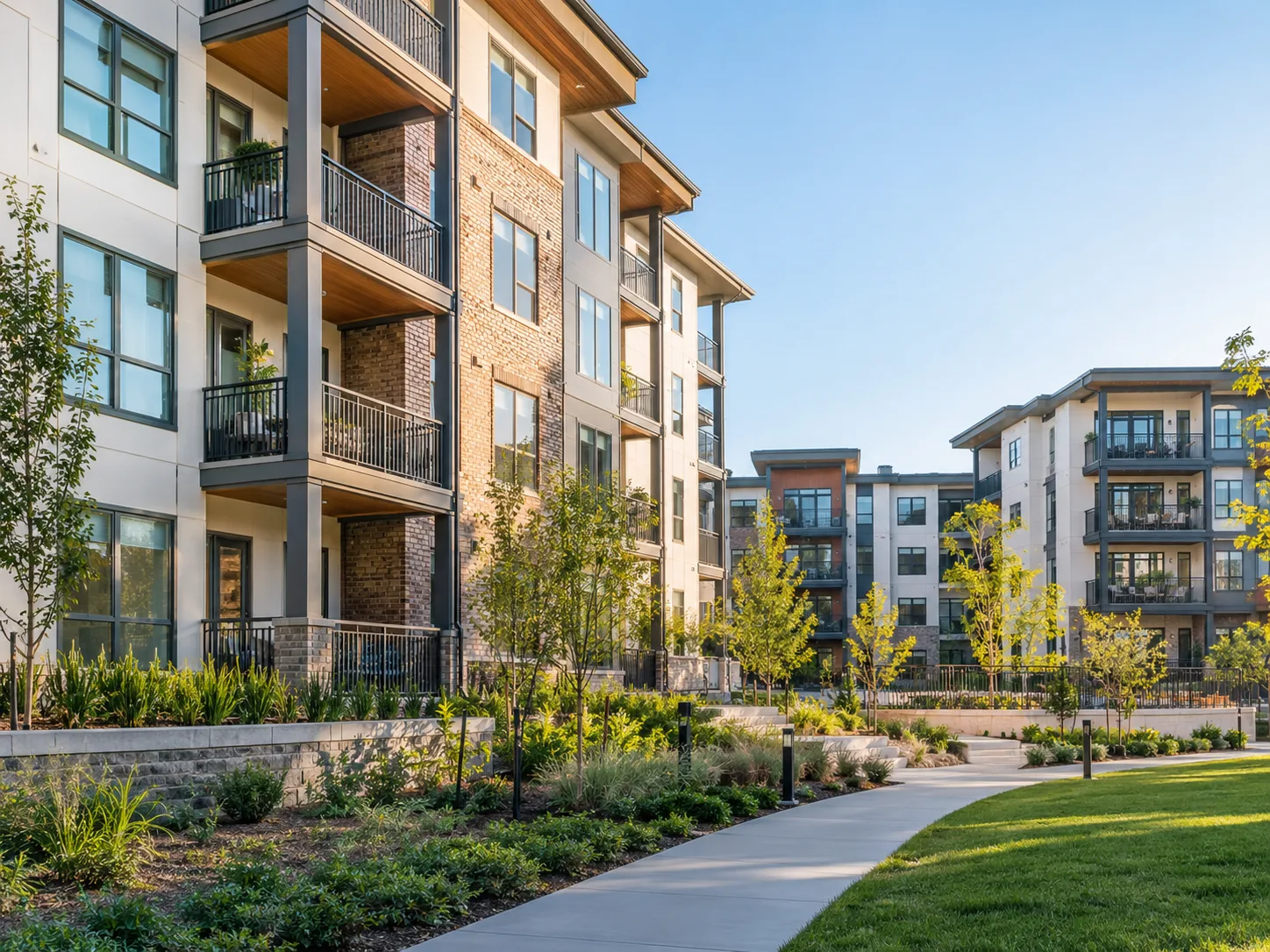
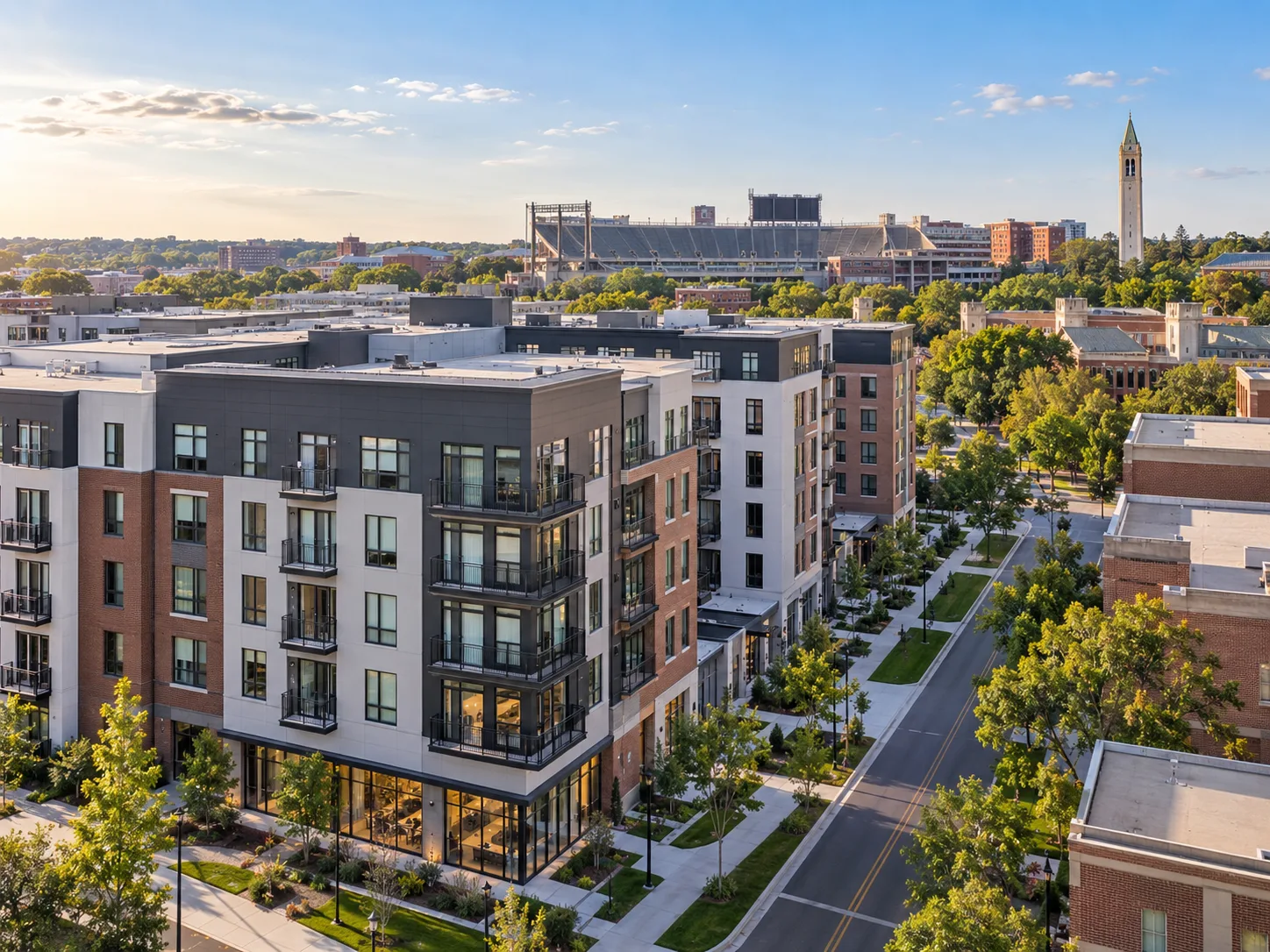
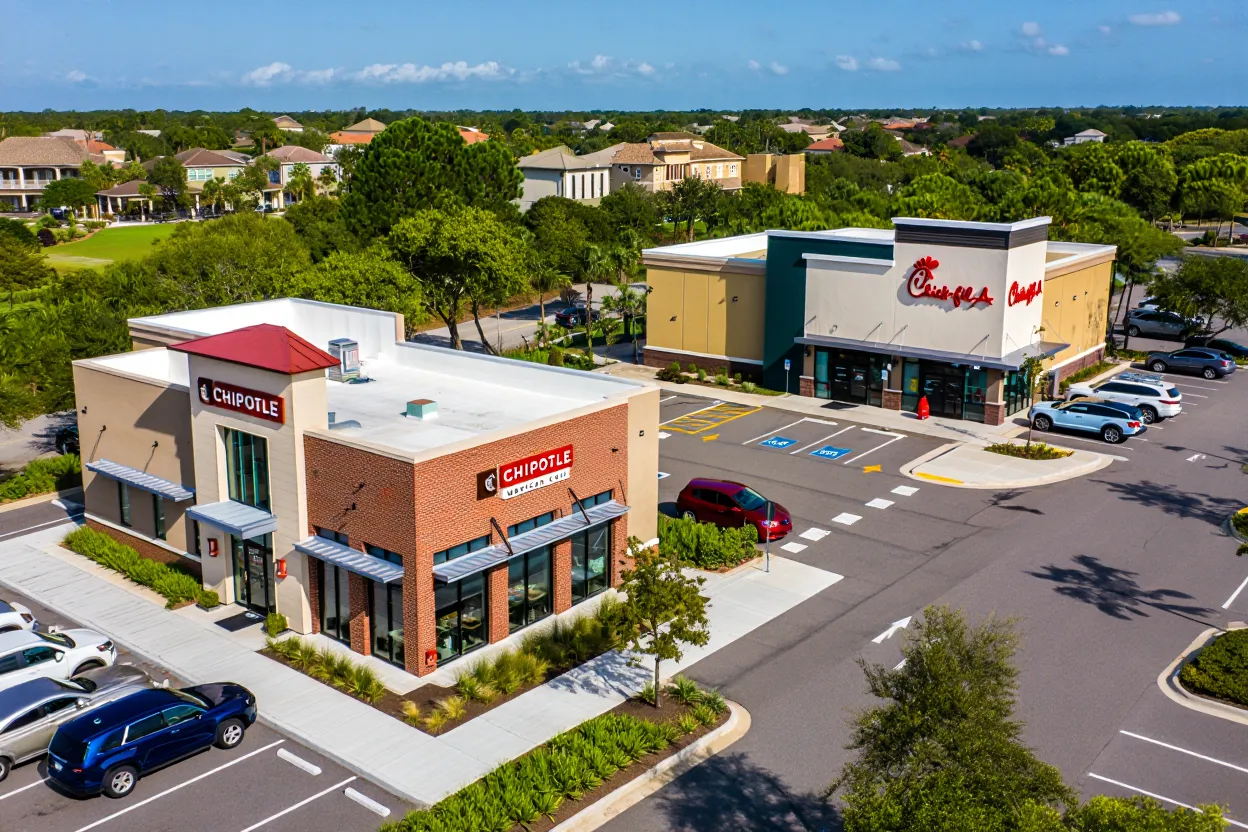
Buyers are targeting established national restaurant brands, especially fast-casual and quick-service operators. One private investor sold a 24-unit multifamily property in Redwood City, California, for $9.3M. The investor then completed a 1031 exchange into newly built Chipotle Mexican Grill and Chick-fil-A properties. The locations sit in Tampa Bay and Austin.
Developers built both properties for credit tenants under long-term leases. They generated immediate, stabilized cash flow. Investors also gain geographic diversification by moving capital from California into growing Sun Belt markets. At the same time, NNN leases greatly reduce day-to-day management responsibilities.
Tax Strategy Fuels Asset Migration
Tax efficiency continues driving NNN restaurant transactions. Many private investors with significant gains seek assets that appreciate while reducing tax exposure. Net-lease restaurant properties offer accelerated depreciation, cost segregation, and 1031 exchanges. Those tools let investors defer capital gains taxes while reinvesting proceeds.
Recent policy changes have strengthened the appeal. The return of 100% bonus depreciation adds another incentive. Texas and Florida also attract investors with favorable tax policies and strong population growth. Consequently, many long-time owners are replacing legacy family holdings with easier-to-manage properties.
Investor Migration and a Changing Restaurant Market
Net-leased restaurants now play a larger role in portfolio rebalancing. Aging investors and passive-income seekers increasingly favor stabilized properties leased to national credit tenants. Texas and Florida continue attracting capital because of population growth, business-friendly policies, and favorable tax environments. Strong restaurant expansion has also reinforced demand for well-located retail sites in major markets, supporting investor confidence in this property type.
This shift reflects a broader move away from management-intensive multifamily and coastal legacy assets. Marcus & Millichap and Levin Johnston report that many apartment investors now use 1031 exchanges and bonus depreciation. They simplify portfolios while improving risk-adjusted returns through stronger tenants and lease structures.
Why It Matters
The net-lease restaurant sector reflects a lasting shift in investor behavior. Single-tenant net-lease retail transactions increased 18% through the first three quarters of 2025. NNN-leased restaurants have gained momentum because they combine stable income with efficient yields.
These properties require minimal landlord involvement because tenants handle taxes, insurance, and repairs. That reduces owner responsibilities while supporting estate and succession planning. Investors also benefit from consistent cash flow during uncertain market conditions.
Favorable tax policies, including restored 100% bonus depreciation and 1031 exchanges, continue encouraging capital shifts. Many investors are leaving hands-on multifamily and local retail properties for NNN restaurant assets in the Sun Belt. Marcus & Millichap also points to population and capital migration from coastal markets. That trend keeps fueling demand for stabilized restaurant portfolios backed by national brands.
For CRE portfolio managers, NNN restaurants support long-term planning. The strategy emphasizes risk-adjusted returns and low management demands over cap rate compression.
What’s Next
The NNN restaurant market should remain active while Sun Belt population growth and favorable tax policies continue. Cap rate spreads could narrow if investor demand stays strong. However, prime markets and top tenants should maintain pricing strength.
Stable or lower interest rates could boost transaction activity further. More owners may exchange legacy assets through 1031 transactions. Brokers also expect restaurant operators to keep partnering with preferred developers. That pipeline should create more stabilized, branded assets for investors seeking passive income and tax advantages.