



- New York’s legislature passed a one-year moratorium bill on large data center permits now awaiting Gov. Hochul’s signature.
- The state has over $10B in data center projects planned, but only one is under construction as most await approvals.
- Debate centers on balancing AI growth, energy demand, and environmental impacts versus potential economic slowdown.
Moratorium Arrives Amid a Data Center Boom
New York’s push into high-tech infrastructure faces a key test. Bisnow reports lawmakers approved a bill pausing permits for large data centers for at least a year. The Responsible Data Center Development Act now awaits Gov. Kathy Hochul’s decision. It puts dozens of projects worth $10B at risk. The proposal follows major investments in AI, chipmaking, and supercomputing. New York hopes to become a global chipmaking hub. However, concerns over energy use and environmental impacts continue to grow. Lawmakers now question how quickly the sector should expand.
Get Smarter About What Matters in New York
Subscribe to our free newsletter covering the biggest commercial real estate stories across the five boroughs — delivered in just 5 minutes.
Building Tensions Over Energy and Zoning
Data centers have become flashpoints in communities facing higher power costs and water concerns. The moratorium marks a national policy shift toward local oversight. Under Hochul, New York backed major tech projects. The state approved the 2022 Green CHIPS law, offering up to $10B for semiconductor projects. It also launched a $10B nanotech partnership in 2023. These incentives attracted hyperscale and enterprise developers. However, they also fueled activism as costs and resource competition grew.
Downstate New York has North America’s second-highest commercial power rates at 14 cents per kilowatt-hour. Residents fear dozens of facilities above 20 MW could push rates higher. They also worry about grid strain and limited local benefits. As a result, lawmakers from both parties want to pause large projects. They aim to balance growth with stronger oversight.
The Details
The moratorium would halt permits for new data centers larger than 20 MW. It would create new electric and water rate classes. Developers would also need community benefit agreements. Facilities above 5 MW would face tougher efficiency rules and prevailing wage mandates. Each project would also require a local public hearing. Meanwhile, the state would study cumulative impacts on energy, water, pollution, and e-waste.
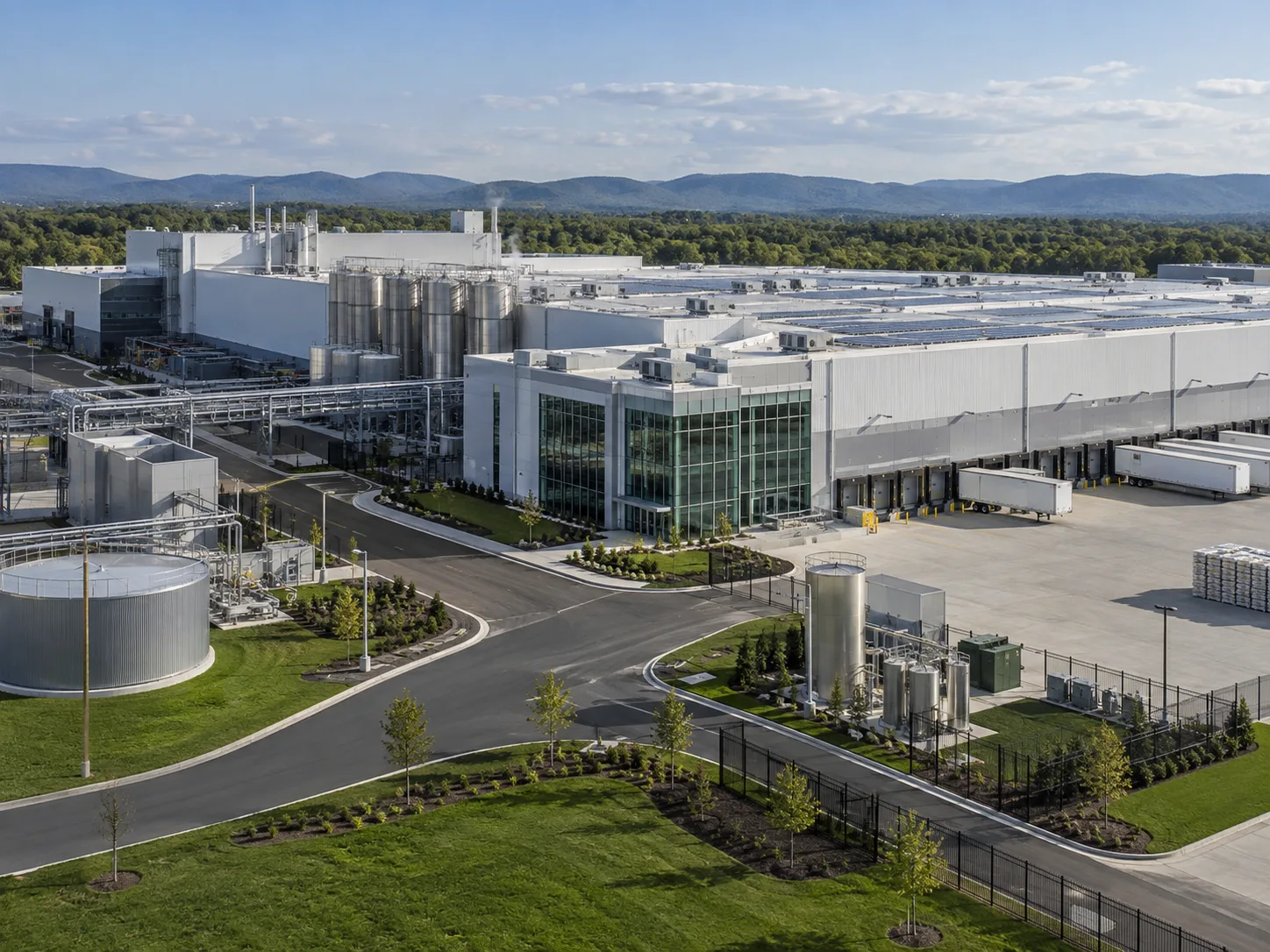
The proposal affects several major projects. These include the 500 MW STAMP campus in Genesee County. It also includes a planned 300 MW project in Onondaga County. Another target is TeraWulf’s Cayuga redevelopment, which could expand from 138 MW to 400 MW. Nearly all 51 projects in NYISO’s interconnection queue still await approval. Since 2019, NYISO has connected 106 projects totaling 14 GW. However, demand forecasts through 2030 show a sharp increase driven mainly by data centers.
AI Growth Fuels a Policy Crossroads
New York’s AI ambitions depend heavily on its data center pipeline. Projects like STAMP plan to use hydroelectric power from Niagara Falls. Cayuga also plans dedicated solar and battery systems. This approach differs from markets that focus mainly on lower costs. JLL expects renewables to supply 70% of the state’s electricity by late 2025. Recent data center investments support that goal. Still, local officials and environmental groups question whether efficiency gains can offset growing demand. Similar debates have emerged in at least 14 states as communities push back against large facilities.
National events highlight the stakes. In June 2026, the Department of Justice defended a Tennessee project over military concerns. Competition with China and Russia has also raised the importance of data center policy. Developers now face growing scrutiny over cooling, power use, and resource demands. This challenge persists even as operators adopt closed-loop systems and direct utility agreements.
Why It Matters
The moratorium presents a difficult choice for investors and policymakers. One side sees a $10B pipeline with jobs, tax revenue, and technology gains. The other worries about grid reliability, higher bills, and quality-of-life impacts. NYISO expects 12,670 MW of new load requests by 2030. That figure exceeds twice New York City’s current demand. Most projects still lack regulatory approval.
New York’s decision could influence other states. Officials in Michigan, Virginia, and Arkansas are watching closely. JLL’s Jason Bell calls data centers the “plumbing” of today’s tech economy. He argues that slowing development could hurt digital and manufacturing growth. At the same time, public opposition has already unseated elected officials. That trend shows how politically difficult data infrastructure has become. The outcome may shape future AI investment and national security policy.
What’s Next
Gov. Hochul must sign or veto the moratorium by year-end. Her administration has not signaled a decision. Developers warn the measure could deter investment. Meanwhile, residents and local leaders want tighter controls. State agencies are preparing a broad impact study. Its findings could shape permitting rules for years.
If enacted, the law would immediately stop permit approvals. It could delay or derail much of the $10B pipeline. Industry leaders are now watching Albany closely. A single signature could set a national precedent.