



- New York’s state budget includes a pied-à-terre tax on nonprimary residences in New York City valued at $1M or more, with implementation beginning July 1.
- The tax imposes steep temporary rates during its first two years before transitioning to a market-based valuation system and lower tax rates beginning in the 2028–2029 tax year.
- Industry participants warn the measure could weigh on luxury condo demand, while supporters view it as a new revenue source for housing affordability initiatives.
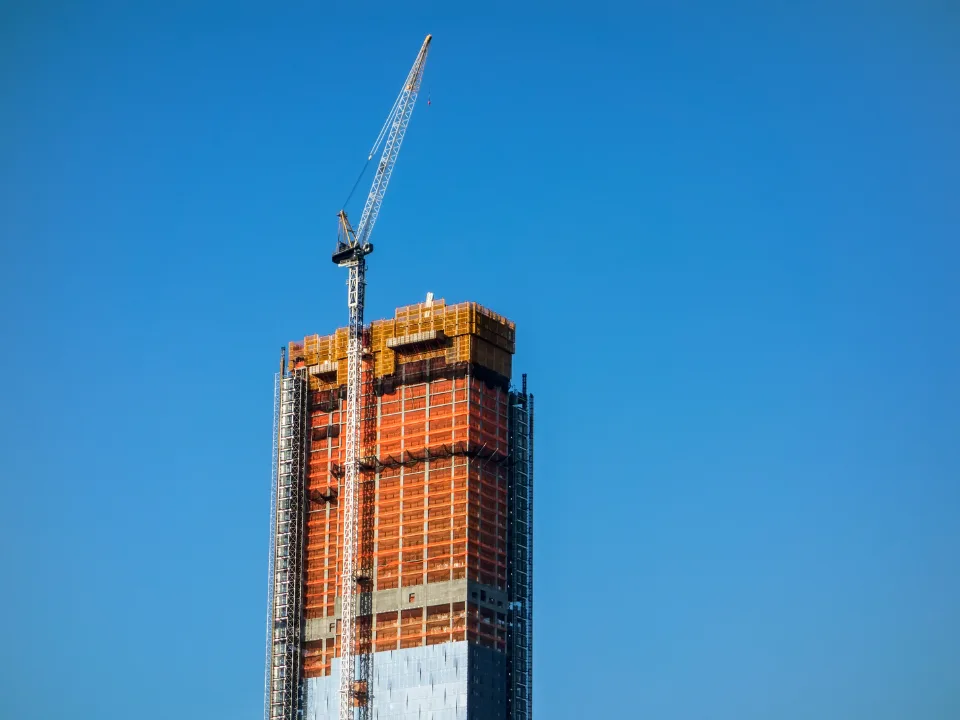
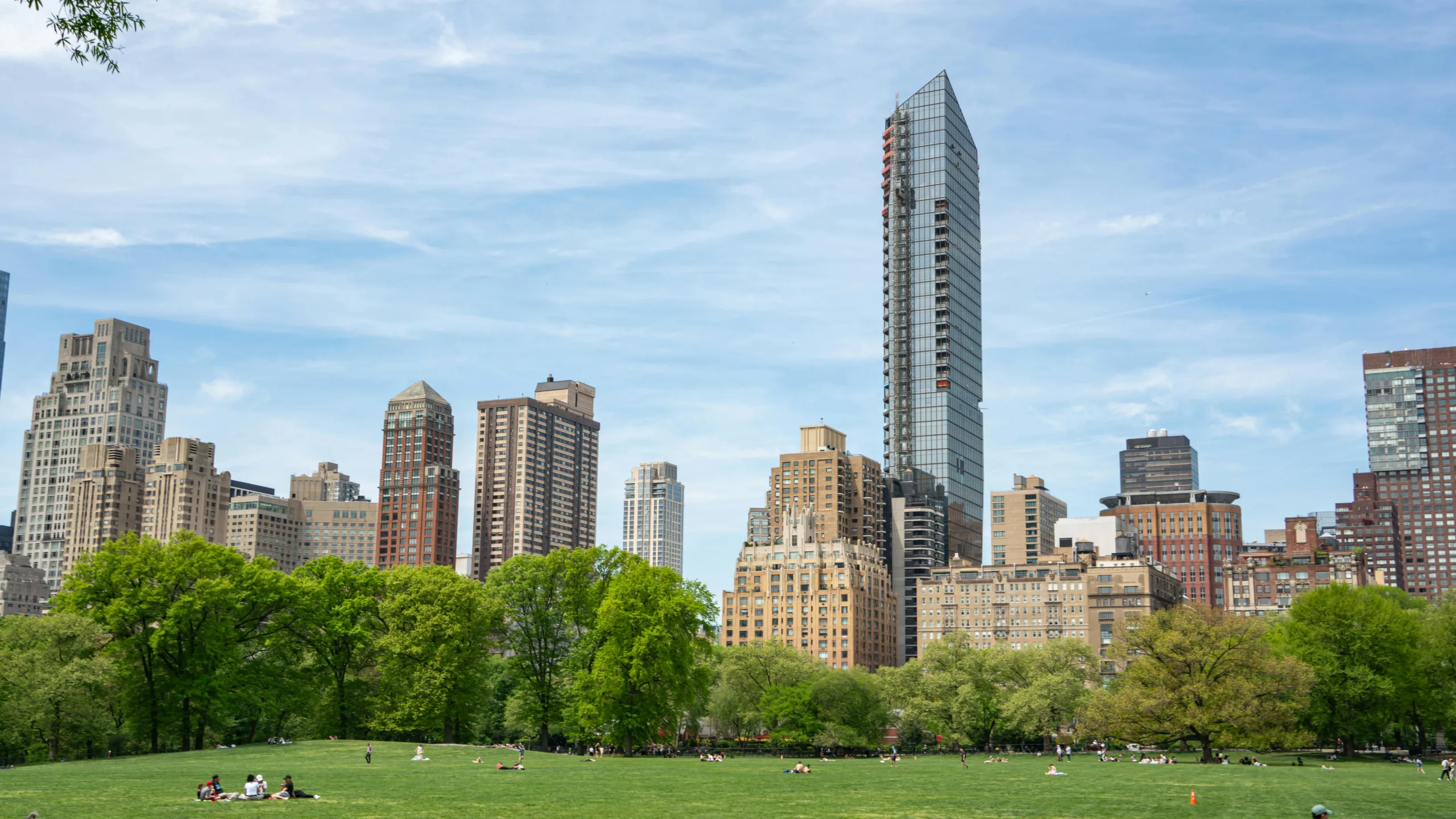
The WSJ reports that New York has officially adopted a long-debated pied-à-terre tax, creating a new levy on luxury second homes across New York City. The measure, championed by Mayor Zohran Mamdani and approved as part of the state budget, targets nonprimary residences valued at $1M or more. According to CNBC, the tax is projected to generate up to $500M annually for the city and state.
Get Smarter about what matters in CRE
Stay ahead of trends in commercial real estate with CRE Daily – the free newsletter delivering everything you need to start your day in just 5-minutes
A Policy Years in the Making
The idea of taxing luxury second homes has circulated in New York politics for years as policymakers searched for new revenue sources tied to high-value real estate. Supporters argue that affluent owners who use Manhattan condos and co-ops as secondary residences benefit from city services while contributing less than full-time residents. The proposal gained momentum as affordability and housing costs became central political issues in New York.
The Details
The tax applies to nonprimary residences assessed at $1M or higher by New York City’s Department of Finance. For the 2026–2027 and 2027–2028 tax years, properties valued between $1M and $3M will face a 4% annual levy.
Homes valued between $3M and $5M will be taxed at 5.25%, while properties above $5M will face a 6.5% rate. Beginning in the 2028–2029 tax year, the city plans to move toward a valuation framework based on comparable market sales.
Under that updated system, properties valued between $5M and $15M will face a 0.8% tax rate. Homes worth between $15M and $25M will be taxed at 1.05%, while residences exceeding $25M will face a 1.3% levy.
Luxury Housing Faces a New Cost Burden
The tax quickly became a flashpoint within New York’s luxury residential market. CNBC highlighted Citadel founder Ken Griffin as one of the most vocal opponents after Mamdani publicly promoted the proposal outside Griffin’s Manhattan penthouse.
Griffin purchased a 24,000-SF penthouse at 220 Central Park South for $238M in 2019, though government records reportedly value the property at $15.5M for tax purposes. The debate also comes as federal policymakers weigh new residency incentives aimed at attracting wealthy foreign investors. According to CNBC’s calculations, Griffin’s annual property tax obligation on the residence could increase from roughly $858,000 to approximately $1.87M during the initial phase and approach $4M once the revised valuation framework takes effect.
The billionaire also owns two apartments at 740 Park Ave. purchased for a combined $83M. CNBC reported that taxes on those properties could exceed $1M annually beginning in 2028, pushing his total Manhattan property tax burden above $5M per year.
Why It Matters
The pied-à-terre tax represents one of the most significant policy shifts affecting New York City’s luxury residential sector in years. While the projected $500M annual revenue stream could support affordability initiatives, the measure also introduces a new carrying cost for investors, international buyers, and part-time residents.
For developers and brokers operating in the luxury condo market, the policy adds another variable at a time when buyers are already scrutinizing taxes, common charges, and ownership costs more closely. High-end residential demand has remained relatively resilient, but substantial tax increases could influence future purchase decisions and pricing strategies.
What’s Next
The tax takes effect July 1, with the first phase applying through the 2027–2028 tax year. Market participants will closely watch whether luxury sales activity slows, particularly among nonresident buyers and investors.
Attention will also shift to the city’s planned transition toward market-based valuations in 2028–2029. That change will determine how broadly the tax affects New York’s luxury housing stock and whether projected revenue targets materialize. For now, owners of high-value second homes are preparing for substantially higher tax bills, and the luxury residential market is assessing the potential fallout.
.