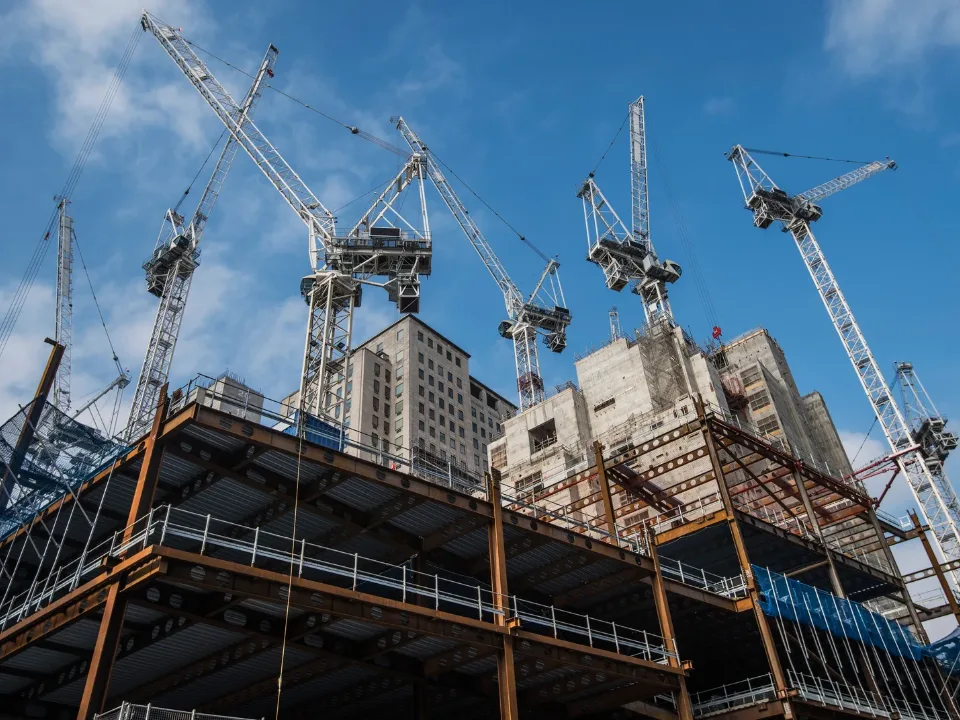








- Starts in buildings with five or more units fell to a 349,000 annual rate in September, 7.2% below August and 25.9% below a year earlier, per HUD and Census data.
- Permits rose 5.9% month over month to 503,000, but a Leaselock economist says developers still question whether projects will get financed and actually break ground.
- Construction input prices rose 11.2% year over year, and only the South posted higher starts, so cost and regional splits will shape where new apartment supply shows up.
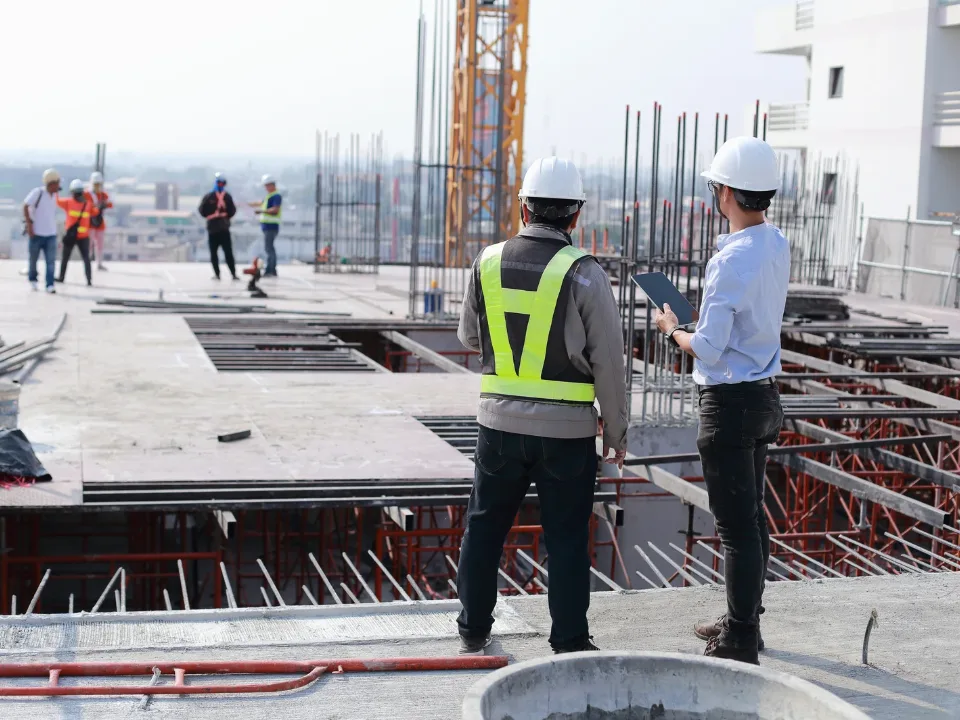
Developers broke ground on far fewer apartments in September. Multifamily starts declined both month over month and year over year, Multifamily Dive reports, citing HUD and Census Bureau figures.
The seasonally adjusted pace for buildings of five-plus units was 349,000. That is 7.2% below August and 25.9% below September 2025.
Get Smarter about what matters in CRE
Stay ahead of trends in commercial real estate with CRE Daily – the free newsletter delivering everything you need to start your day in just 5-minutes
Permits Up, Completions Mixed
Permits ran the other way. They rose 5.9% from August to 503,000 and edged 1% above last year. Completions leapt 14.9% on the month to 339,000 but trail last September by 20.4%.
For all housing types combined, the starts pace was about 1.2 million. That is 5.2% under August and 7.4% under a year ago.
Permits Aren’t Shovels
Leaselock chief economist Greg Willett said developers describe sites that could start tomorrow. What’s missing is the money.
Improving rent growth would usually trigger more starts, he said. Interest rates are pulling the opposite way.
The South Stands Alone
Only the South gained, with starts up 11% from last year. The Northeast sank 30.9%, the West 25.4% and the Midwest 19.4%.
Costs add pressure. Input prices climbed 2.2% in September and 11.2% over a year, the biggest annual rise in nearly four years, per Associated Builders and Contractors. Fuel and tariffs drove much of it, and the group found metals jumped too.
Why It Matters
Thin starts today mean fewer deliveries in a couple of years, which helps existing owners. Higher costs also make each project harder to underwrite, consistent with JLL’s view that construction costs will keep rising.
Associated General Contractors economist Ken Simonson added that delivery times for key steel parts have stretched, making schedules harder to hold.
What’s Next
Watch whether permits turn into starts. That depends on financing and on whether recent rent improvement can cover costs that keep climbing.