






- US housing starts dropped 15.4% in May 2026 to 1.18M units amid a sharp multifamily slowdown.
- Single-family starts fell nearly 2%, while multifamily sank over 40% to a 295,000 annualized rate.
- Persistently high rates, affordability challenges, and labor shortages continue to dampen new construction momentum.
Multifamily Construction Slows After Pandemic Surge
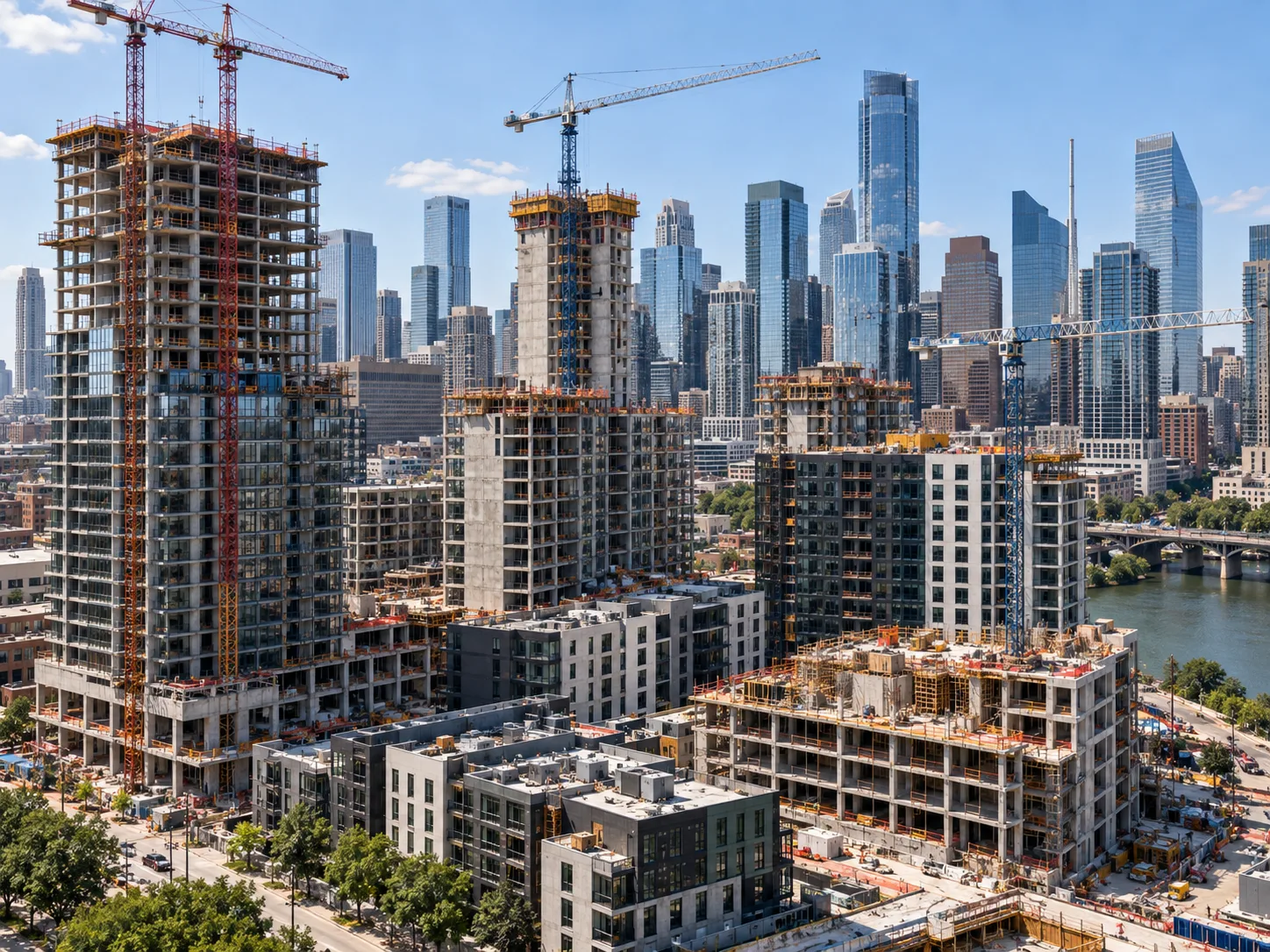
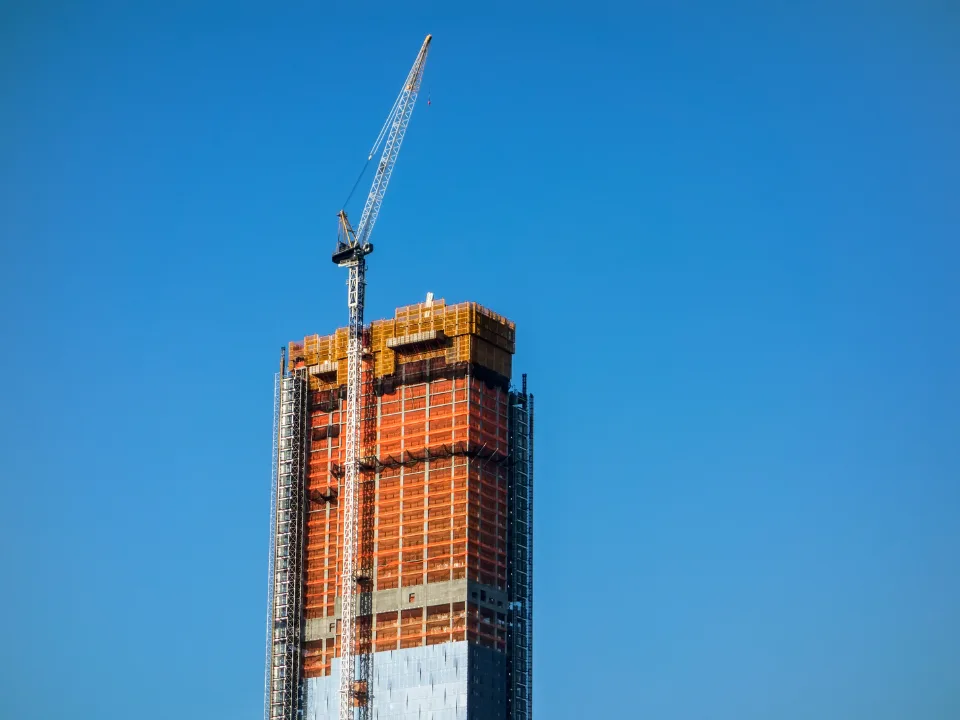
The US housing construction pipeline hit a major speed bump in May as new housing starts declined at the steepest monthly pace in over three years, according to the National Association of Home Builders (NAHB) and US Census Bureau data. For much of the post-pandemic period, multifamily led new supply and propped up overall housing metrics even as the single-family market struggled with tighter credit and cost pressures. NAHB’s June builder sentiment survey shows confidence eroding, reflecting that the pullback in starts is not an isolated data point, but the latest signal that builders are taking a more defensive posture into the second half of 2026.
Get Smarter about what matters in CRE
Stay ahead of trends in commercial real estate with CRE Daily – the free newsletter delivering everything you need to start your day in just 5-minutes
The Details
The May 2026 report shows housing starts fell 15.4% month-over-month to 1.18M annualized units. Single-family starts slipped 1.9% to 882,000 and fell nearly 7% from May 2025. Multifamily starts plunged 40.2% to a 295,000-unit pace, down 14.2% year-over-year. That marks one of the sector’s sharpest contractions since the financial crisis.
Regionally, starts rose 17.5% in the Northeast. However, they fell 1.6% to 4.9% across the Midwest, South, and West. On permits, single-family activity gained 0.6%, while multifamily permits fell 2.8%.
Permitting Data Signals Uneven Builder Confidence
May permitting data reinforced the drop in starts. It also offered little confidence in a near-term rebound. Total permits slipped to 1.41M units, as single-family edged higher and multifamily fell nearly 3% from April.
Year-over-year, single-family permits remain 1.8% lower. Multifamily permits are up just 2.5%. Meanwhile, single-family homes under construction now total 587,000 units, down 5.9% from last year. The Northeast outperformed in starts and permits. However, the Midwest, South, and West all posted modest to moderate declines, per NAHB.
Why It Matters
For CRE professionals, the sharp multifamily pullback marks a clear shift from the recent boom cycle. NAHB chairman Bill Owens said elevated mortgage rates, affordability issues, and labor shortages continue to weaken demand. That pressure remains despite broad incentives and price cuts.
In multifamily, the 40% monthly drop signals a broader pause from developers. Many are digesting heavy recent deliveries and higher project costs. According to NAHB’s Jing Fu, single-family builders are also delaying new projects. That caution appears strongest outside the more resilient Northeast.
The May data also sharpens the national housing shortage debate. Construction has trailed household formation for years. However, high borrowing costs and regulatory barriers continue to limit new supply. Recent multifamily vacancy pressure also suggests 2026 could bring softer demand in oversupplied rental markets.
The market now appears to be entering a supply-rationing phase. That could support rent growth for existing assets. However, it may worsen affordability pressures for renters and buyers. Overall, builders remain in wait-and-see mode. A V-shaped rebound looks unlikely while macro headwinds persist.
What’s Next
Builders will likely stay cautious through summer. A rapid rebound looks unlikely without rate cuts or material cost relief. NAHB’s June builder survey shows continued pessimism about future demand. That reflects ongoing hesitation around new projects.
CRE professionals should watch permit trends in the coming months. Further declines would signal a thinner pipeline heading into 2027. Given current permit levels, tighter supply conditions may persist. That could intensify affordability debates and reshape leasing dynamics across US housing markets.