






- Bisnow reported a Lone Star Funds, Grove Real Estate Partners, and TMG Partners JV acquired 2.2M SF across 50 R&D buildings.
- Bisnow reported the six-campus portfolio spans 140 acres, while The Mercury News put the purchase price at roughly $650M.
- The buyers told the Silicon Valley Business Journal the assets are 87% occupied, while Lone Star highlighted specialized building infrastructure.
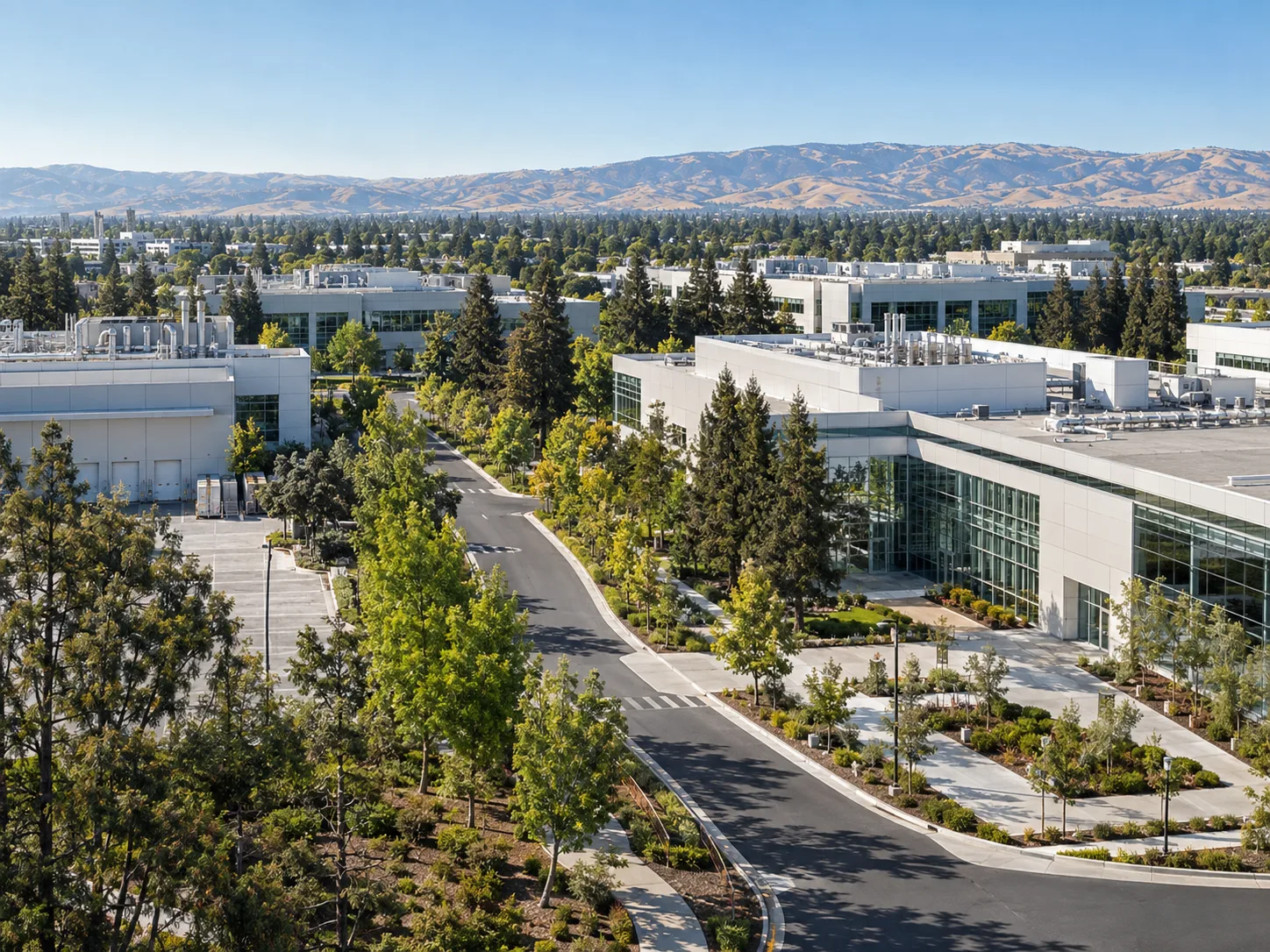
Bisnow reports that Lone Star Funds, Grove Real Estate Partners, and TMG Partners have made a large bet on specialized Silicon Valley real estate. The joint venture acquired a 2.2M SF research and development portfolio across 50 buildings and 140 acres. Its report on the Silicon Valley acquisition said the six-campus portfolio cost roughly $650M and spans San Jose, Santa Clara, and Milpitas.
Get Smarter about what matters in CRE
Stay ahead of trends in commercial real estate with CRE Daily – the free newsletter delivering everything you need to start your day in just 5-minutes
Six Campuses Form the Portfolio
The properties sit within Silicon Valley’s Golden Triangle, bounded by Highways 237 and 101 and Interstate 880. The area includes physical AI and robotics companies such as Figure AI. Nvidia, Cisco, Amazon, Samsung, Oracle, and Intel also have headquarters or major facilities in the area.
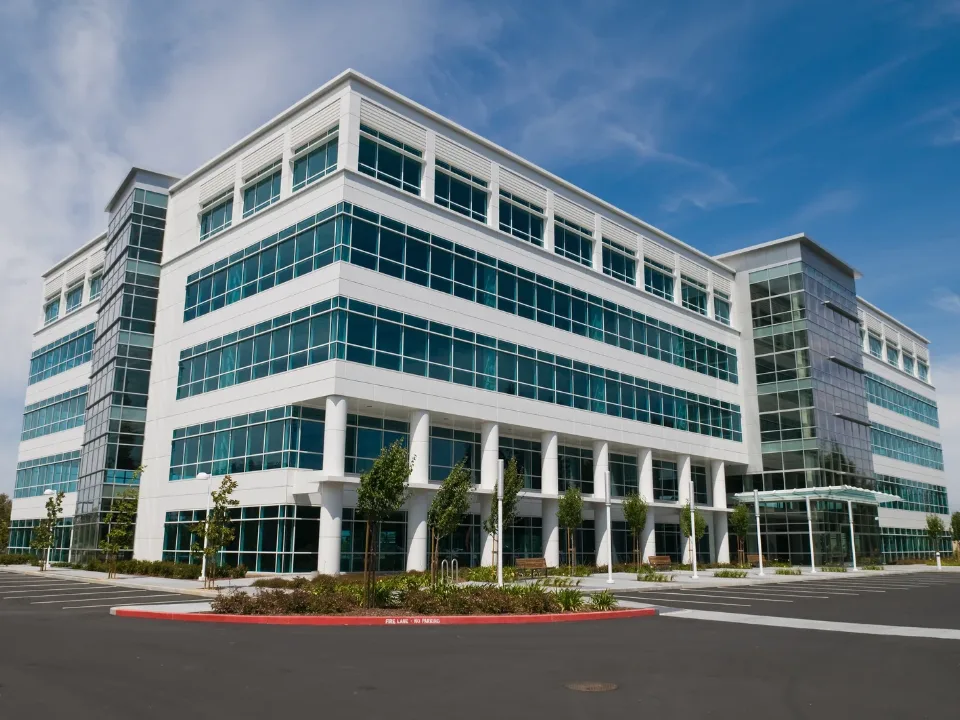
The largest piece is Tasman Tech Center in Milpitas. It has 736K SF across 14 buildings and 47 acres. Mission Park R&D in Santa Clara contains 500K SF. It spans 12 buildings and 33 acres.
Montague Oaks adds 295K SF across eight San Jose buildings. North First at Orchard contributes 266K SF across six buildings. Montague Square has 251K SF across six Santa Clara buildings. Zanker Place adds 142K SF across four San Jose buildings.
Purpose-Built Infrastructure Drives the Bet
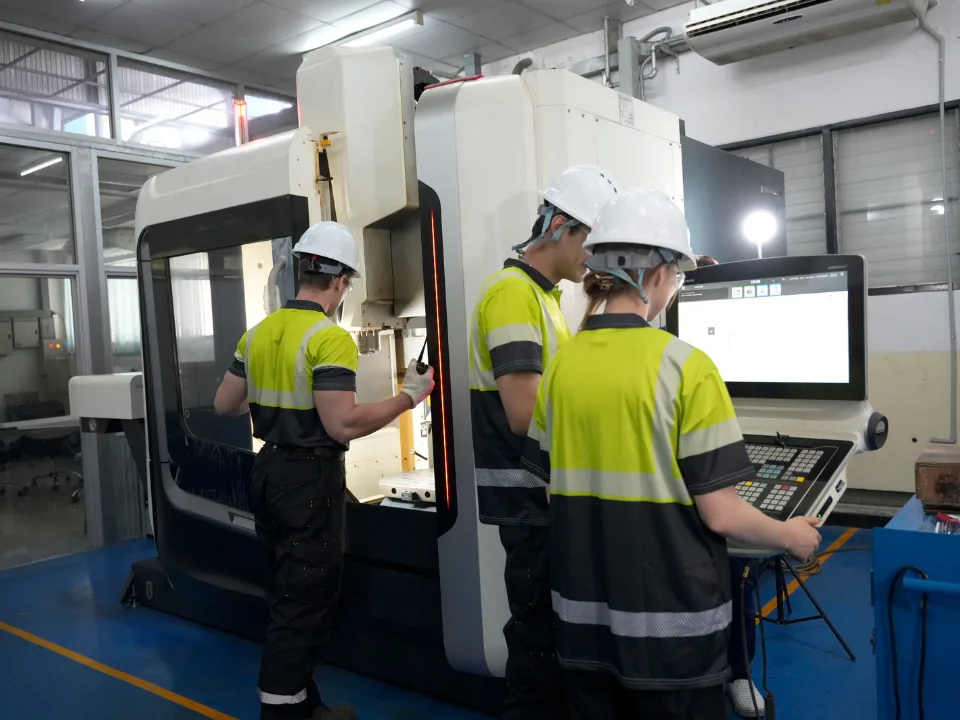
Lone Star said the portfolio’s specialized features should appeal to tenants that need advanced turnkey facilities. The buildings include modifications for power, HVAC, labs, clean rooms, and loading areas. Those capabilities can be difficult to reproduce quickly in generic office or industrial space.
The demand case centers on specialized industrial space that can support technical occupiers without extensive conversion work. Lone Star Global Head of Commercial Real Estate Jérôme Foulon said the firm has strong conviction in the Bay Area’s resurgence and sees business tailwinds across Silicon Valley.
The owners plan to upgrade the properties. TMG and Grove will operate the portfolio. The strategy is not based on generic office demand. It targets occupiers that need laboratories, advanced building systems, and loading capability already embedded in the campuses.
Occupancy Shows Both Demand and Risk
The buyers told the Silicon Valley Business Journal that the portfolio is 87% occupied. That matches the occupancy rate for Silicon Valley R&D properties more broadly.
Cushman & Wakefield estimates about 21.4M SF of dark R&D space across Silicon Valley. The vacancy backdrop is meaningful. It shows the JV is buying into a market with substantial available inventory. The buyers are betting that specialized facilities can outperform generic vacant space as advanced technology users expand.
Lone Star Expands Its Bay Area Exposure
The acquisition is Lone Star’s second Bay Area investment this year. In January, it acquired the mortgage secured by 600 California St. in San Francisco. The 20-story Class A office building spans 360K SF.
The loan totaled $240M, and Lone Star acquired it for $130M. In May, Lone Star and Harvest Properties formed a joint venture to recapitalize the asset. The R&D purchase broadens that exposure from a distressed San Francisco office loan into a large South Bay operating portfolio.
Washington Holdings Continues to Sell
Washington Holdings has been reducing its South Bay holdings. In April, it sold a fully leased 375K SF technology park in San Jose for $164.3M. In June, it sold four buildings in Santa Clara’s Mission Park office complex for $32.9M, according to the Silicon Valley Business Journal.
The latest sale transfers a much larger group of properties to investors willing to upgrade specialized facilities and underwrite a recovery in the region’s advanced technology demand.
At roughly $650M, the acquisition also gives the JV immediate scale. It controls six campuses across three South Bay cities. That breadth lets the owners offer different building sizes and technical configurations while keeping the portfolio concentrated in the same technology corridor.
The mix of campuses also spreads leasing exposure across Santa Clara, San Jose, and Milpitas. All three remain within the same core Silicon Valley employment and technology geography.