


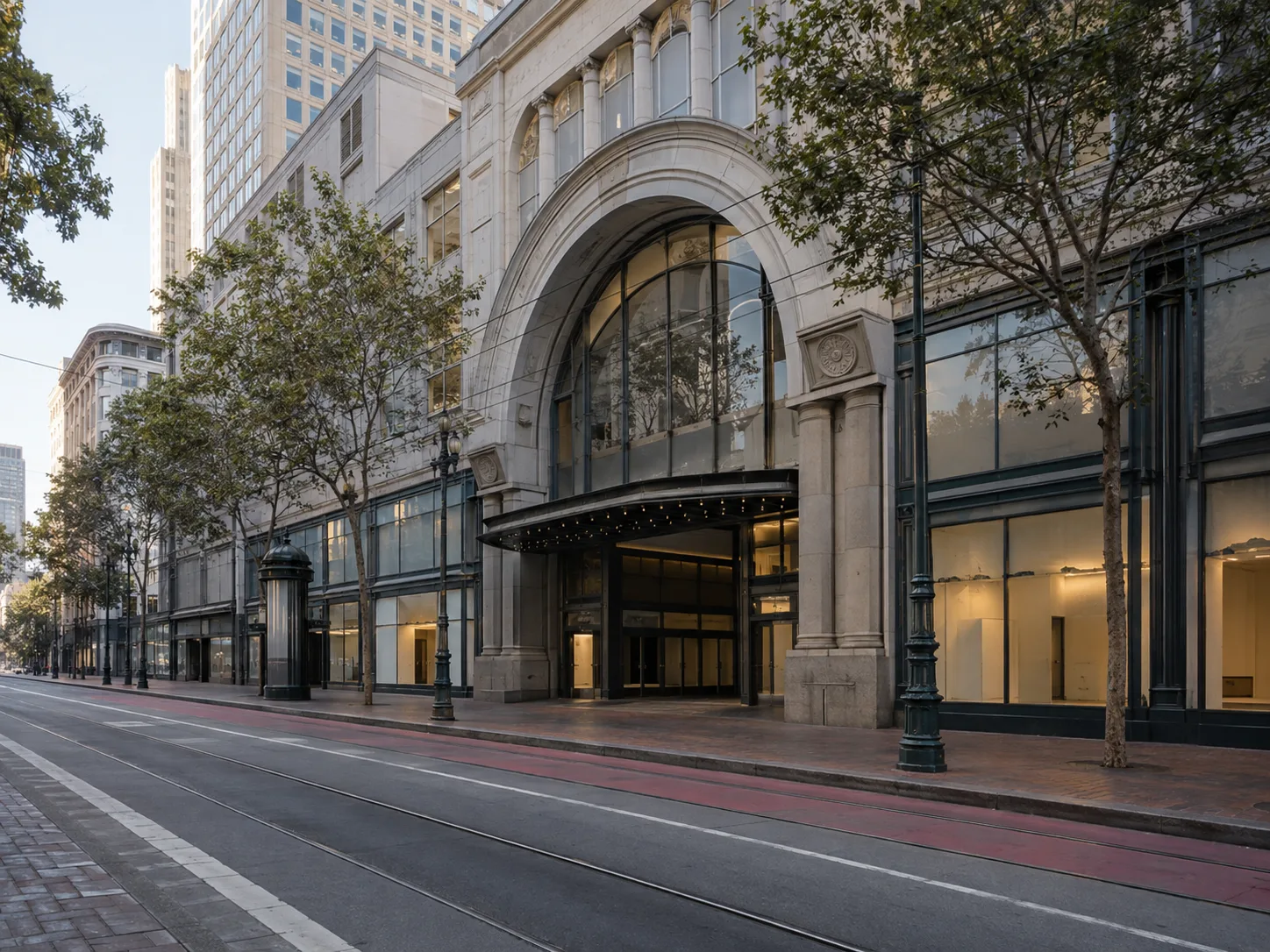

- Bloomberg reported Fidelity opened a 735K SF Seaport headquarters while retaining its 855K SF downtown office.
- Bloomberg said Fidelity now requires Boston employees onsite five days a week, replacing half-month remote work.
- CBRE put Q2 office vacancy at 20% in both neighborhoods, far above their pre-pandemic levels.
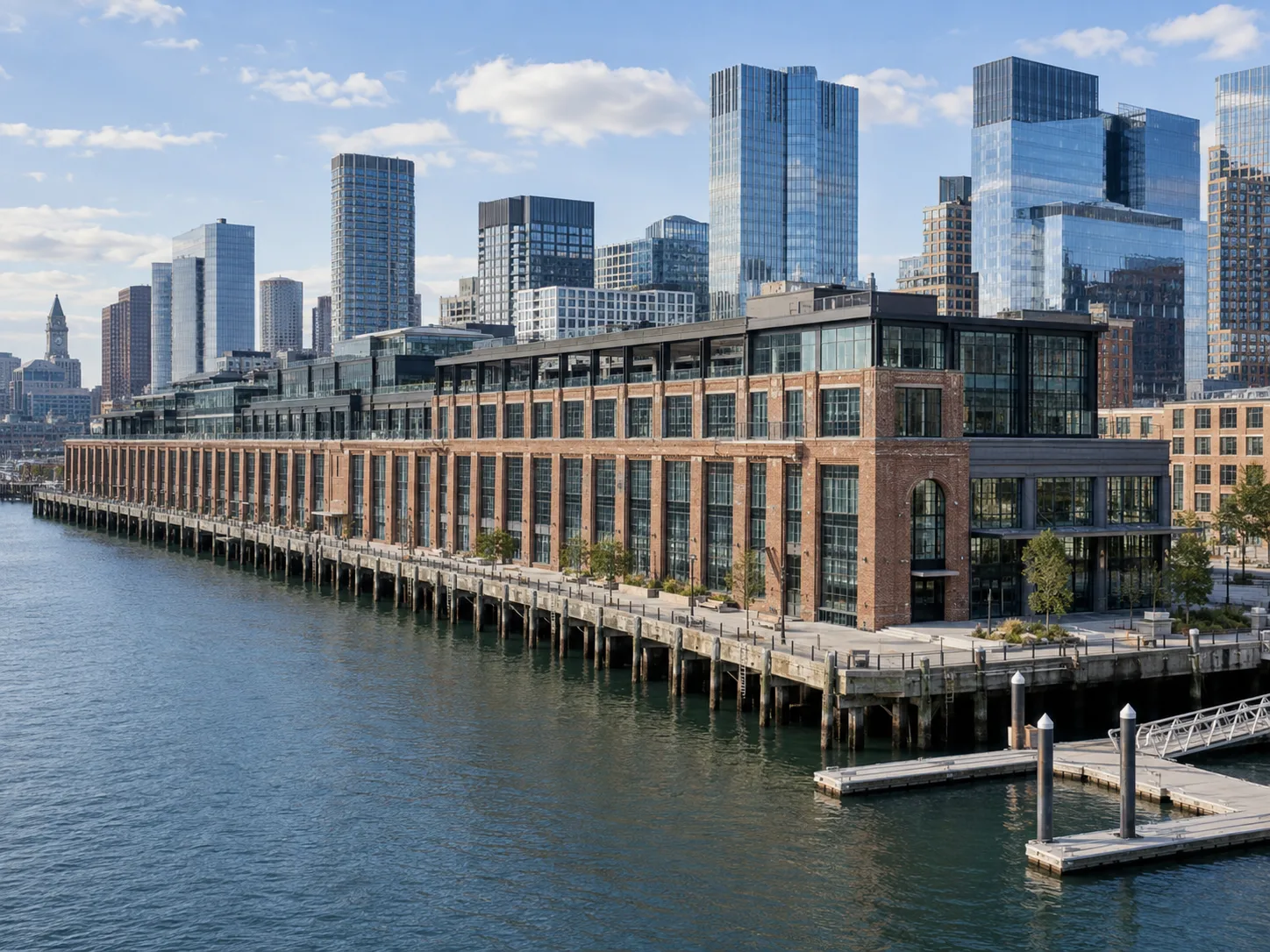
Bloomberg reports that Fidelity Investments has opened a 735K SF waterfront headquarters at Commonwealth Pier in Boston’s Seaport. The campus was designed around in-person collaboration and arrives as the firm ends hybrid work for Boston employees. Its report on Fidelity’s new Boston headquarters says the company will also keep its 855K SF downtown headquarters to accommodate more than 6,000 local employees.
Get Smarter about what matters in CRE
Stay ahead of trends in commercial real estate with CRE Daily – the free newsletter delivering everything you need to start your day in just 5-minutes
A Workplace Built Around Attendance
Fidelity began construction through a real estate affiliate in 2020, just as remote work was challenging the need for large corporate offices. The company later allowed employees to work remotely for half of each month.
This spring, Fidelity reversed that model for Boston and select other markets. Employees are now required to work in the office five days a week starting in September. The company had been preparing to leave its downtown headquarters, but the attendance policy changed its space needs.
The new Seaport building provides couches, shared chairs, coffee shops, dining areas, courtyards, and a library-like room. Fidelity said the design encourages employees to move through shared spaces and collaborate rather than remain at fixed cubicles.
The change in policy is what makes the real estate decision notable. Fidelity had expected the Seaport building to replace the downtown headquarters. Requiring daily attendance created enough demand for the company to retain both large offices instead.
Historic Pier Becomes a Modern Office
Commonwealth Pier is a 113-year-old waterfront property that once served as a cargo terminal and immigrant entry point. Fidelity helped convert it into exhibition, event, and support space in the 1980s. The latest redevelopment restored original clerestory windows while keeping industrial elements such as exposed beams and ductwork.
The three-story building now includes large harbor-facing windows, metal-mesh railings, employee showers, and an on-site health center. A navigation robot will help workers locate meeting rooms. Restaurant-style booths and a long curved bar support informal work and company events.
Two Headquarters Anchor Two Districts
Keeping both offices turns Fidelity into a major employer in two of Boston’s core commercial districts. The company’s space now totals about 1.59M SF across the 735K SF Seaport headquarters and the 855K SF downtown building.
The decision lands amid elevated Boston office vacancy. CBRE said vacancy in both neighborhoods stood at 20% at the end of Q2. Before the pandemic, downtown vacancy was 6% and Seaport vacancy was 9%.
Mark Fallon of Hunneman said Fidelity’s decision to retain both properties affirms its commitment to Boston despite negative office-market headlines.
The Pier Adds Public-Facing Uses
The Commonwealth Pier redevelopment extends beyond Fidelity’s offices. It includes expanded retail space and a 5,400 SF home for the Museum of American Finance. The free Smithsonian-affiliated museum had been based in New York and opened at the Boston location this summer.
All Fidelity business units will have a presence in the new headquarters, including many fund managers. City records show the company’s Boston headcount increased 24% from 2016 through 2025.
The move also gives the Seaport project a mix of private office and public-facing activity. Retail and the museum broaden the pier beyond a single corporate use, while the historic building remains a major workplace for Fidelity’s Boston employees.
Finance Employment Shows Green Shoots
Boston’s finance sector has experienced declining employment since the Great Financial Crisis, according to Bloomberg. Recent commitments offer some counterpoints. JPMorgan Chase plans a hiring push ahead of its move into Boston’s newest office tower, while KKR signed a 133K SF downtown lease last year.
Fidelity’s business is also expanding. Assets under management reached $7.8T in Q2, up 23% year over year. The new headquarters therefore opens alongside both a stricter attendance policy and continued company growth, giving the firm a large physical footprint in two neighborhoods still working through post-pandemic vacancy across Boston’s districts.