



- Altus Group reported Q2 CRE transaction dollars rose 11% quarter over quarter, while trailing four-quarter volume increased 16.3% year over year.
- NCREIF ODCE data showed a 1.3% property-level return, with roughly 1.1% from income and 0.2% from appreciation.
- Larger transactions are returning, but sector signals diverged as multifamily valuations held up better than its broader transaction market.
Altus Group’s Q2 data show commercial real estate values and transaction activity both moving higher, but for different reasons. In its Q2 investment analysis, Altus compared the NCREIF ODCE index with its US CRE Investment and Transactions Quarterly report. The valuation index returned 1.3% at the property level, while transaction dollars rose 11% from the prior quarter.
Get Smarter about what matters in CRE
Stay ahead of trends in commercial real estate with CRE Daily – the free newsletter delivering everything you need to start your day in just 5-minutes
Cash Flow Carries Core Values
The ODCE index covers appraised values for institutionally owned core assets held in 25 open-ended funds. Its 1.3% property-level return included just under 1.1% from income and about 0.2% from appreciation. That marked an eighth consecutive positive quarter.
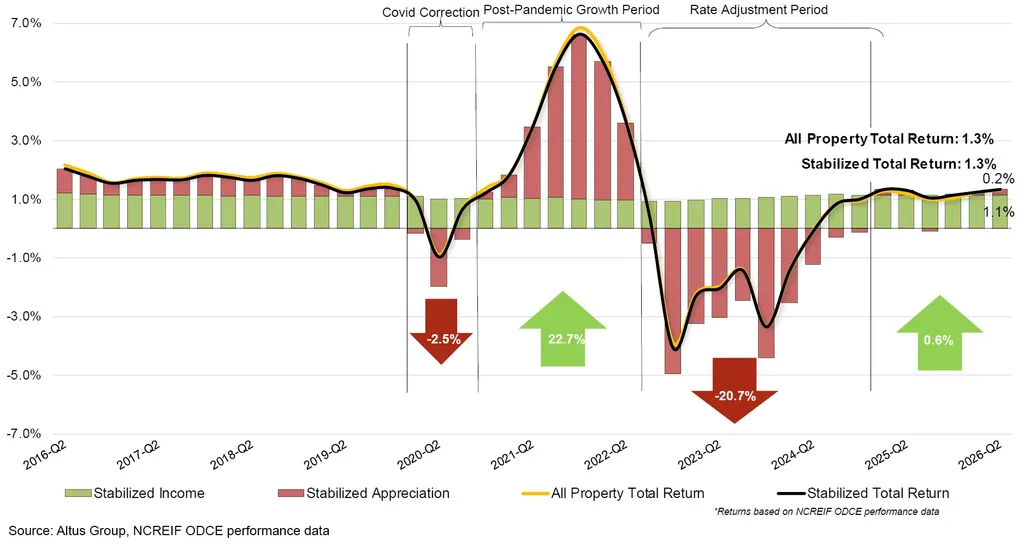
Mike Amthor of Altus said values are rising at a light pace. Investment rates stayed notably stable through Q2, so changes in market sentiment did little to lift valuations. Cash flow did most of the work. Altus said that pattern has persisted for roughly six quarters following the rate adjustment that ran through 2024.
Bigger Deals Lead the Recovery
The transaction dataset showed more energy. Dollar volume increased 11% quarter over quarter and 16.3% year over year on a trailing four-quarter basis. Transacted SF rose about 12%. Deal count climbed 6.7% from Q1 but slipped slightly from a year earlier.
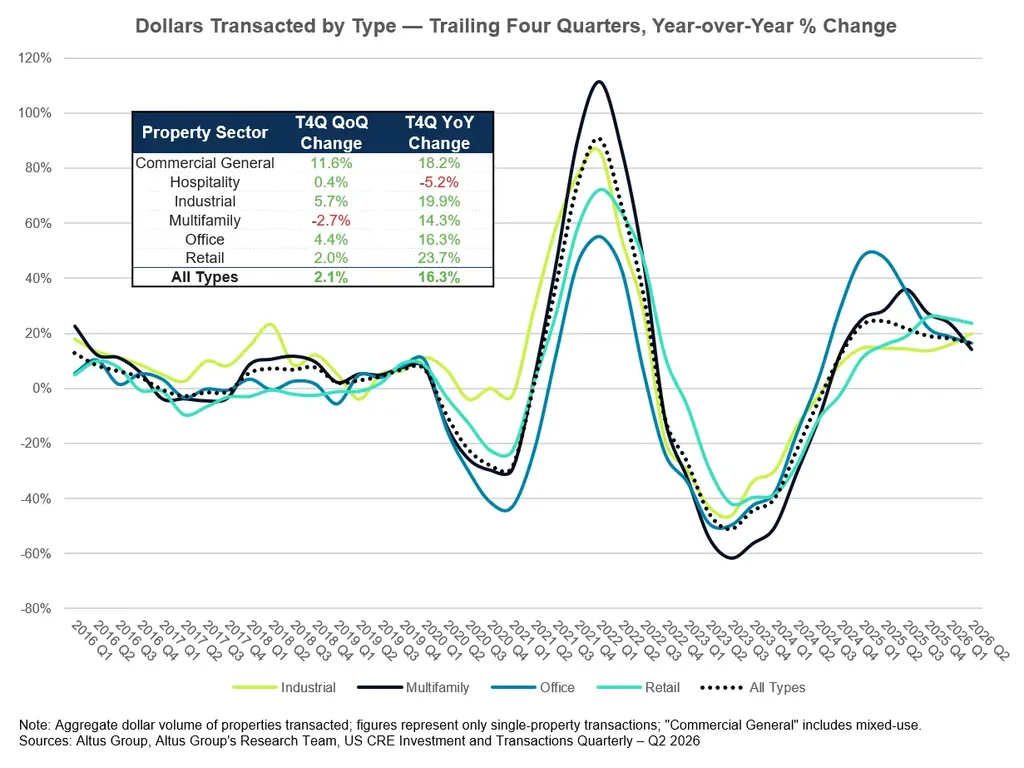
That gap suggests the CRE transaction momentum is being driven by larger deals, not a broad surge in buyer counts. The ITQ includes closed sales of $100K and above across primary, secondary, and tertiary markets, so it captures a wider transaction universe than the institutional ODCE index.
Sector Signals Diverge
Storage, medical office, and office showed relative resilience across both datasets. Storage stood out in the transaction market, where spot pricing increased 24% year over year. Altus also said storage pricing has roughly doubled since 2020.
Medical office continued to benefit from cash flow and steady activity. Office values were roughly flat in the ODCE data, while larger office properties began trading again. The average office building size sold has grown about 40% from its 2024 low.
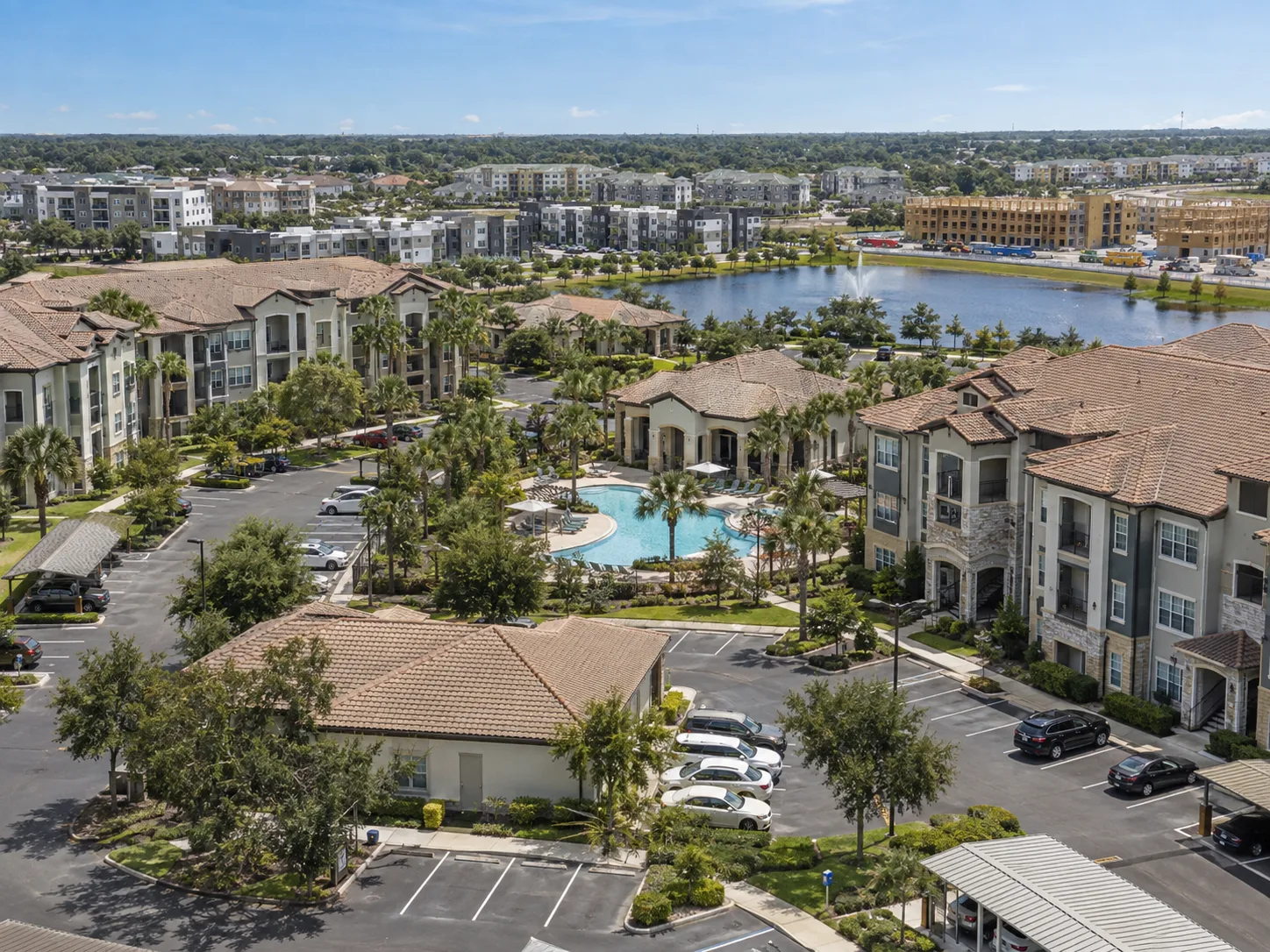
Multifamily presented the clearest split. Institutional valuations remained positive, but the sector gave up the most transaction share. Altus also found the median apartment asset sold in Q2 was about two years older than a year earlier. Buildings from the 1980s priced about 43% above 2000s-vintage assets, which the research team viewed as a likely location signal.
That pricing pattern suggests age alone is not determining value. Altus said older apartments may be concentrated in stronger locations, helping them command higher pricing than newer stock in weaker submarkets. The result reinforces the broader Q2 message: headline sector labels can hide large differences in asset quality and geography.
Markets Move at Different Speeds
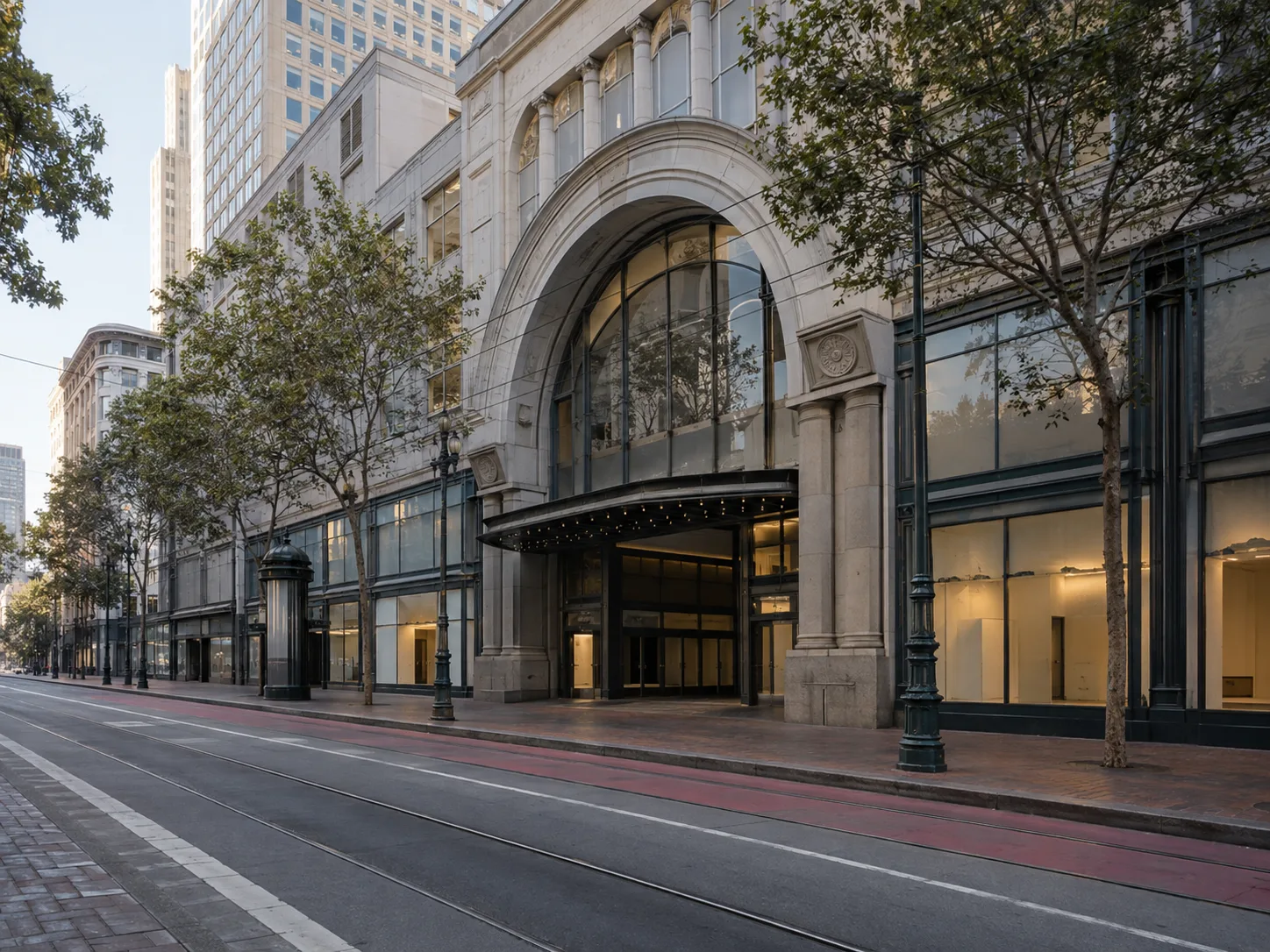
Geography added another layer. San Francisco showed improving office and residential momentum tied to AI activity. Dallas continued to post strong leasing. Southern California industrial conditions remained weak, although the decline appeared to be easing as larger-format leasing improved.
Sun Belt markets still carried pressure from excess supply. Those differences help explain why national valuation and transaction measures can rise while individual property types and metros remain at different stages of recovery.
What to Watch in the Second Half
Altus framed three questions for the rest of 2026. Investors will watch whether capital continues rotating away from multifamily toward industrial and office. They will also test whether larger deals remain a durable part of the transaction rebound.
The final question is whether cash flow can keep carrying returns if investment rates stay stable. Capital spending will also matter, especially for office assets. In industrial, Southern California leasing will be an important signal for whether the current stabilization broadens into a stronger recovery.
For investors, the two datasets offer complementary signals. Appraised core values are improving slowly because income remains dependable. Transaction markets are moving faster where larger buyers and sellers can agree on pricing. Whether those paths converge will shape the pace of the broader investment recovery.