



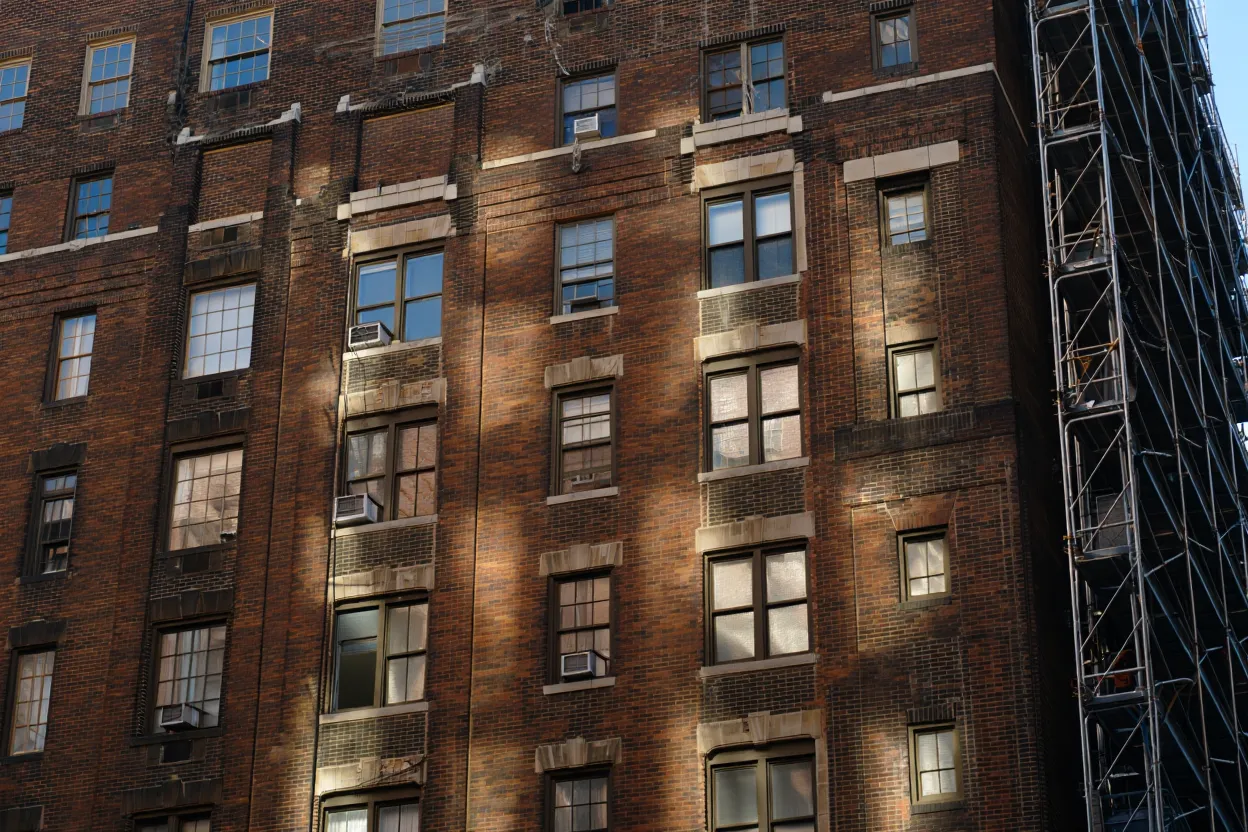
- New York City’s HPD announced a $1B investment focused on preserving existing supportive housing stock across all five boroughs.
- The Supportive Preservation Program will fund infrastructure upgrades, offer tax exemptions, provide below-market loans, and facilitate conventional financing.
- This support aims to modernize aging properties serving vulnerable tenants, improving energy efficiency and accessibility as the housing stock ages.
Legacy Supportive Housing Faces Critical Upkeep Needs
Supportive housing, a crucial part of New York City’s affordable housing landscape since the 1980s, is showing its age—and the Department of Housing Preservation and Development (HPD) is stepping in with a $1B preservation initiative. The Real Deal reports that the new city-backed Supportive Preservation Program will direct funds to an estimated 30,000 existing affordable rental units that combine housing with on-site social services for vulnerable tenants. This marks New York’s largest public preservation push for supportive housing stock, many buildings of which date back decades and are now at a tipping point for needed reinvestment. As the city targets both housing production and preservation, HPD aims to ensure that critical supportive housing assets are upgraded for long-term viability.
The effort comes as officials increasingly focus not just on building new affordable units, but on maintaining those already serving residents with complex needs. According to a recent policy update from Mayor Zohran Mamdani’s administration, the preservation of supportive units is an explicit pillar in the city’s broader goal to add or preserve 400,000 affordable homes over the next ten years.
Get Smarter About What Matters in New York
Subscribe to our free newsletter covering the biggest commercial real estate stories across the five boroughs — delivered in just 5 minutes.
The Details
The Supportive Preservation Program will offer a mix of direct financial support and incentives: infrastructure upgrade funding, residential real estate tax exemptions, below-market loans, and modifications to existing HPD loans to encourage participation from conventional lenders. The program is available citywide and exclusively targets existing supportive housing—such as single-room occupancy buildings developed in the 1980s and 1990s—to address deferred maintenance, structural safety, accessibility, and energy efficiency upgrades for an aging tenant base.
Patrick Love, HPD’s Deputy Commissioner of Development, notes these investments are designed to reach assets “the city financed 20, 30, 40 years ago.” Operators like Nazareth Housing in the Bronx say the funding will enable critical repairs, from façade and roof replacement to boiler upgrades, with some properties estimating several million dollars in needed capital to stabilize operations.
Preservation Outpaces New Construction
As development costs climb and interest rates linger well above historic lows, preservation of existing affordable and supportive housing is drawing increased government and investor focus. According to HPD’s own projections and recent city housing reports, modernizing and maintaining New York’s aging supportive inventory can be more cost-effective and less disruptive than ground-up construction. State leaders have also backed affordable housing efforts with billions in new funding commitments, reinforcing preservation as a long-term priority.
Other major US cities—including Los Angeles and Chicago—have adopted similar preservation-first strategies for large-scale supportive housing to maximize public stewardship over limited affordable assets. New York’s program stands out, however, for its $1B commitment and targeted incentives designed to unlock both institutional and private-sector capital for reinvestment.
Why It Matters
New York faces a well-documented shortfall in housing for residents coping with chronic health, mental illness, or barriers to stable employment. As of 2025, city records estimated over 30,000 supportive housing units in operation, many at risk due to aging infrastructure and insufficient maintenance financing. HPD’s $1B preservation program fills a glaring gap, addressing urgent capital needs while shoring up the buildings that serve as off-ramps from homelessness and institutional care. Operators like Nazareth Housing point out that upgrades—particularly related to energy efficiency and infrastructure—directly lower operating expenses, enabling sustained property management and tenant services.
The broader market implication is significant. By focusing on capital upgrades and tax relief for existing properties, the city incentivizes lenders and operators to keep these assets in productive, mission-driven use, limiting conversion risk to market-rate units. According to city housing plan metrics, preserving even half of the city’s roughly 60,000 aging supportive and affordable units over the next decade could avert thousands of evictions, reduce costly shelter stays, and provide continuity for vulnerable households. The initiative also signals to both private lenders and institutional investors that New York City is serious about long-term supportive housing stewardship, which could draw additional capital into the space.
What’s Next
HPD has started outreach to building owners and nonprofit operators to expedite applications for the new Supportive Preservation Program. The goal is to deploy funds over the next several years as part of the city’s broader $1B supportive housing commitment announced in Mayor Mamdani’s recent housing plan.
As more operators tap into the program, significant construction and value-add opportunities are expected in the city’s affordable housing sector, particularly in the Bronx and other outer boroughs where infrastructure needs are most acute. The city also intends to publish data on project impacts and completed renovations, providing benchmarks for future preservation efforts and policy adjustments.