






- Well-capitalized Houston office owners are reporting higher occupancy and revenue growth of as much as 40% in upgraded properties.
- DML Capital and Granite Properties are among owners seeing strong leasing, with some buildings approaching or reaching full occupancy.
- Houston’s roughly 24% office vacancy rate masks a sharper split between sought-after properties and aging buildings that may never recover.
Houston’s office recovery is becoming increasingly bifurcated, with tenants concentrating in well-located, amenity-rich buildings while weaker Class-B and Class-C properties continue to struggle, as indicated by Bisnow. At Future of Houston Office event, owners and brokers said improving demand is allowing landlords to raise rents and, in some cases, generate revenue gains of 30% to 40%.
Get Smarter About What Matters in Texas
Subscribe to our free newsletter covering the biggest commercial real estate stories across Texas — delivered in just 5 minutes.
Houston Office’s quality divide:
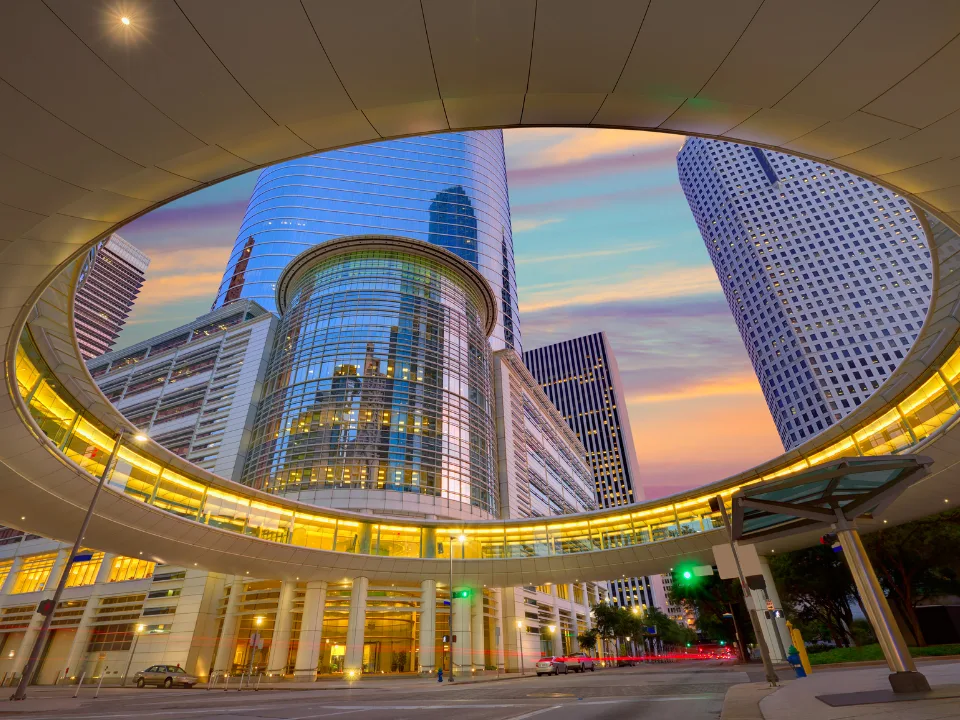
The flight to quality has been building for years, but the performance gap is becoming harder to ignore. CBRE puts Houston’s overall office vacancy rate at roughly 24%, compared with about 18% nationally, while vacancy in the city’s top-tier buildings averages just 11.7%.
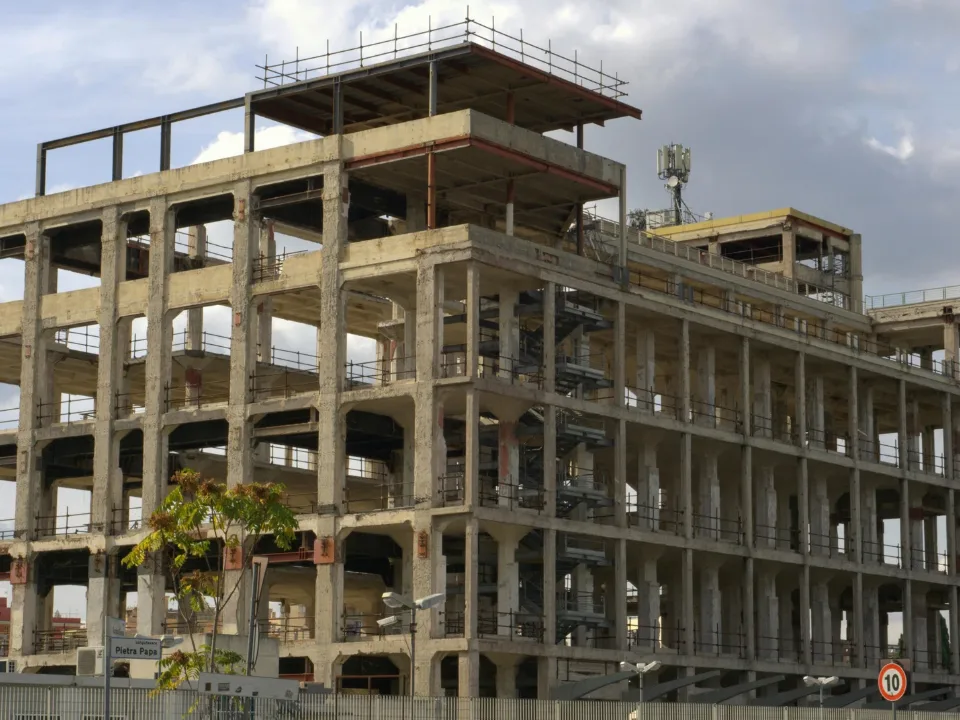
For owners willing to invest in older but well-positioned properties, that spread is creating an opportunity. But panelists cautioned that a substantial portion of Houston’s lower-quality inventory may no longer be economically viable without major repositioning.
The details:
DML Capital has seen the turnaround firsthand. The firm acquired a 171K SF, two-building office complex in Sugar Land that was about 84% leased in 2024. The property is now fully occupied, with leases expected to keep it that way for at least two years.
DML now owns five office properties and has doubled its assets under management from $300M to $600M in less than a year. Partner Saleem Lakhani said most of the firm’s offices are in the high-80% to 90% occupancy range, with some at 100%, giving landlords room to push rents.
Granite Properties is seeing similar results. Its Houston portfolio includes the 302K SF 3151 Briarpark Drive in Westchase and the 510K SF Weslayan Tower in Greenway Plaza. Zachry Engineering leased 53K SF at 3151 Briarpark during the first quarter of 2026, while Granite reported revenue growth of 30% to 40% across its properties.
West Houston keeps winning:
Location is proving just as important as building quality. Lee & Associates Principal Bill Insull said the intersection of Beltway 8 and Interstate 10 near CityCentre and Memorial City has become Houston’s population center, supported by continued migration toward the west, southwest and north.
Office properties in that area are reaching occupancy rates as high as 95% and commanding some of the city’s highest rents outside select downtown trophy buildings. Major employers including Apache Corp. and Bechtel have moved from the Galleria area to Westchase, while LyondellBasell relocated from downtown to Williams Tower near the Galleria.
Downtown is still attracting demand, particularly from law firms seeking newer trophy space. Texas Tower, which opened in 2021, has attracted firms including Vinson & Elkins, which cut its footprint while remaining in the downtown submarket.
Why it matters:
Houston office owners are increasingly being rewarded for controlling the right buildings rather than simply owning office space. Tenants in law, engineering, accounting and other professional services are prioritizing high-quality workplaces partly to help recruit and retain employees who entered the workforce during the pandemic.
That is giving landlords with capital to spend a potential advantage. Amenities such as fitness centers, conference facilities, food offerings and even golf simulators can help older properties compete, according to panelists.
The implication is less encouraging for owners of obsolete inventory. Lakhani estimated that roughly 80% of the buildings represented by Houston’s vacant office space may never return to productive occupancy without a major change in strategy or use.
What’s next:
The improving fundamentals do not necessarily mean Houston office values will rebound quickly. As cap rates compress, owners are shifting from two- to five-year investment plans toward five- to 10-year holds, Lakhani said.
That longer timeline puts greater emphasis on recurring cash flow, tenant retention and capital improvements rather than a near-term sale. Investors will be watching whether rising rents and occupancy can continue to justify upgrades — and whether Houston’s weakest office assets ultimately get converted, redeveloped or removed from the market.