







- US housing shortage now estimated at a minimum of 10M single-family homes by White House economists.
- New estimate is notably higher than previous figures from Freddie Mac and NAR.
- Policymakers are advancing legislation and executive actions to address affordability and supply.
- Current 30-year fixed mortgage rates have topped 6%, intensifying the affordability crisis.
Shortfall Deepens
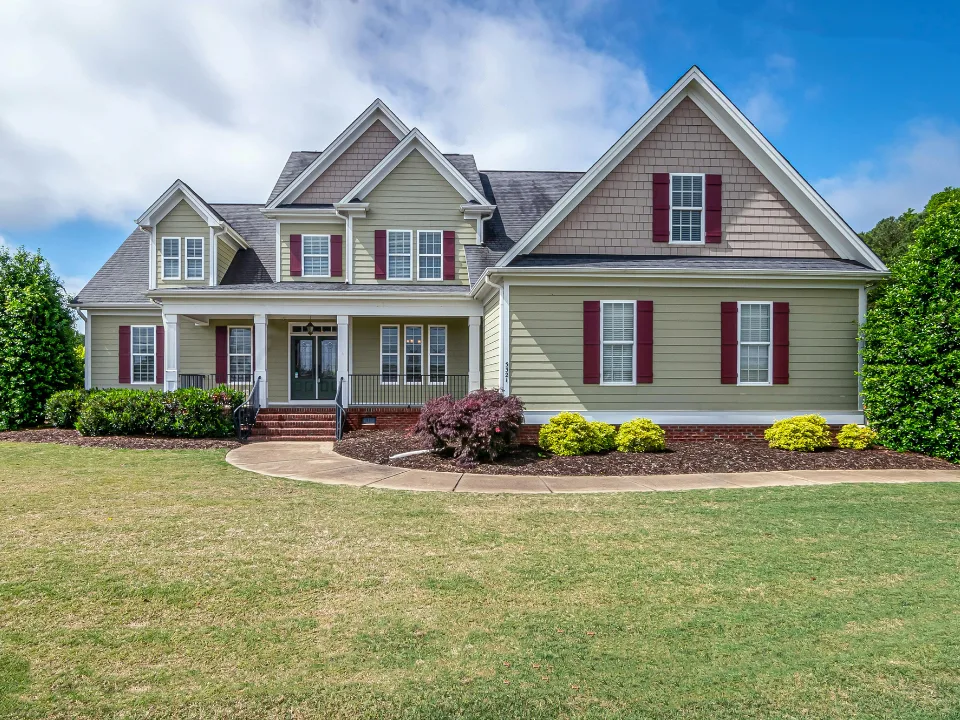
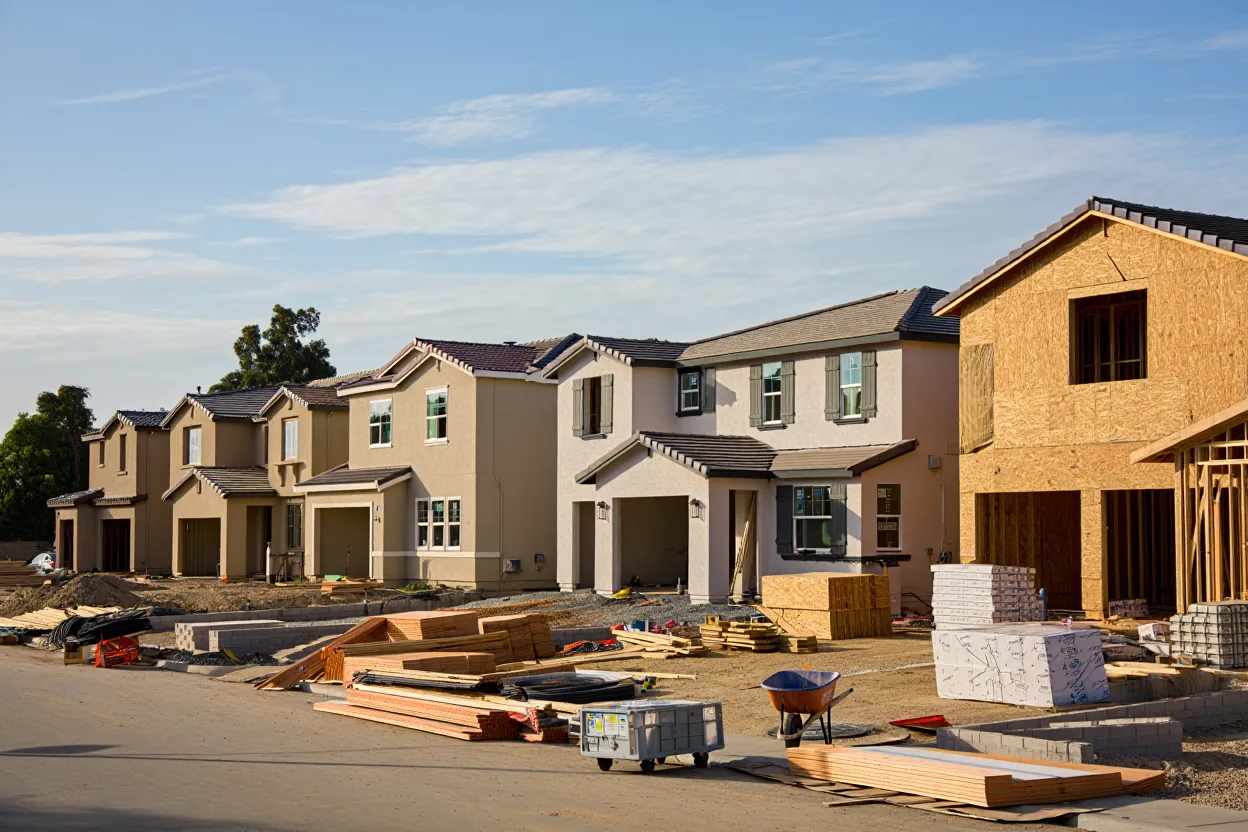
Bloomberg reports that the US faces a deficit of at least 10M single-family homes, according to the latest report from the White House Council of Economic Advisers. The number marks a significant increase over previous government and industry estimates, reflecting years of underbuilding since the 2008 financial crisis.
The Council’s analysis highlights that, had homebuilding continued at its historical pace, today’s national housing inventory would be far larger. The estimate outpaces those from other authoritative sources such as Freddie Mac, which previously projected a 3.7M unit shortfall in late 2024, and the National Association of Realtors, which estimated a gap of 5.5M units in 2021.
Policy Push in Washington
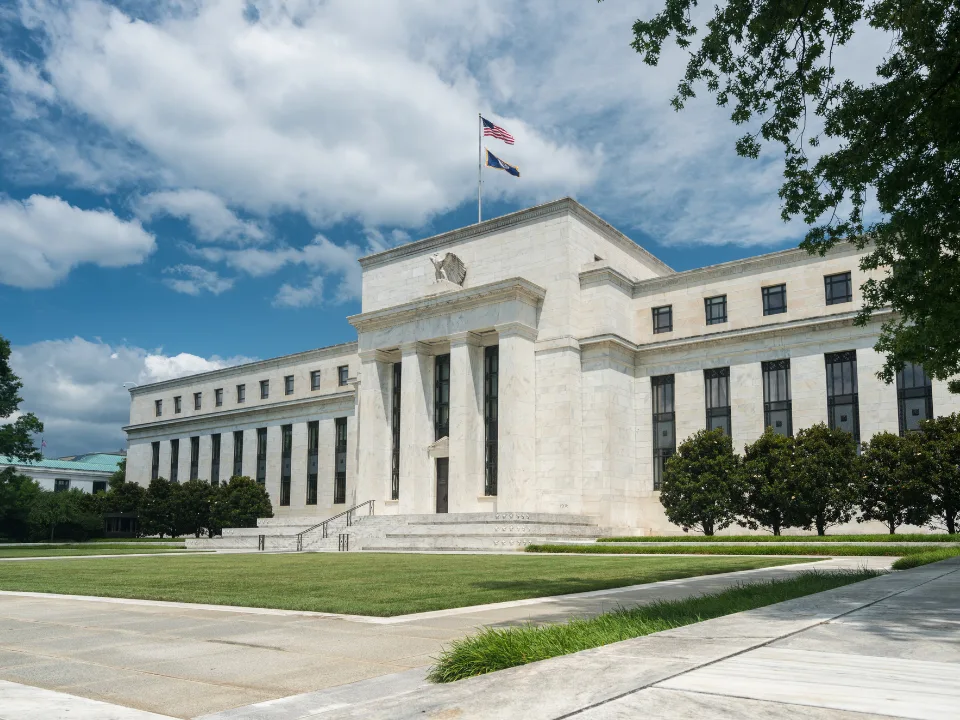
In response to the escalating housing shortage, federal policymakers are seeking ways to spur new supply and address affordability concerns. The Senate recently passed a sweeping bill to lower housing costs, though its prospects in the House remain uncertain. The legislation also includes measures targeting investors in build-to-rent housing.
Additionally, President Trump signed executive orders aimed at expanding access to mortgage credit—particularly by directing the Consumer Financial Protection Bureau to ease lending rules for smaller banks—and expediting development by relaxing select environmental regulations.
Get Smarter about what matters in CRE
Stay ahead of trends in commercial real estate with CRE Daily – the free newsletter delivering everything you need to start your day in just 5-minutes
Market Pressures Persist
The White House has instructed government-backed mortgage agencies Fannie Mae and Freddie Mac to purchase $200B in mortgage bonds to help lower interest rates. However, global events have blunted the effect, with the average 30-year fixed mortgage now at 6.37%, over twice as high as five years ago. At the same time, rising corporate bond issuance has been putting upward pressure on Treasury yields, making it harder for policy efforts to bring borrowing costs down across housing markets.
Efforts to make homebuying more attainable, such as longer-term mortgages and allowing penalty-free retirement fund withdrawals for down payments, have met resistance in Congress and the financial sector. The persistently high housing shortage continues to dominate the policy agenda as affordability concerns grow in the lead-up to the midterm elections.