



- BOMA New York introduced a Best Building Amenity category at its 53rd Pinnacle Awards and formed its first hospitality committee to share ideas on tenant experience.
- Executive Director Lori Raphael says trophy-building lessons, like better-trained front-desk staff, can carry over to Class B and C properties without major capital spending.
- In a bifurcated New York office market, hospitality is becoming a competitive requirement as owners juggle rising operating costs and Local Law 97 compliance.
For more than five decades, BOMA New York’s Pinnacle Awards have recognized the buildings and professionals setting the standard for commercial real estate across New York City.
But what qualifies as a best-in-class office building is changing.
Operational performance, engineering, sustainability, and building management remain fundamental. Increasingly, though, owners are being judged on something that once felt more like an extra: how people actually experience their buildings.
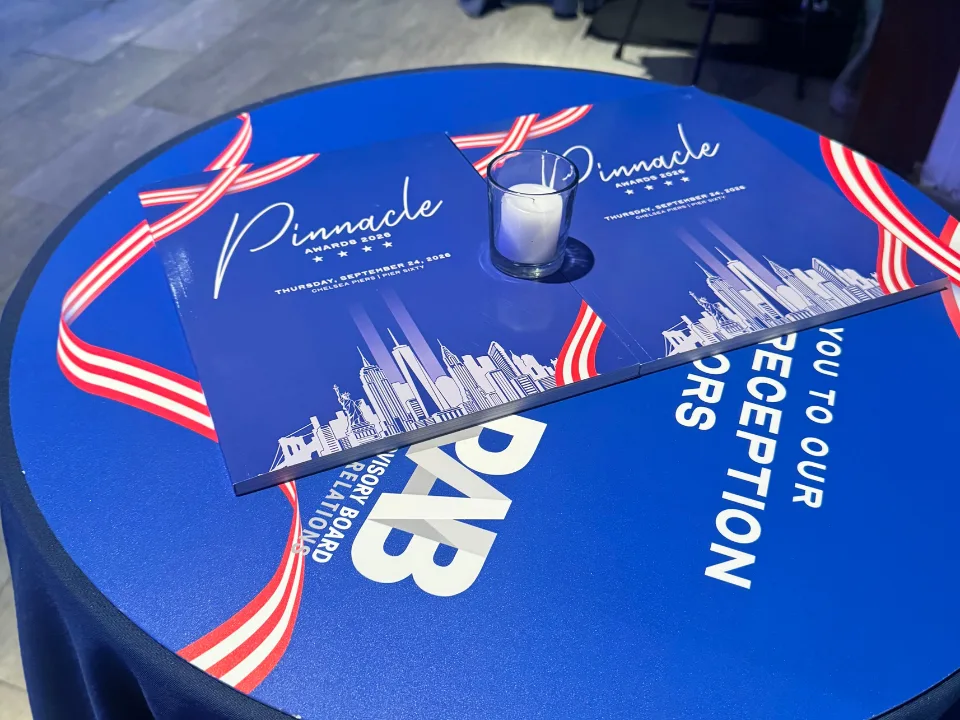
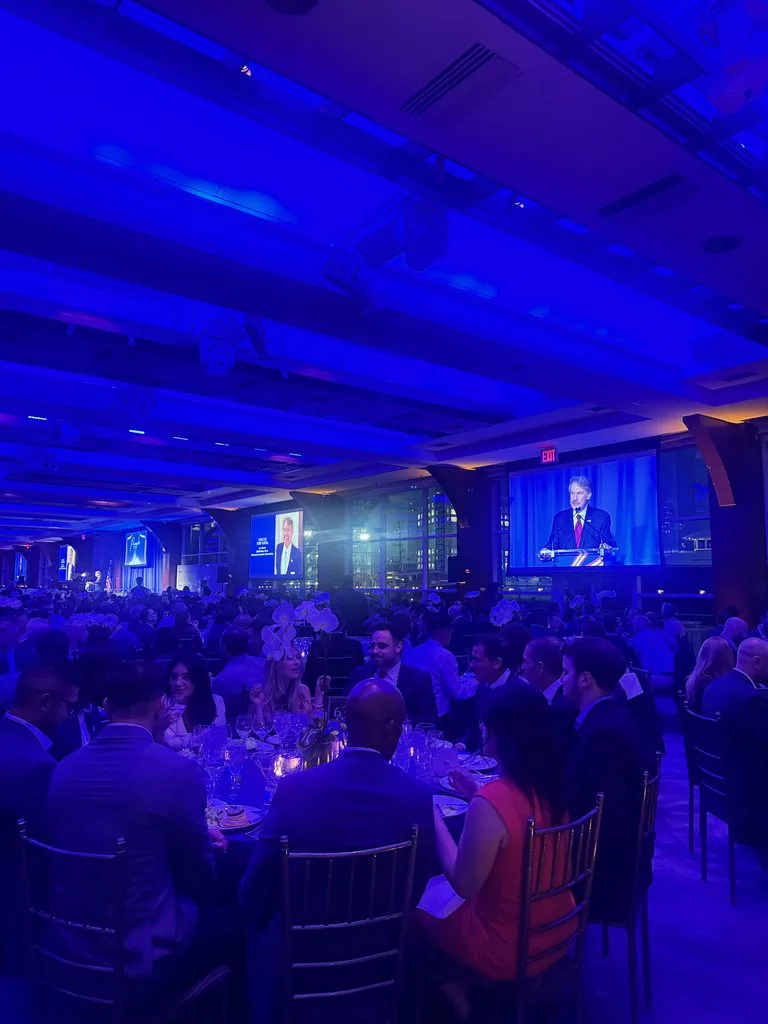
That shift was on display at this year’s 53rd annual Pinnacle Awards, held Thursday at Chelsea Piers, as BOMA introduced a new Best Building Amenity category and put a growing emphasis on hospitality and tenant experience.
Get Smarter about what matters in CRE
Stay ahead of trends in commercial real estate with CRE Daily – the free newsletter delivering everything you need to start your day in just 5-minutes
A New Measure of Excellence
“Hospitality is no longer a good thing to have,” BOMA New York Executive Director Lori Raphael told CRE Daily ahead of the awards. “It is essential to the success of a major office asset.”
The new award category isn’t the only sign of that shift. Over the past year, BOMA New York also established its first hospitality committee, bringing members together to share ideas on amenities, programming, and the broader tenant experience.
For trophy properties, those efforts can include elaborate amenity spaces and programming ranging from educational and sustainability events to social gatherings.
The goal, Raphael said, is to keep tenants engaged with their physical workplace in ways that weren’t as important before the pandemic.
“It’s key to keeping people engaged with their physical office space in a way that they haven’t been before,” she said. “In a post-pandemic, back-to-work atmosphere, [that] is really, really important.”
Beyond Trophy Offices
The hospitality push isn’t limited to the newest or most expensive buildings.
BOMA is also looking at how lessons from trophy assets can translate to Class B and C properties without requiring the same level of capital investment.
Something as simple as better training for front-desk employees can meaningfully change how tenants and visitors experience a building, Raphael said.
“How do we share our experience across the board so that, for example, your front desk staff are trained to be just as responsive as in any trophy building?” she said.
That could become increasingly important as New York’s office recovery remains uneven.
Raphael described the market as bifurcated, with trophy buildings continuing to attract major leases and strong rents while some Class B and C properties explore residential conversions and broader mixes of office, retail, experiential, and residential uses.
At the same time, owners are balancing investments intended to make their buildings more competitive with rising operating costs and regulatory requirements, including Local Law 97.
A High Bar
Even as the definition of building excellence evolves, BOMA says the standards behind the Pinnacle Awards remain deliberately rigorous.
Buildings are evaluated across detailed criteria and undergo an in-person tour, with at least three of the same judges evaluating properties within a category to provide an apples-to-apples comparison.
And a nomination doesn’t guarantee an award.
Raphael said BOMA has declined to name a winner in categories with only one entrant when that property failed to meet the required standard.
“When you get recognized, there is no doubt at that point you didn’t buy this award, you didn’t know anybody to get this award,” Raphael said. “You met a very rigorous set of criteria.”
That credibility, she believes, is part of why the Pinnacle Awards have endured for more than half a century. This year’s event reached the 1,100-person capacity of its venue, up roughly 200 to 300 attendees from when Raphael took over BOMA New York about four and a half years ago.
The People Behind the Buildings
The Pinnacles also recognize that a building’s performance depends on far more than its physical space.
Alongside building awards, BOMA recognizes property managers, engineers, security personnel, janitorial professionals, and fire and life safety teams.
“The people who perform these services in every way improve the lives of the New Yorkers that work in these buildings,” Raphael said.
For some nominees, the Pinnacles mark the first time their work has been recognized publicly.
“They’re securing your building. They are saving you if there is a fire. They are offering you a clean workspace. They make sure your air conditioning and your heating are going on,” Raphael said. “It’s an opportunity for the industry…to give back to the individuals that [do these] things all year long.”
A Larger Meaning This Year
The 2026 Pinnacle Awards also carried significance beyond commercial real estate.
BOMA built this year’s program around the 25th anniversary of the Sept. 11 attacks and the nation’s 250th anniversary, with special recognition of the 9/11 Memorial & Museum.
For Raphael, the tribute was particularly personal to the BOMA community. Members of New York’s commercial real estate industry were at the World Trade Center on Sept. 11, 2001, and some lost colleagues that day.
“We have people who did not survive and who were cherished colleagues,” Raphael said. “This was an opportunity this year to really step back and offer our appreciation for the country we live in [and] for those who lost their lives in 9/11.”
The Big Picture
The office market has changed dramatically since the Pinnacle Awards were first handed out more than five decades ago. This year’s awards suggest its definition of excellence is changing with it.
The mechanical systems still have to work. The building still has to be safe, efficient, clean, and well managed.
But in a market where employers are trying to bring workers back to the office and buildings are competing harder for tenants, those fundamentals are increasingly just the starting point.
The best buildings also have to give people a reason to want to be there.