



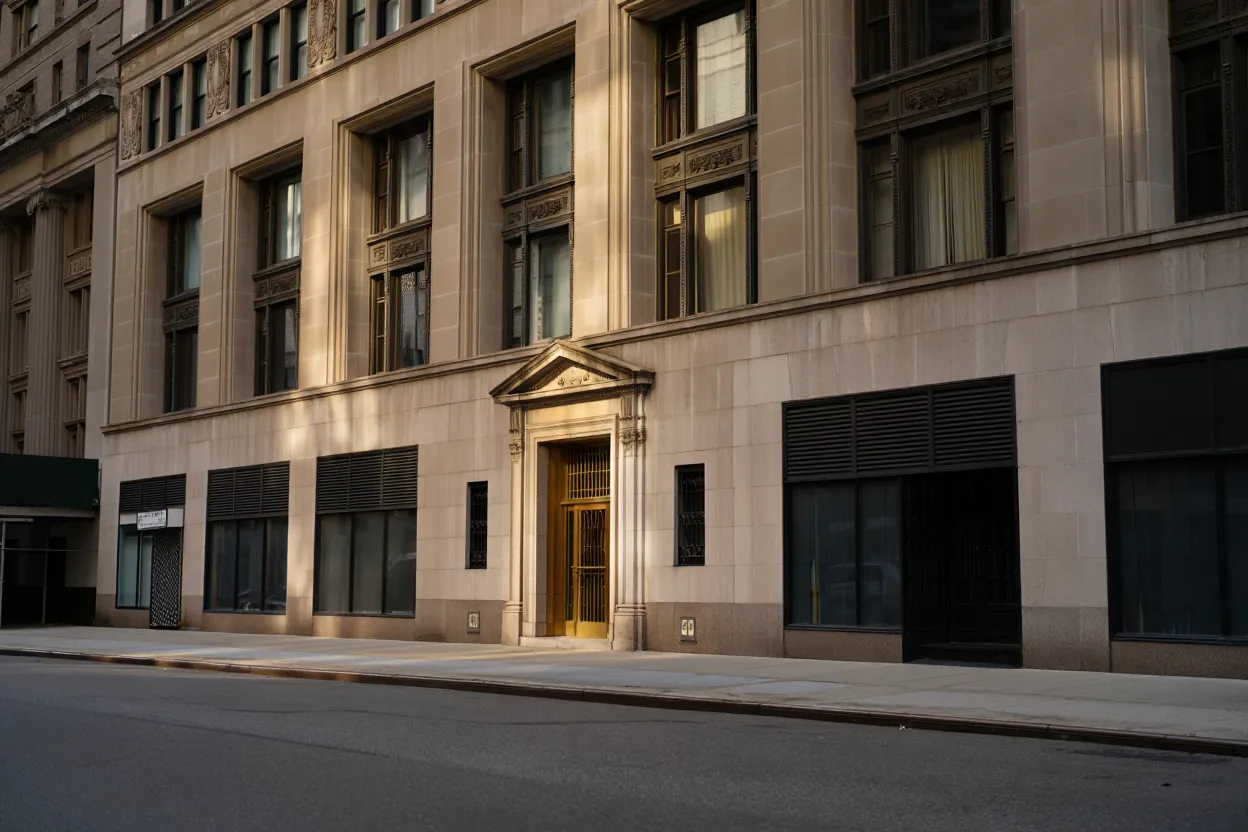
- A rare Fifth Avenue bankruptcy has prompted developers to reconsider property uses on the iconic retail corridor.
- Uncertainty over residential viability is growing due to economic and regulatory factors in New York City.
- Developers are exploring alternatives such as luxury condos, offices, or hotels instead of traditional residential projects.
- Market sentiment among lenders and investors remains unstable due to policy shifts and global events.
Bankruptcy Sends Shock Through Fifth Avenue
The recent bankruptcy filing at 609 Fifth Avenue has raised significant concerns among Manhattan developers and investors, reports Globe St. Not seen since the B. Altman & Co. collapse in the 1980s, this event is pushing the Fifth Avenue community to reevaluate future plans in one of the country’s premier retail and residential districts.
Legal counsel Leo Jacobs says this Fifth Avenue bankruptcy will force lenders to reassess ongoing projects. He adds that limited and general partners will also question their projects’ utility and financial outlook.
Residential Uncertainty Fuels Rethink
The bankruptcy is highlighting wavering confidence in residential assets on Fifth Avenue. Experts cite the current volatility in New York City, compounded by the Mamdani administration’s rent freeze proposals, fluctuating interest rates, and ongoing geopolitical tensions. Lenders and equity holders have grown cautious, with market sentiment described as in “flux.” At the same time, weak occupancy across major office corridors signals broader softness in the market, reinforcing concerns about demand and long-term asset performance.
Get Smarter About What Matters in New York
Subscribe to our free newsletter covering the biggest commercial real estate stories across the five boroughs — delivered in just 5 minutes.
Developers Consider New Asset Classes
In light of these developments, property owners and stakeholders are actively weighing alternative uses for their assets along Fifth Avenue. Possibilities include repositioning properties as luxury condos, high-end offices, or hotels. However, uses like storage or industrial facilities remain unrealistic given the corridor’s high costs and brand value.
What’s Next for Fifth Avenue
Looking forward, the ultimate value of Fifth Avenue properties will increasingly depend on how well developers adapt to changing conditions and reposition assets. Economic uncertainty and evolving market sentiment will continue to shape decisions on the famed Millionaires’ Row.