





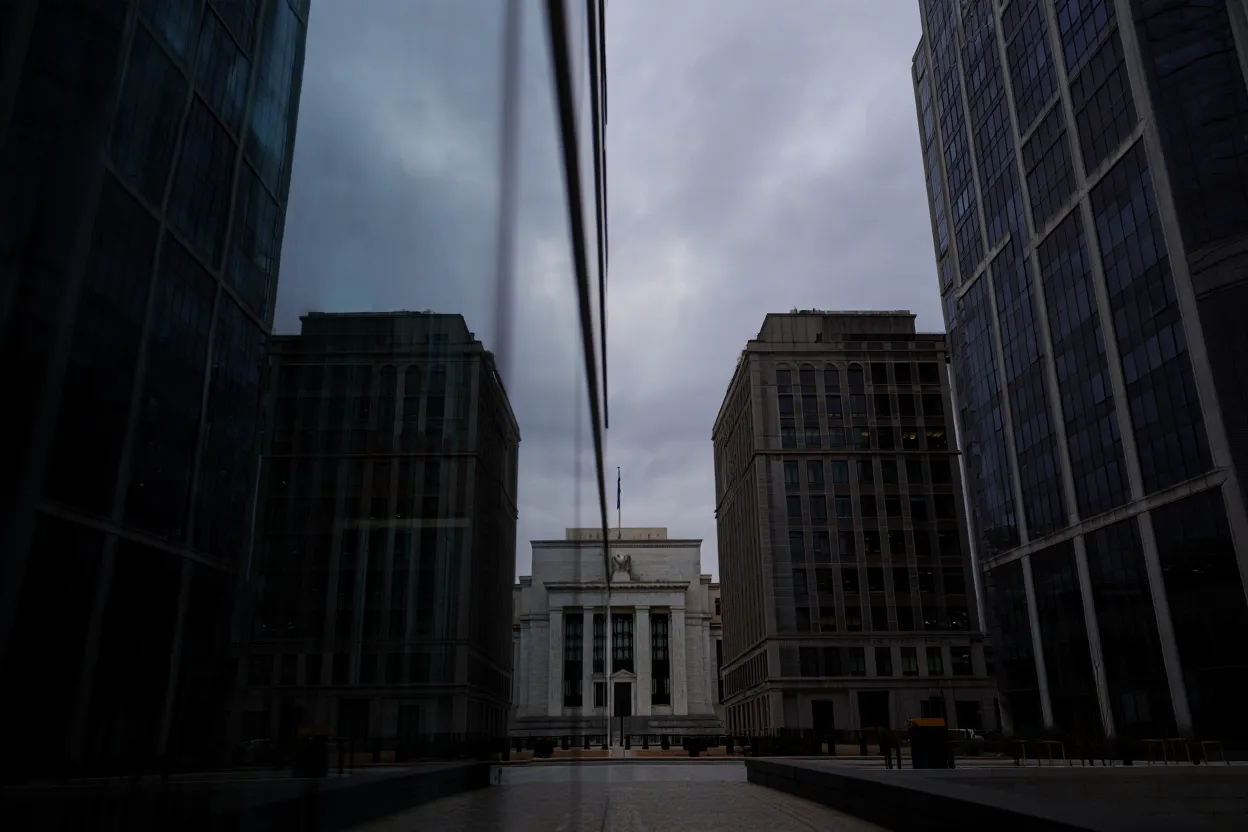
- The Federal Reserve, led by new Chair Kevin Warsh, is stepping back from providing forward guidance, signaling less transparency in policy direction.
- Fed inflation projections have moved higher, with 2026 PCE now expected at 3.6%, indicating continued restrictive monetary policy.
- This shift is poised to increase volatility, complicate refinancing, and force CRE investors to lean harder on fundamentals over Fed cues.
A Break From Predictable Policy
The Federal Reserve kept rates unchanged during its June meeting, a widely expected move, but it was the shift in communication under new Chair Kevin Warsh that grabbed CRE professionals’ attention. Bisnow reports that, for the first time in over a decade, the Fed is retreating from the detailed forward guidance that investors have come to depend on. Projections now show PCE inflation will climb to 3.6% through 2026, up significantly from earlier forecasts. For commercial real estate, this signals a longer period of restrictive monetary policy—and less clarity than before.
CRE market participants, watching refinancing pressures build, are increasingly concerned about unpredictability from both a rates and a policy standpoint. When combined with persistent inflation above the Fed’s target, the backdrop is now one where volatility—not only higher-for-longer rates—takes the lead for dealmakers and lenders.
Get Smarter about what matters in CRE
Stay ahead of trends in commercial real estate with CRE Daily – the free newsletter delivering everything you need to start your day in just 5-minutes
The End of Forward Guidance
Over the past decade, central bank transparency has helped CRE investors time their plays and price risk. Under Warsh, however, the Fed is intentionally closing that window. During his first post-meeting press conference, Warsh declined to submit a personal policy forecast, streamlined the policy statement, and sidestepped questions about the rate path. Fed officials’ latest dot plot points to a federal funds rate of 3.8% by year-end 2026, with half of the 18 board members expecting at least one more hike this year. Warsh abstained from this forecast, reinforcing his break from tradition.
The new approach is structural, not stylistic—five task forces have been established to reexamine communications, balance sheet policy, data sources, productivity, and inflation strategy. According to Dario Perkins at TS Lombard, the message is clear: markets should no longer expect the policy handholding they once relied upon.
CRE Refinancing and Lending Under Pressure
The immediate impact is being felt in refinancing and debt pricing. Lisa Pendergast of the Commercial Real Estate Finance Council told Commercial Observer there are $875B in CRE loans maturing this year, most at coupons near 4%. Now, lenders face a reality where the average rate for new CRE debt hovers at 6.2%. With the Fed unlikely to pivot, lenders may continue extending loans to avoid taking back assets, but as uncertainty grows, that tactic has a shelf life.
Even a 25-basis-point change is viewed as immaterial by many investors, according to Jay Neveloff at HSF Kramer, given the high bar for deal approval. Market players are recalibrating strategies for a world where the Fed has stopped doing their signaling—and where underwriting leans into current cash flow and conservatism, per CF Capital’s Tyler Chesser.
Why It Matters
For CRE, the impact goes beyond any single rate hike. The Fed’s new opacity arrives as 2026 inflation projections rise sharply. Forecasts now show inflation at 3.6%, up from 2.7%, with core PCE at 3.3%. That weakens rate-cut hopes, which many investors expected early this year. Lisa Pendergast noted that $875B in CRE loans mature this year. As a result, lenders face rising risk as “extend and pretend” reaches its limits.
Volatility could rise as the Fed offers less guidance. Capital markets may see wider bid-ask spreads, tighter lending, and fewer entry points for opportunistic capital. Sectors tied to floating-rate debt or weak NOI growth face greater pressure. Multifamily owners already face slower rent growth, which limits their cushion against higher debt costs. However, assets with inflation-linked rent escalations may hold up better. Still, higher pricing and risk premiums remain baked in, according to market strategists.
What’s Next
As Warsh’s task forces dig into reviewing Fed datasets, communications, and frameworks, CRE dealmakers can expect several quarters of policy transition—without the roadmap to which they’re accustomed. Until inflation shows material cooling, the consensus is that rate relief in 2026 is unlikely. Borrowers, especially those with loans maturing at sub-4% rates, may find refinancing terms less friendly, with lenders tightening standards or pushing up spreads. Look for increased volatility in markets that have historically depended on central bank signals, and for CRE strategies to further shift toward balance-sheet strength and in-place cash flow as proxies for risk—not Fed direction.