



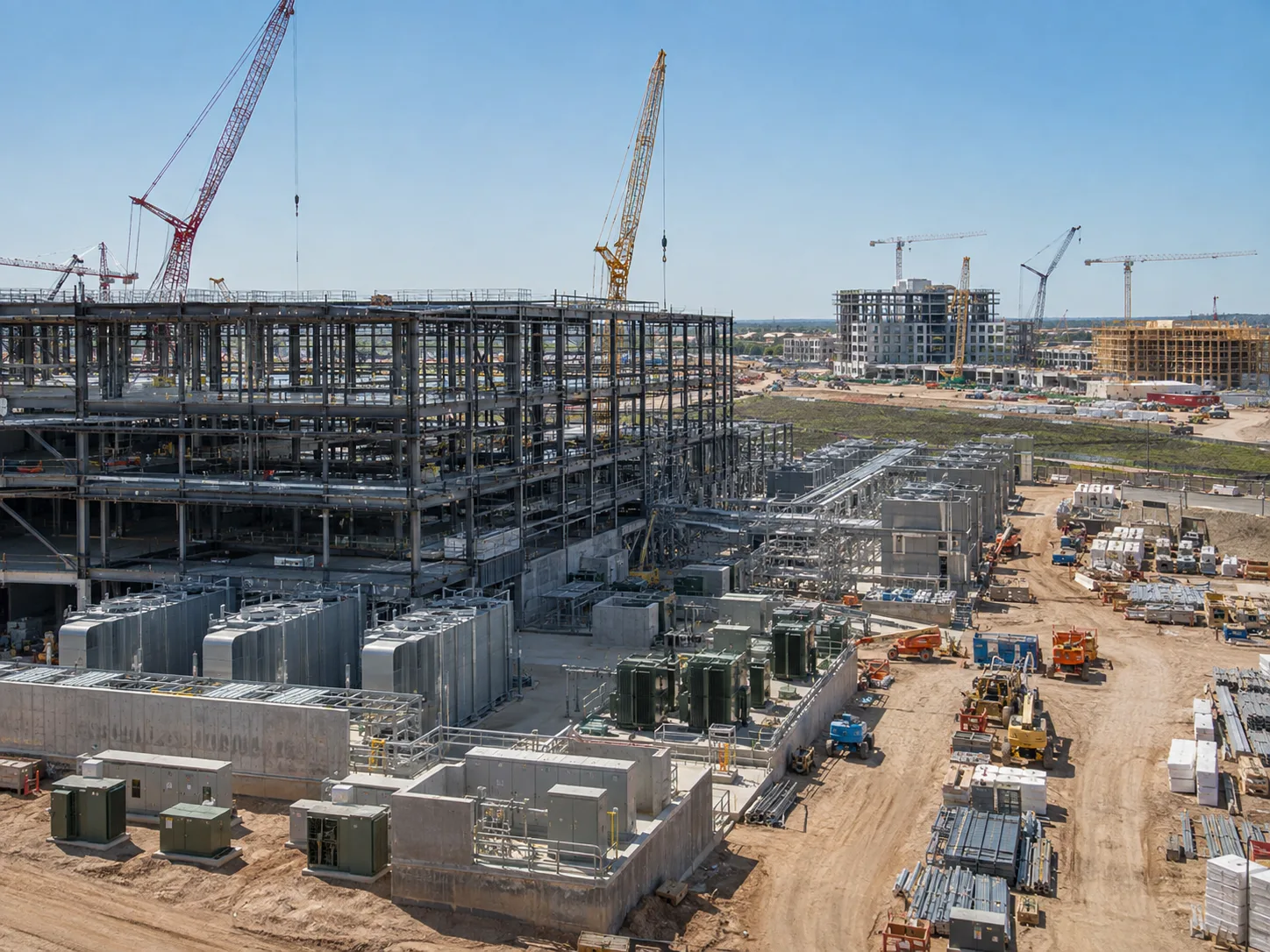
- J.P. Morgan estimates hyperscalers will spend $700B on data centers in 2026, intensifying competition for construction labor and materials.
- US construction input costs are up 9% annually, while July steel prices rose 22% and aluminum prices increased 40% year over year.
- Contractors are changing bidding, sourcing and contract practices as data center projects absorb subcontractors, equipment and routine material orders.
The data center buildout is creating a construction squeeze well beyond the sector itself. Bisnow reports that developers and contractors are losing labor and materials to data center projects. Hyperscalers are accelerating AI infrastructure spending at the same time. J.P. Morgan estimates Amazon, Meta, Oracle and other hyperscalers will spend $700B on data centers in 2026 alone.
Get Smarter about what matters in CRE
Stay ahead of trends in commercial real estate with CRE Daily – the free newsletter delivering everything you need to start your day in just 5-minutes
Materials and Labor Get Bumped
Developers say the pressure often appears through ordinary project delays. Wyatt Management lost a contracted plumber on a Central Texas restaurant project. The worker moved to a higher-paying data center job instead. The contractor also saw a routine truckload of light poles delayed after a supplier redirected inventory to a data center. Similar competition is affecting subcontractors, equipment and raw materials. Contractors now plan for the possibility that a reliable vendor or trade partner may suddenly prioritize a hyperscale project.
The Details
US construction input costs are up 9% annually and have been accelerating month to month. Steel and aluminum have faced a 50% import tariff since June 2025. In July, steel prices were 22% higher year over year and aluminum prices were up 40%. Data centers use about 1M tons of steel annually. The squeeze follows a broader rise in data center construction costs as tech infrastructure competes with conventional development. Diesel costs added another pressure point in the source, increasing transportation expenses across construction supply chains. The combined effect is higher pricing uncertainty across active project pipelines as developers try to lock budgets before costs move again.
Texas Feels the Pressure
Texas is especially exposed because it leads the country in both data center development and general construction. The state’s estimated data center pipeline exceeds $50B. Houston and Dallas continue to see major projects break ground, yet construction costs are rising with the national market. Karsten Interior Services is a Houston wall, framing and ceilings subcontractor. It doubled material spending from 2024 to 2025 while trying to keep pace with demand. Avison Young said price increases that had started to moderate are now accelerating again on a year-over-year basis.
Contractors Change Their Playbook
The operating response is moving earlier in the construction process. Karsten now discusses material availability during bidding instead of waiting until a contract is secured. The firm also checks with vendors and manufacturers roughly every three weeks about inventory and expected price increases. Wyatt Management is revisiting contracts to protect access to materials and subcontractors through project completion. The objective is to reduce the risk of losing critical inputs after a project has already been priced and scheduled. Aria Developers is also renegotiating subcontractor agreements as conditions change.
Why It Matters
Delays carry financing costs as well as construction costs. Aria Developers can put up to 40% of its own equity into projects. The balance is borrowed, so slower delivery can keep interest accruing while work stalls. The firm said a cheaper material order may cost more overall if delivery takes several extra months. Aria has kept delays to about 45 days, but doing so requires frequent subcontractor renegotiation. The source also notes that construction financing often uses variable-rate debt. Higher rates therefore compound the cost of longer project timelines. Projects with stronger rent economics are better positioned to absorb the higher cost base.
What’s Next
Some domestic steel projects could eventually add supply, but relief is not immediate. Avison Young cited a proposed Texas steel facility with initial production targeted for late 2029. US Steel also announced a $2B Arkansas plant expansion. Even if supply improves, Avison Young expects only limited price relief. Construction costs tend to moderate rather than reverse. Developers and contractors are planning around persistent competition from data centers, including tighter contracts, earlier sourcing conversations and more frequent vendor checks.