





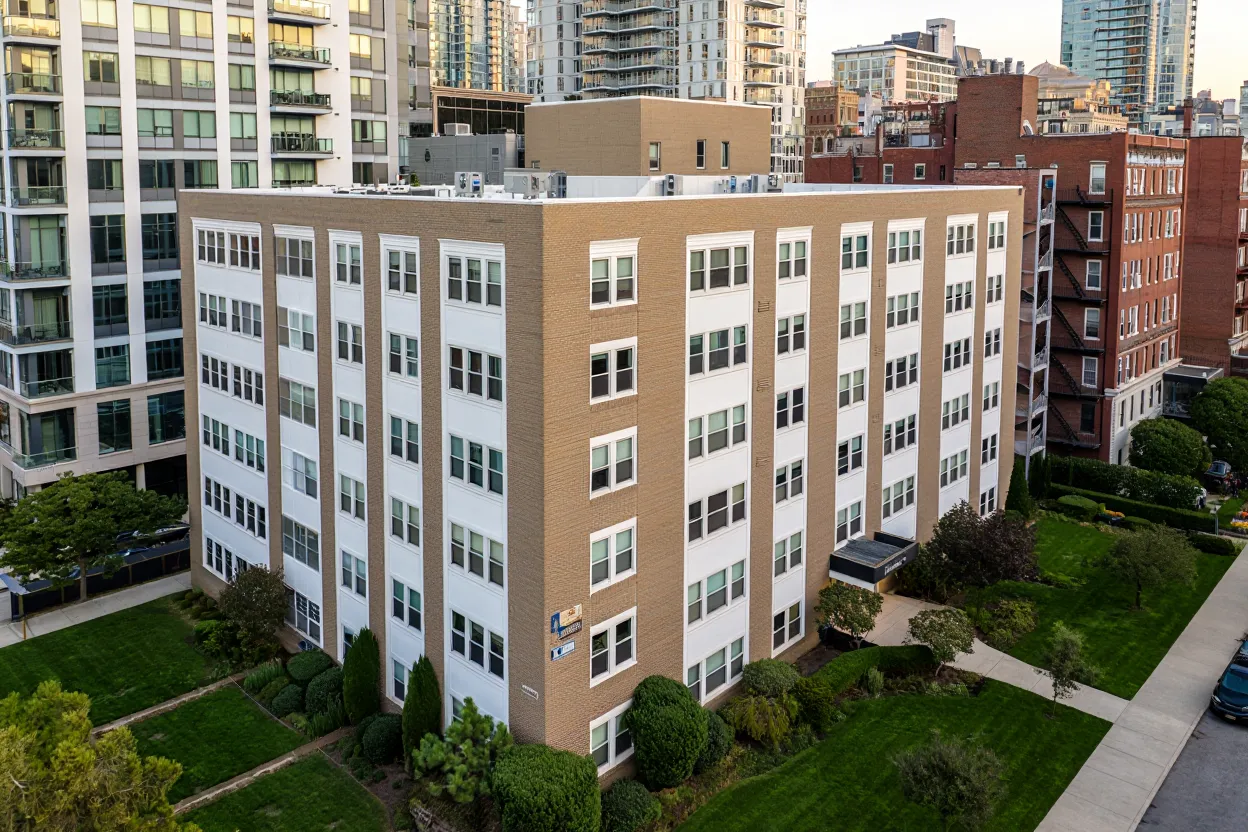



- Class B apartments are outperforming both Class A and Class C segments due to stable demand and lower risk exposure.
- Class B assets benefit from strong renewals, moderate turnover, and renters seeking long-term housing stability.
- Expense management, especially on insurance and operations, is crucial to sustain Class B’s income advantage.
- Investors are advised to focus on renewals and careful rehab strategies for Class B success in the current cycle.
Class B Emerges as a Safe Harbor
According to Globe ST, in the current multifamily landscape, Class B apartments are capturing investor attention as a reliable performer, according to recent analysis from Yardi Matrix. As new supply puts pressure on Class A luxury assets and affordability erodes for Class C tenants, mid-market Class B assets are holding up best, providing steady income and relatively resilient occupancy levels.
The Squeeze on A and C Segments
Current job market softness is impacting demand for high-end Class A apartments, while wage stagnation and expense inflation are driving up delinquencies in the lower-tier Class C space. Yardi Matrix vice president Jeff Adler notes that rent-to-income ratios have deteriorated most for lower-income renters, with both ends seeing limitations on absorption and financial stress, making Class B apartments more attractive.
Get Smarter about what matters in CRE
Stay ahead of trends in commercial real estate with CRE Daily – the free newsletter delivering everything you need to start your day in just 5-minutes
Renewals and the Self-Storage Effect
Nationally, new-lease rent growth is weak, but renewal leases show strong pricing power for Class B owners. This trend is especially visible in markets absorbing new supply, where rent growth is slowing as inventory expands, reinforcing the advantage of stable in-place tenants. Tenants are increasingly staying put, mirroring trends in the self-storage sector where long-term renters pay above-market rates. This low turnover helps protect operating margins and shields Class B properties from market volatility.
Expense Management and Strategic Upgrades
Operating costs, especially insurance premiums and utilities, have risen sharply since 2021. Adler advises operators to invest in resilience measures like improved roofing to control insurance expenses. Renovations should avoid over-positioning toward luxury, which could alienate Class B’s core renter demographic. Instead, targeted upgrades and a focus on renewal rent increases can sustain attractive returns.
What’s Ahead for Investors
Adler recommends prioritizing renewal strategies and careful underwriting for Class B holdings. As the market continues to digest new supply—particularly in Sun Belt metros—durable, modest income growth and stable occupancy in Class B apartments will remain a portfolio buffer against broader sector volatility.