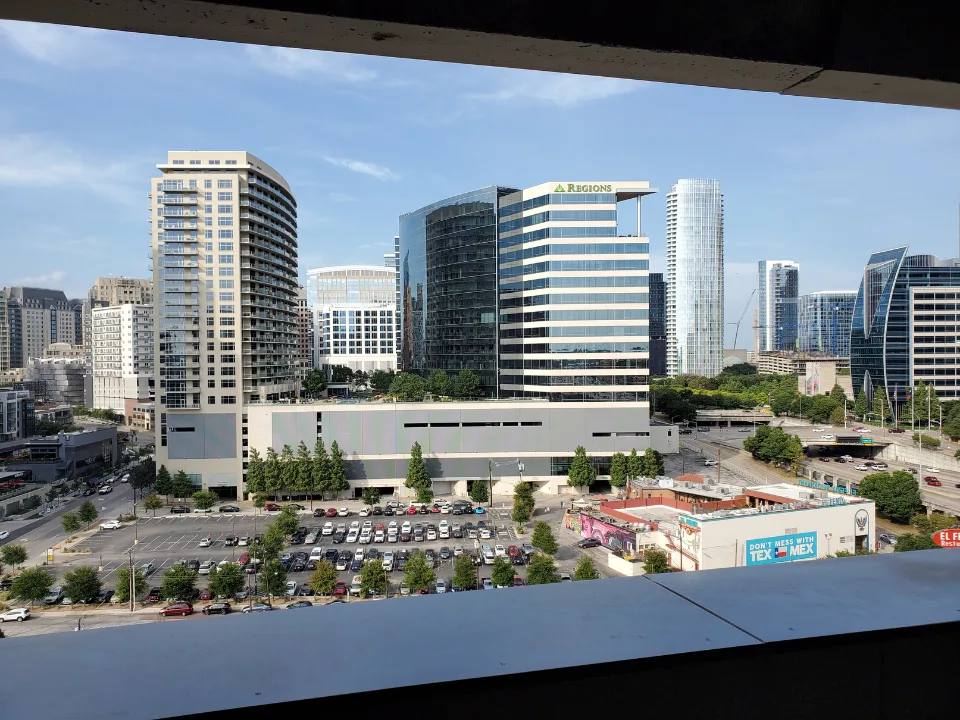





- Heightened tenant competition for premium office space is fueling above-average leasing velocity for landlords like BXP.
- Limited new construction and rising demand are enabling higher rents, with BXP reporting rents 15% above last year in some Manhattan assets.
- The shift is narrowing vacancy rates for top-tier offices, signaling renewed pricing power for major owners as the office market stabilizes.
Pendulum Swings in Landlords’ Favor
Top US office landlords are regaining leverage after years of competing aggressively for tenants. CoStar News reports stronger demand for premium offices in New York and San Francisco. Landlords including BXP, Kilroy Realty, Cousins Properties, and Vornado Realty Trust report growing tenant urgency for top-tier space.
That shift follows years of pandemic-driven downsizing, weak leasing, and abundant space. Premium landlords now move from defensive leasing to stronger negotiating positions.
CBRE data supports that trend. Tenants signed 62.4M SF of leases during the past year, up 16%. Meanwhile, developers started just 2.2M SF of new office projects, down nearly 45%. Stronger absorption and weaker supply continue tightening the premium office market.
Get Smarter about what matters in CRE
Stay ahead of trends in commercial real estate with CRE Daily – the free newsletter delivering everything you need to start your day in just 5-minutes
The Details
BXP signed more than 3M SF of leases during 2026. About two-thirds closed during Q2. Another 1.3M SF of signed leases will begin this year. The company expects portfolio occupancy to reach 90% by year-end.
In Manhattan, BXP’s new 46-story tower has surpassed 50% preleasing. The company continues negotiating large leases. It targets nearly 70% preleasing before the building opens in 2029. The project recently secured $1.2B in construction financing, reinforcing lender confidence in premium Manhattan office demand.
BXP executives told analysts Manhattan deal rents average about 15% above 2025 levels. Premium buildings command the strongest gains. Asking rents run roughly 60% above commodity office space. CEO Owen Thomas said new construction has “virtually halted,” strengthening landlords’ pricing power.
Premium Space Tightens as Construction Pauses
BXP’s results reflect broader market trends. Kilroy Realty also reports faster leasing for premium West Coast offices. The company sees conditions increasingly favoring major landlords. National net absorption has steadily improved since late 2025.
CoStar data shows the national office vacancy rate dropped below 14% for the first time in years. Trophy office vacancy sits near 8%. Limited construction keeps premium markets especially tight.
San Francisco and New York continue seeing fierce competition for quality offices. That demand pushes rents higher. Law firms, financial firms, and technology companies lead leasing activity. Return-to-office mandates and healthier balance sheets support demand. Overall vacancy remains above pre-pandemic levels, but premium offices have clearly recovered.
Why It Matters
Premium office landlords have regained pricing power after years of concessions and incentives. In Manhattan, BXP’s tower has exceeded rent expectations. Portfolio-wide pricing has increased 15% year over year during 2026. CoStar says premium tenants now pay about 60% more than tenants in lower-quality buildings.
Investors now face a sharply divided office market. Trophy assets continue attracting stronger pricing and leasing momentum. Commodity buildings without prime locations or modern amenities continue lagging.
Slower construction, stronger absorption, and lower premium vacancy improve sector fundamentals. Those trends support major REITs and institutional owners. If they continue, landlords may negotiate stronger lease terms through selective leasing.
Recovery remains uneven across the market. Many non-core buildings still struggle with weak demand and high vacancy. Kilroy CEO Angela Aman said the recovery “is not going to be a perfectly straight line.” For now, major cities and trophy buildings continue gaining the most leverage.
What’s Next
Landlords will closely monitor supply and tenant demand over the coming quarters. Projects like BXP’s Manhattan tower will test how far rents can rise before tenants push back. Limited construction, stricter return-to-office policies, and healthy demand could support higher occupancy and rents through 2027.
Analysts will watch whether pricing gains spread beyond trophy buildings. They will also track secondary assets for signs of broader recovery. Until then, owners of class A properties in major cities remain well positioned as supply stays limited and leasing momentum continues.