






- Andrea Gjini split a 166-unit Bronx project into two 99-unit buildings, called ‘485x twins,’ to avoid the wage scale 485x imposes at 100 units.
- REBNY found 19 new 99-unit filings in the second quarter versus just nine filings of 100 or more units, mostly subsidized housing.
- The workaround reflects how Bronx rents can’t yet support prevailing union wages, even as it forces developers into less efficient building designs.
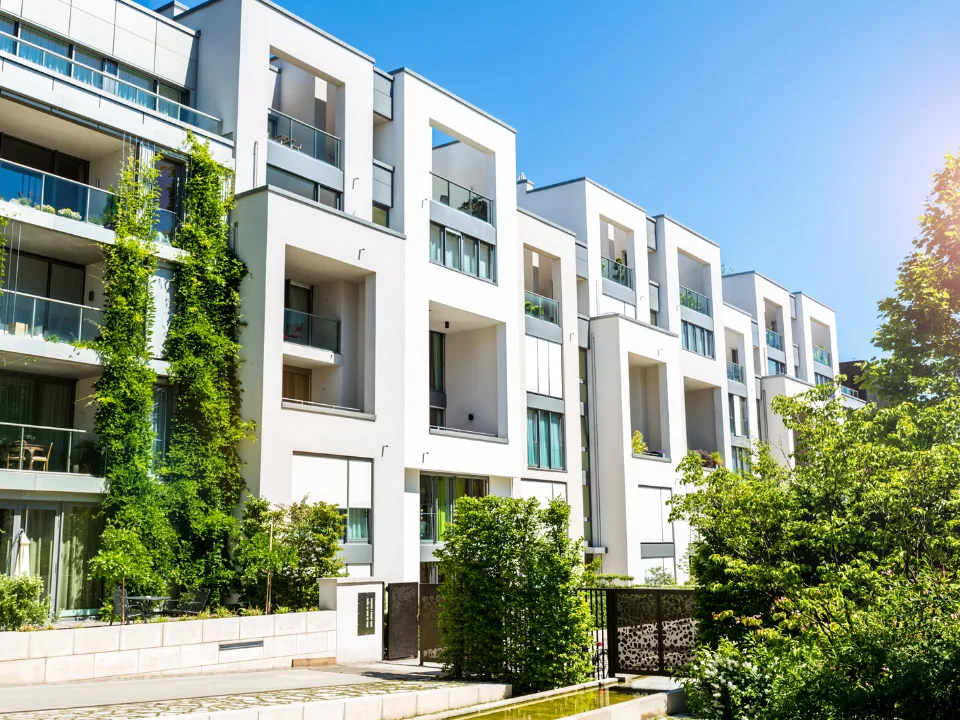
Andrea Gjini just delivered 166 units split across two Bronx buildings, capping each at 99 units to dodge the wage scale that New York’s 485x tax break imposes on projects of 100 units or more, according to The Real Deal. The 28-year-old Albanian immigrant says the workaround forces wasteful, duplicative design, but it’s the only way the math pencils out in the Fordham section of the Bronx.
Gjini’s project at 19 and 21 East 198th Street helped pioneer a structure now copied across the city for 99-unit projects that skirt the wage-scale threshold entirely.
Get Smarter About What Matters in New York
Subscribe to our free newsletter covering the biggest commercial real estate stories across the five boroughs — delivered in just 5 minutes.
A First Time for Everything
Gjini arrived from Albania eight years ago and immediately started building. “To build buildings is in my genetics,” he said. He bought the East 198th Street site in 2023, before 485x existed. The 421a tax break had already expired, leaving no clear path for market-rate Bronx multifamily projects.
“We were young and dumb,” he said. “I have so much energy. I was 25. I bought this property when there was no tax abatement at all. Everybody was thinking that I’m crazy.”
The deal came together after one of three Bangladeshi brothers approached him about selling several buildings on the block. The package also included properties owned by a Costa Rican and an Albanian owner. Gjini paid $9.3 million for five properties, provided they were vacant at closing. He personally helped relocate tenants, including young families and seniors. In some cases, he even co-signed their new leases.
The Details
The wage floor 485x triggers at 100 units, starting at $40 an hour and reaching $72 at 150 units. Violating the threshold can put a project at risk. For Gjini, that means keeping the building below 100 units. “If we build 100 or more units, you are restricted to different contractors,” he said. “If we go in that direction, and pay those wages, the pencil is not going to write the right numbers and the deal is going to be at risk of falling apart.”
His tax advisor urged him to list the project as 98 units rather than 99 to avoid drawing scrutiny; regulators haven’t challenged the structure.
Twenty percent of the apartments will be affordable at 80% of area median income, with funding from Kearny Bank and Northeast Community Bank. An in-house general contractor, architect and property manager save him an estimated 10% to 12% on costs. He also added a fully automated laundromat on the ground floor for extra revenue. A month-long delay getting utilities connected cost him $200,000.
Zooming Out
The Real Estate Board of New York found 19 new 99-unit project filings in the second quarter. Developers filed just nine projects with 100 units or more. Most of those larger projects were subsidized affordable housing and did not depend on 485x.
The trend follows a permitting surge since 485x replaced 421a in April 2024.
REBNY first flagged the trend in July 2025. Its report found 28 similar buildings filed over four quarters. That was more than double the total filed during the previous 16 years combined. Gjini did not start the trend, but he became one of its early examples.
Why It Matters
The 99-unit strategy shows how New York’s 485x program is shaping building design. The impact is especially clear in outer-borough markets where rents cannot support union-scale wages.
Construction union leaders pushed for the wage requirement. They continue to urge lawmakers to close the loophole. If they succeed, the change could reshape underwriting for Bronx and other outer-borough multifamily projects.
For now, developers say two buildings under 100 units can make more sense in neighborhoods like Fordham. That approach means paying for two foundations, elevator cores, and sets of permits. “It’s way easier to build one foundation,” Gjini said. But without the workaround, developers say the alternative may be not building at all.
What’s Next
Gjini plans to lease the remaining market-rate units and refinance the project. He said leasing has been strong so far. “I’m pretty confident,” he said.
With 99-unit projects becoming increasingly common, watch whether Albany revisits the wage-scale threshold. Any change could force developers like Gjini to rethink outer-borough projects already in the pipeline.