



- Blackstone is exploring a secondary sale for investors in a US real estate fund with roughly $11B in net asset value.
- The broader $57.7B Blackstone Property Partners strategy has cut some management fees and recently shown signs of improved performance.
- High rates and lower property values have slowed redemptions across open-ended real estate funds, pushing managers toward new liquidity options.
Blackstone is trying to create a new liquidity path for investors in one of its major real estate vehicles. Bloomberg reports the firm has held buyer discussions around a secondary process for a US fund managed by Blackstone Property Partners. The vehicle has roughly $11B in net asset value. A completed transaction would let some existing investors sell their interests without waiting for the fund to generate cash through asset sales, fundraising, or financing.
Investor sales in the secondary market are common, but Blackstone is taking a more formal role in arranging this process. That involvement could help coordinate buyers and sellers around a vehicle where investors otherwise depend on periodic fund liquidity.
Get Smarter about what matters in CRE
Stay ahead of trends in commercial real estate with CRE Daily – the free newsletter delivering everything you need to start your day in just 5-minutes
Blackstone Fund Redemptions Put Liquidity Under Pressure
The move follows several difficult years for open-ended property funds. Interest-rate increases that began in 2022 pushed commercial real estate values lower and encouraged more investors to request withdrawals. At the same time, fund managers became less willing to sell assets at discounts simply to meet those requests.
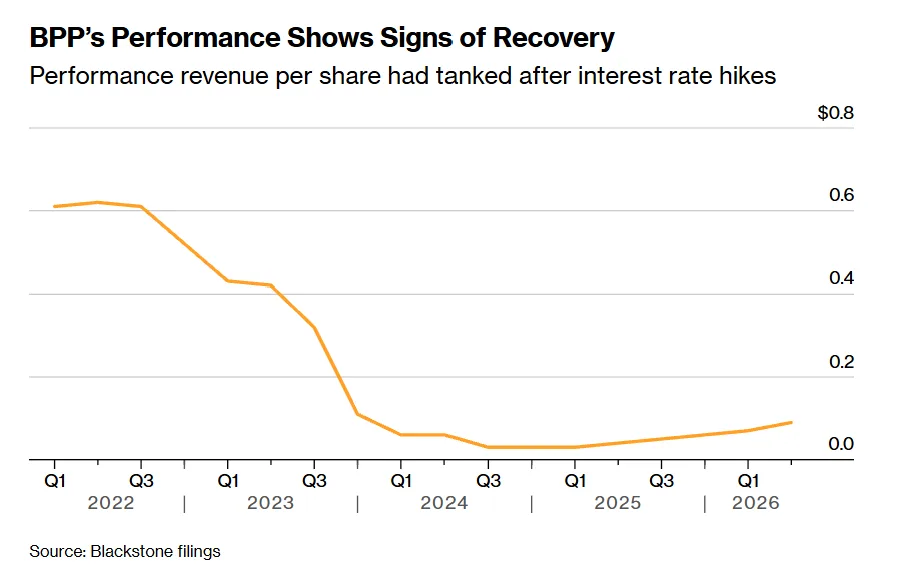
Blackstone has been working to retain capital across its $57.7B Blackstone Property Partners strategy, which includes several funds. A California pension document showed BPP cut management fees by 30% for investors that kept redemption requests below a specified level. The funds have since shown early signs of improving performance.
Open-ended structures can create a timing mismatch when withdrawals rise faster than liquidity. BPP investors can request quarterly redemptions, but the fund still needs cash before those requests can be satisfied. A manager-led secondary process offers another route without requiring immediate sales of underlying properties.
The Details
BPP’s perpetual funds raise institutional capital and do not have a fixed termination date. They invest across industrial, office, residential, and other property types. Holdings cited in the source include Manhattan’s Stuyvesant Town-Peter Cooper Village and student-housing owner American Campus Communities. The strategy’s largest exposure is to data centers and digital infrastructure.
Investors typically have quarterly redemption opportunities without a set limit on requested withdrawals. However, investors seeking cash still depend on the fund having enough liquidity. That liquidity can come from property sales, new fundraising, or other financing.
Data Centers Support Improving Returns
Blackstone said positive momentum in its US core-plus strategy has been supported by greater data-center exposure and a broader real estate recovery. The sector has benefited from the artificial-intelligence-driven buildout of digital infrastructure. Still, the recovery remains incomplete. A JPMorgan report cited by Bloomberg put real estate values about 25% below their previous peak.
Blackstone’s individual-investor vehicle, BREIT, shows how liquidity conditions can change. BREIT began limiting redemptions in late 2022, later raised more than $4B from the University of California Regents, and returned to full redemptions in 2024. It recorded net inflows in February 2026 for the first time since 2022. BREIT returned 11.2% to investors over the past 12 months, according to a person cited by Bloomberg.
Why It Matters
The proposed transaction would formalize a path that usually happens investor to investor in the secondary market. It also reflects ongoing fund redemption pressure in vehicles holding property assets that can take time to sell.
Blackstone is not alone in testing alternatives. Invesco recently offered investors in its US core real estate fund a chance to exit through a tender offer. It also reduced management fees, another sign that managers are competing to retain capital.
What’s Next
Blackstone has held conversations with potential buyers, but the source does not identify transaction size, pricing, or timing. The key question is whether a secondary process can provide meaningful liquidity while the underlying portfolio continues to recover. For BPP, stronger data-center performance and improving property values could also reduce future redemption pressure. The conversations indicate Blackstone is testing whether outside buyers will absorb interests from investors seeking liquidity.