




- Chicago logged 6.1M SF of industrial net absorption in Q2 2026, marking its strongest quarter since 2023, per CBRE.
- Eight leases over 750K SF—including major KeHE and Hyundai Translead deals—helped Chicago rank third in total US industrial leasing.
- Surge in big-box demand, data center expansion, and rising rents position Chicago’s industrial sector for continued growth and competition.
Big-Box Surge Lifts Midwest Industrial Hub
Bisnow reports that Chicago’s industrial sector posted a standout performance in the first half of 2026, with net absorption hitting 6.1M SF in Q2 alone. According to CBRE, that figure is more than five times Q1’s total and over eightfold compared to Q2 2025. The strong showing puts Chicago back near the 2023 peak, pointing to robust demand particularly for bulk distribution space.
Sector insiders say owners and developers with a forward-looking strategy have already secured land or have speculative projects in play—especially for larger-format bulk product increasingly sought by major occupiers. The momentum is coming not just from traditional warehousing, but logistics, packaging, and the growing data center supply chain.
Get Smarter about what matters in CRE
Stay ahead of trends in commercial real estate with CRE Daily – the free newsletter delivering everything you need to start your day in just 5-minutes
The Details
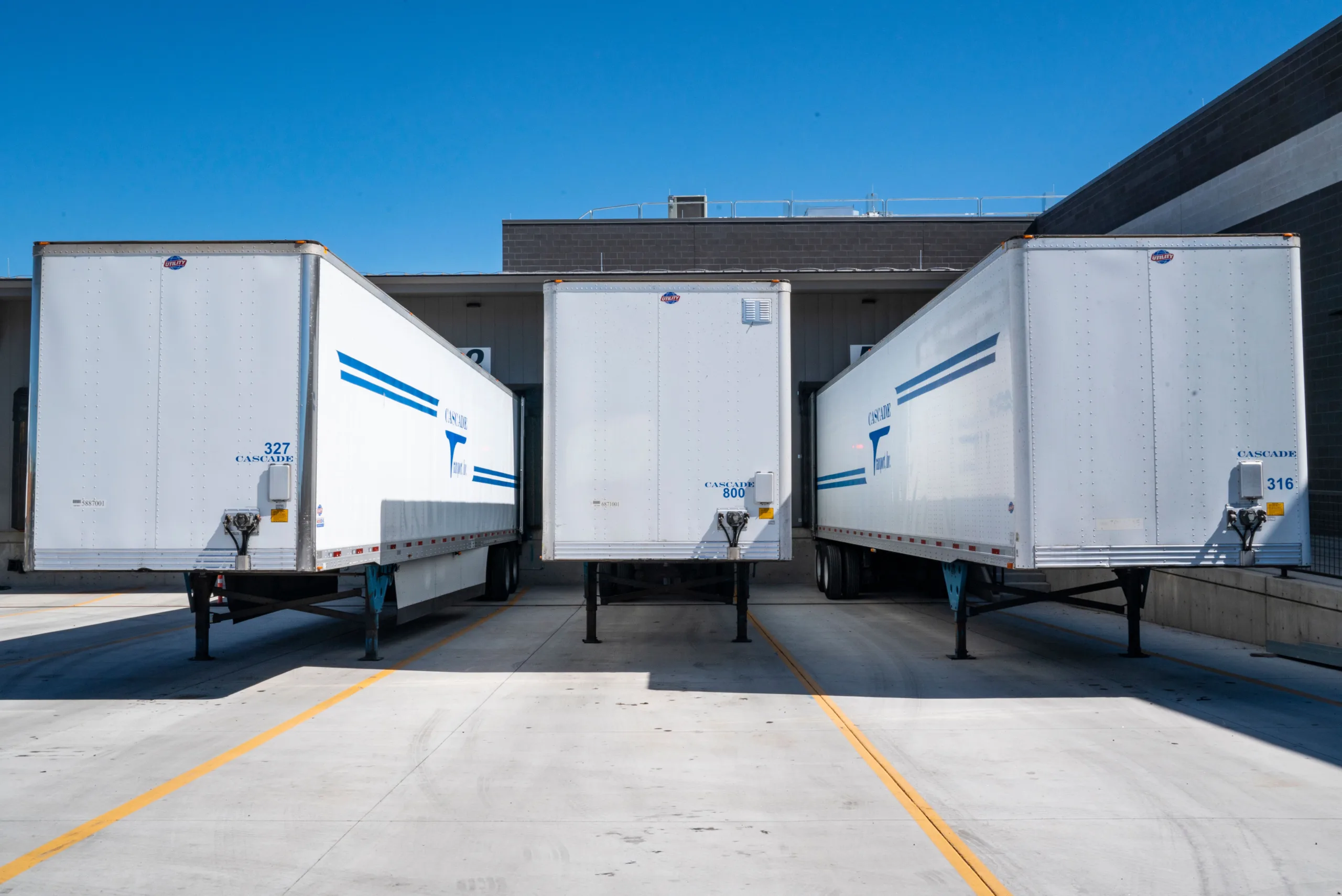
CBRE’s tally of the 100 largest US industrial leases in the first half of 2026 ranked Chicago third in total SF leased, at 9.4M SF—trailing only Southern California and Dallas-Fort Worth. Eight new leases in excess of 750K SF were executed in the region during this stretch. KeHE Distributors inked the period’s biggest deal at 1.2M SF in Joliet, while Hyundai Translead signed for 900K SF in Channahon.
Four of Chicago’s nine top leases this year were renewals, compared to only six deals at 4.9M SF total in H1 2025. Asking rents have followed demand, rising 7.4% year-over-year to $9.33 PSF—well above the 2.1% national average cited by CBRE. The market is particularly tight for tenants seeking bulk distribution accommodations above 850K SF, following a broader national trend where big-box warehouse leasing has helped tighten vacancy for newer large-scale industrial properties.
Chicago Multifamily Supply Tightens
Industrial demand is colliding with a land grab driven by the data center boom. Nationally, land sales earmarked for data center development hit $3.3B in Q1 2026 (CBRE), up 141% from the same period in 2025. In some Chicago submarkets, power-hungry, automation-ready users are driving up land and building costs, as speculative development of next-generation warehouses tries to keep pace.
Adding to the competition, data center projects command nearly a third of total US development capital deployment, squeezing industrial supply further. Owners are also seeking product differentiation by adding advanced features like truck court circulation and upgraded dock equipment, especially as tenants value operational efficiency and automation-readiness.
Why It Matters
Chicago’s ranking as the third-busiest industrial leasing market in the US signals not only strong local demand, but also intensifying competition between traditional industrial users and data center developers. According to CBRE, net absorption in Q2 2026 was more than five times Q1’s figure, underlining a major rebound just as much of the national market still contends with oversupply and softer demand.
Asking rents have spiked 7.4% year-over-year, outpacing the US average and pointing to tightening conditions, especially for big-box distribution deals that now make up the bulk of regional leasing activity. Developers finding success are those who secure land in power-supplied, zoned zones, often speculatively, rather than relying on build-to-suit deals.
Meanwhile, the growing presence of data center users—accounting for about 30% of all US site acquisition capital in Q1 2026—ensures continued upward pressure on land and building costs. For owners considering repositioning or redeveloping assets, the surging overlap between industrial and digital infrastructure tenants creates both opportunity and complexity. Institutional investors, REITs, and local developers are all angling to capture a share of what is now one of the hottest industrial markets in the country, but the shortage of space above 850K SF could push further rent growth and speculative building.
What’s Next
Chicago is expected to see a continued ramp-up in speculative industrial development, especially for large spaces catering to logistics, data center support, and automation-focused tenants. The tight supply profile—coupled with sustained absorption and record-high rents—positions the market for ongoing upward price pressure.
Institutional players are likely to remain aggressive on land purchases for both industrial and data center projects, with submarkets offering power and zoning flexibility seeing heightened competition. As infrastructure needs for automation and digital infrastructure rise, Chicago’s industrial landlords will need to focus on adaptability to maintain an edge in an evolving landscape.