



- Apartment market supply dropped to 2016 levels as new deliveries fell 30% year-over-year.
- Vacancy rates remained stable at 9.4%, showing little change over the past year.
- Net absorption slowed by 34% year-over-year but matched historic averages.
- Class A properties outperformed, while Class B and C assets saw rising vacancy.
Development Activity Cools
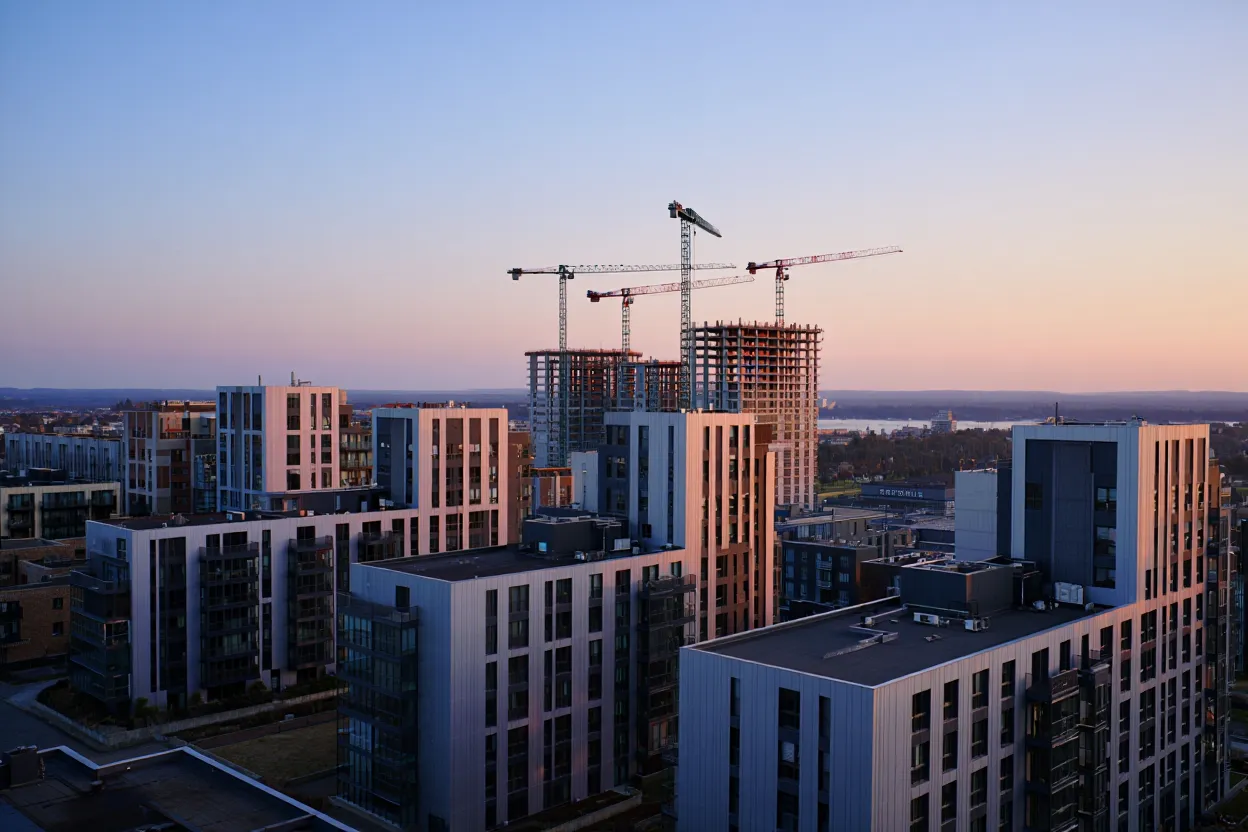
Globe St reports that the multifamily housing sector entered 2026 with notable declines in new supply. According to Cushman & Wakefield, new apartment deliveries dropped by about 30% year-over-year. Construction activity is now at its lowest point since 2016, as fewer projects are breaking ground, and less inventory is scheduled to enter the market in the near term.
Vacancy Rate Holds Firm
Despite the supply slowdown, national apartment vacancy held at 9.4% for the quarter. This stability reflects a balance between softer demand and reduced supply. Net absorption fell 34% year over year. At the same time, broader rental trends show early signs of stabilization across key markets, reinforcing this balanced outlook. This dynamic leaves the market neither tightening nor loosening in aggregate.
Get Smarter about what matters in CRE
Stay ahead of trends in commercial real estate with CRE Daily – the free newsletter delivering everything you need to start your day in just 5-minutes
Market Performance Diverges
Performance split across property classes and regions. Class A properties saw improved occupancy as renters relocated to higher-end units. In contrast, Class B and C assets posted higher vacancy rates. Regionally, demand was strongest in Phoenix, Dallas/Fort Worth, New York, Austin, and Charlotte. Ultra-luxury segment rent growth continued to outpace the broader market as the national average slowed to 0.9% in the past year.
Outlook: Gradual Stabilization
With construction activity at decade lows, apartment market supply pressure is expected to decrease further. This shift could help stabilize occupancy rates and potentially support firmer rents later this year, even as near-term pricing power remains limited by tepid demand trends.