



- Airbnb is launching a $250M Housing Accelerator to provide below-market gap financing for multifamily housing projects.
- The first investment is $6.4M toward roughly 200 affordable units at Austin’s planned St. John redevelopment.
- Airbnb expects to recycle repayments into more projects and says the initial capital could help mobilize $5B over a decade.
The Wall Street Journal reports that Airbnb is committing an initial $250M to housing construction. The company’s Housing Accelerator financing program will target multifamily projects with funding shortfalls. Affordable and mixed-income developments will receive priority. Airbnb said its returns will be below market rates. The program will focus mainly on the US, although the company has not ruled out other markets.
Get Smarter about what matters in CRE
Stay ahead of trends in commercial real estate with CRE Daily – the free newsletter delivering everything you need to start your day in just 5-minutes
Airbnb Housing Fund Targets Stalled Deals
Developers will apply through the accelerator’s website for gap financing. Airbnb plans to recycle repayments into additional housing projects. Program director Daniel Hornung said individual investments will generally equal about 10% of a project’s capital. He expects the initial $250M to translate into $5B of capital over a decade. The goal is to fill financing holes that can prevent projects from reaching construction. Industry veterans told the Journal that this type of capital can also attract other investors.
The Details
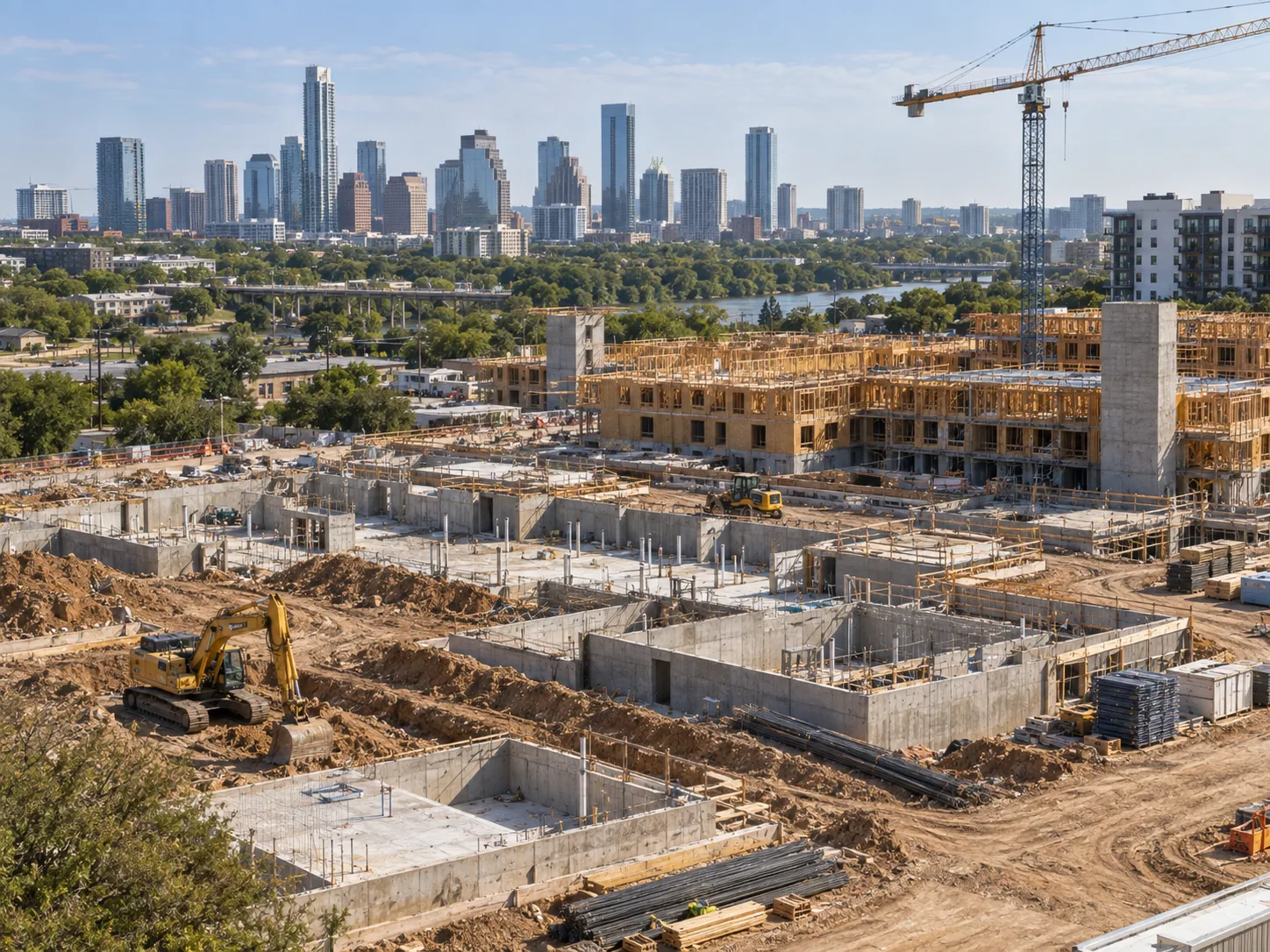
The first commitment is $6.4M for around 200 affordable units in Austin’s St. John neighborhood. Those units are part of a broader redevelopment planned on a 20-acre tract. A Home Depot and car dealership previously occupied the site. Austin bought the land more than a decade ago and originally considered government facilities. The parcel later sat vacant. Airbnb selected the project partly because city and state lawmakers changed regulations to encourage home construction.
Austin Becomes the First Test
Project financing became less stable after interest rates rose and Austin rents fell, Council member Chito Vela said. Airbnb’s capital will support the affordable housing portion of the redevelopment. Residents in those units cannot list them for short-term rental. Hornung said the program is intended to improve housing affordability, not expand Airbnb inventory. Affordable housing projects are the accelerator’s first priority. Airbnb said the Austin investment is meant to demonstrate a model that can be repeated elsewhere.
Housing Costs Shape the Strategy
Airbnb and the broader short-term rental industry have faced criticism over housing affordability. Critics argue that short-term rentals can remove homes from the long-term market. Some cities have responded with tighter restrictions. CEO Brian Chesky said the company wants to offer solutions after years of debate over its role. He also argued that Airbnb units represent only a fraction of total housing. According to Chesky, city bans have not caused home prices to fall. Airbnb reported $2.5B of net income on $12.2B of revenue last year. That balance-sheet capacity gives the company room to test a financing role beyond its core marketplace business.
Why It Matters
Affordable housing deals are sensitive to higher borrowing costs because rents are restricted. Former HUD Secretary Shaun Donovan said rising rates reduce the amount of market-rate capital these projects can support. That leaves a larger funding gap. Estimates of the US housing shortage range from roughly 2M to 10M units, he said.
Donovan also said gap financing can unlock much larger capital commitments. Still, nationwide housing needs will require tens of billions of dollars. Donovan said money alone will not solve the shortage. The scale of the problem also depends on land-use rules, construction costs and the ability to move projects through local approval processes.
What’s Next
Airbnb will solicit more developer applications and may eventually expand beyond the US. The initiative will also support advocacy around zoning, permitting and building codes. Airbnb plans an open-source data set that tracks housing policies. It will also launch a $5M competition for companies or nonprofits developing homebuilding technology. The company intends to reinvest recovered capital, extending the program beyond the first round of commitments. Hornung said Airbnb wants its investments to be catalytic and demonstrate financing models that can work elsewhere. The Austin project will provide an early test of that approach.