




- A Suffolk-MIT analysis found AI could have cut one multifamily project’s construction costs by 17% to 20%.
- The same project could have finished 22% to 25% faster, with modeled gains to IRR and yield on cost.
- Contractors are already using AI and robotics for site monitoring, planning, estimating, scheduling, and quality control.
Artificial intelligence could materially change project economics if contractors scale adoption, CoStar News reported. A new construction AI study from Suffolk and MIT found potential cost and schedule savings on a completed multifamily project.
Get Smarter about what matters in CRE
Stay ahead of trends in commercial real estate with CRE Daily – the free newsletter delivering everything you need to start your day in just 5-minutes
The Details
The researchers analyzed a San Francisco multifamily development completed between 2021 and 2024. They estimated AI could have reduced construction costs by 17% to 20%.
The same project analysis estimated building time could have fallen 22% to 25%. The study identified process automation, scheduling, and project feasibility analysis as the largest opportunities.
Suffolk and MIT also modeled meaningful developer returns from those savings. The report estimated a 5- to 6-point increase in unlevered internal rate of return and a 1- to 2-point lift in yield on cost.
AI Is Already Reaching Job Sites
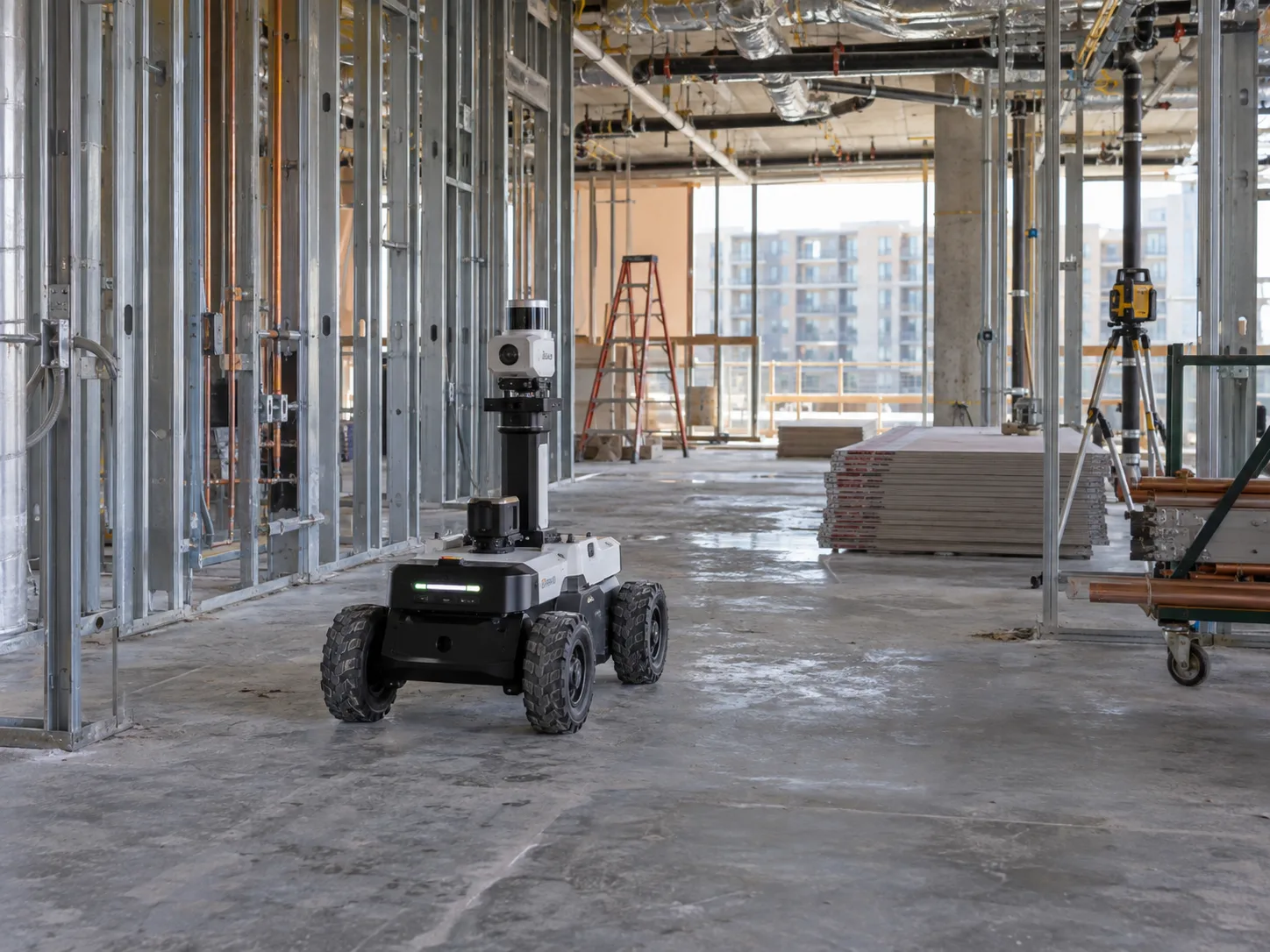
Construction companies are beginning to show practical uses beyond forecasting. Skanska deployed Nextera Robotics equipment at Kaye, its 31-story, 324-unit apartment tower in Seattle’s Belltown neighborhood.
The robots captured 360-degree images and video, then fed them into an AI model. The system helped identify safety issues and compare field conditions with plans and digital blueprints.
Skanska said the process saved its construction team up to 40 hours per week. The project opened last year, and Skanska was not directly involved in the Suffolk-MIT study.
Cordillera Homes has also used AI for planning, design coordination, schedules, and budget reviews. Its finance chief told CoStar that faster delivery can save money across projects.
The field examples also show different entry points for contractors. Some firms are building dedicated systems, while others are adopting AI through existing construction software and robotics vendors.
Where the Savings Could Come From
The report says 75% of construction projects experience cost overruns. It also estimates US labor inefficiency wastes $30B to $40B each year.
Suffolk and MIT identified six areas for AI-driven savings. They include design automation, offsite manufacturing, permitting, scheduling, skilled labor and subcontracting, plus supply chain and procurement.
Permitting is one example of the industry’s fragmentation. The report counted more than 20,000 independent US permitting agencies, which can slow and complicate application processes.
AI-enabled robotics may also take repetitive factory tasks such as rebar assembly. That could leave workers focused on tasks requiring more judgment on site.
The study also highlights technical drawing review, risk forecasting, and workflow integration as time-intensive tasks that AI can accelerate. Those uses target coordination work before problems reach the field.
Offsite prefabrication and modular construction could also benefit from AI planning. Better coordination can reduce congestion and overlapping work when components reach the job site.
Why It Matters
For developers, construction costs remain one of the clearest pressure points AI could target. Suffolk’s analysis links potential savings directly to project viability and profitability.
McKinsey estimates cited in the report put potential AI and generative AI value for US homebuilders at $18B annually. That equals about 10% of the sector’s revenue.
However, the technology is not automatic. Consultant Erin Khan said results depend on implementation quality, process knowledge, collaboration, and better data sharing across project teams.
The potential benefit extends beyond cutting direct expenses. Faster completion reduces the period before a project can open, lease, and begin producing revenue.
What’s Next
Adoption remains uneven. Larger contractors often make dedicated technology investments, while smaller firms increasingly access AI through platforms such as Autodesk and Procore.
MIT’s James Scott said the next step is building a stronger evidence base around where AI works and where limits remain. Suffolk CEO John Fish also called for wider integration across planning and delivery.
Khan said smaller contractors are already gaining access as major software platforms embed AI into their products. That lowers the barrier to experimentation outside the largest construction companies.