



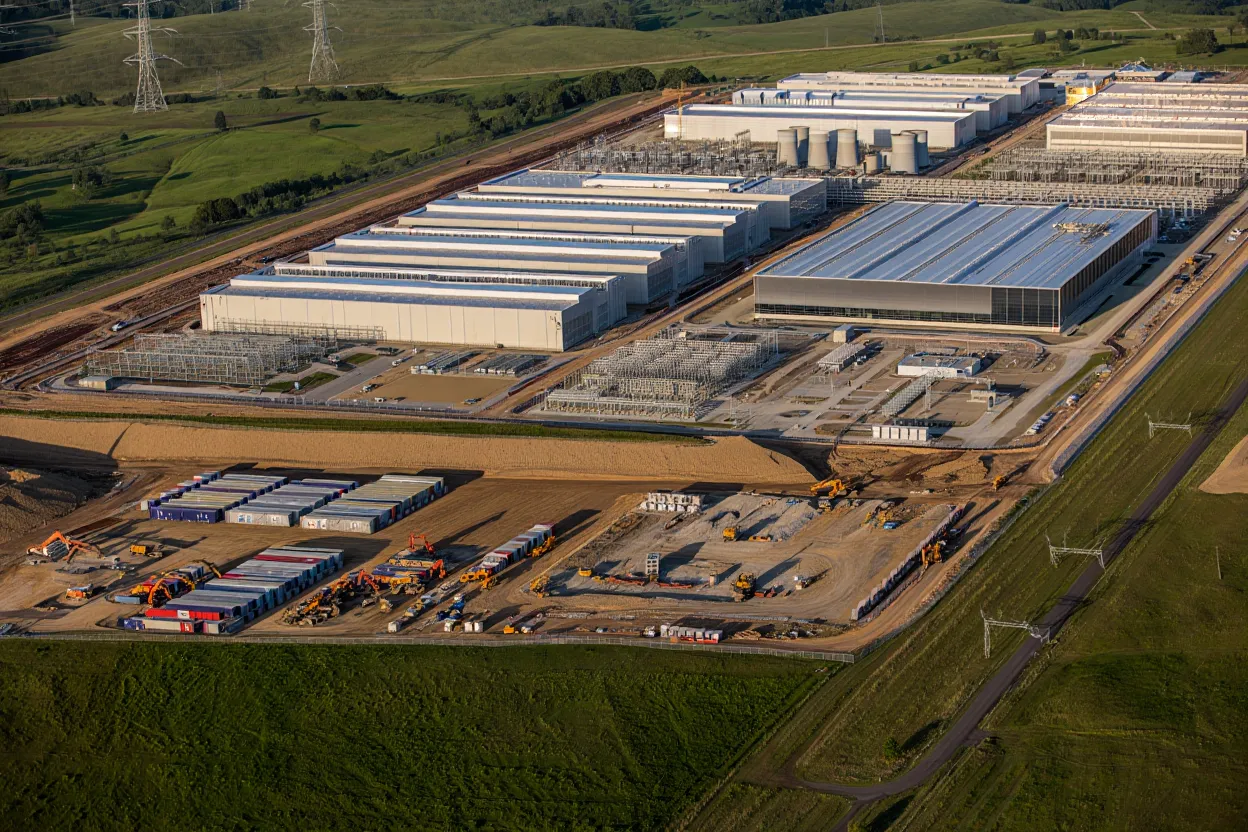



- 144A private placements are rapidly becoming the preferred financing vehicle for large-scale US data center projects.
- Major investors like Blue Owl and Pimco have committed over $40B to new preleased data centers through this debt structure since late 2025.
- Institutional demand remains strong, positioning data centers as quasi-infrastructure assets despite lingering AI concentration risks.
Private Credit Finds a New Engine in Data Centers
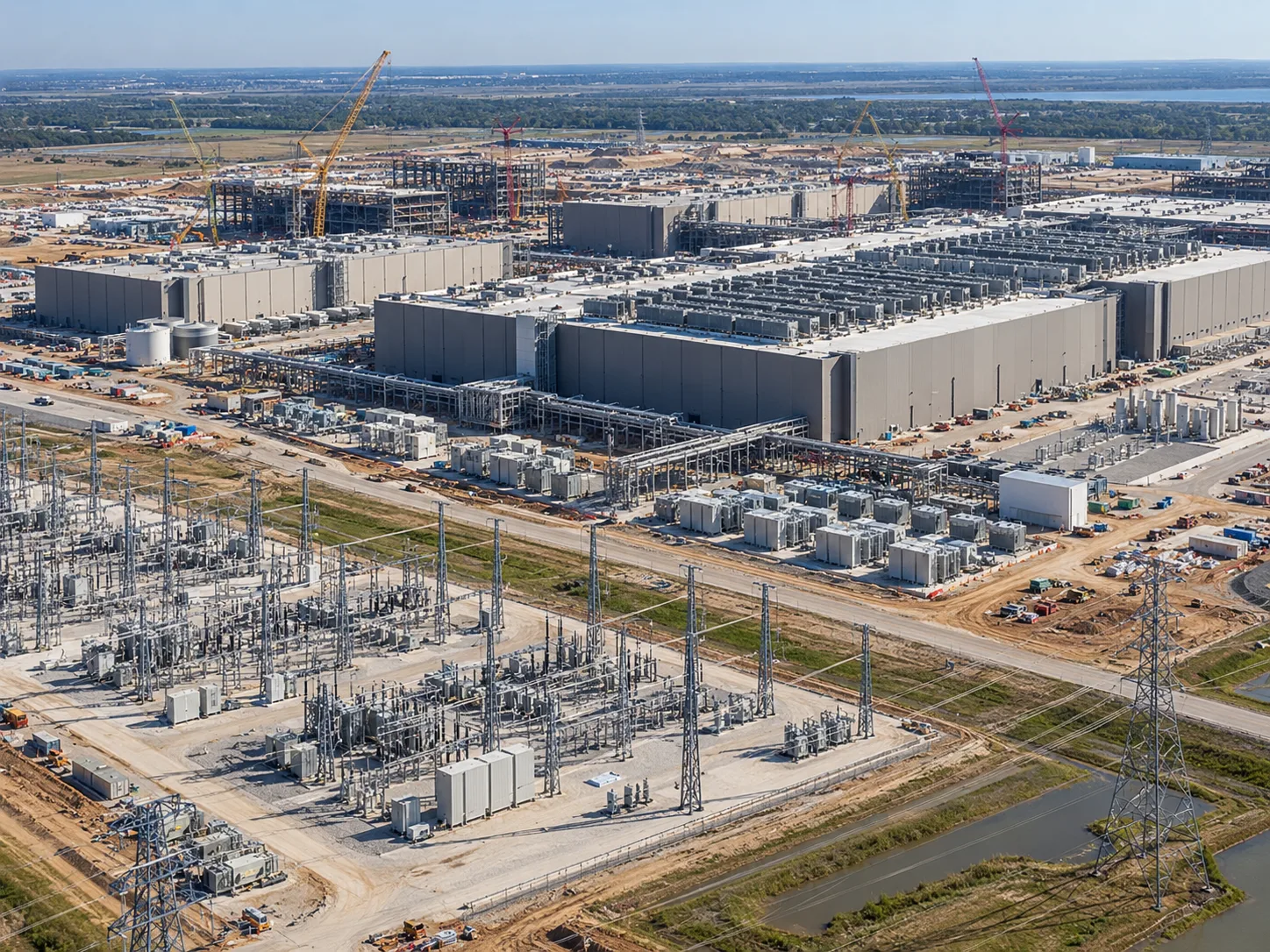
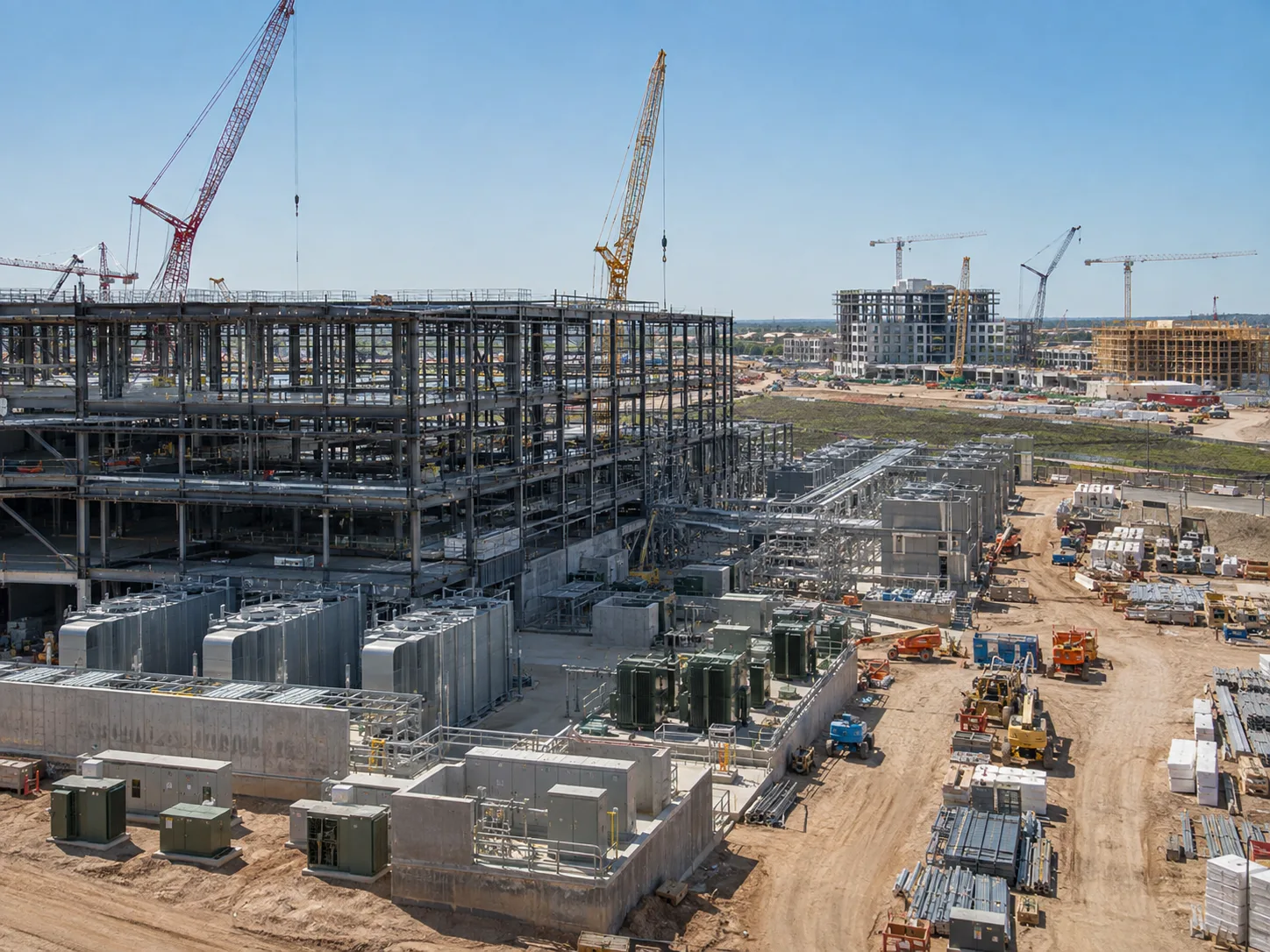
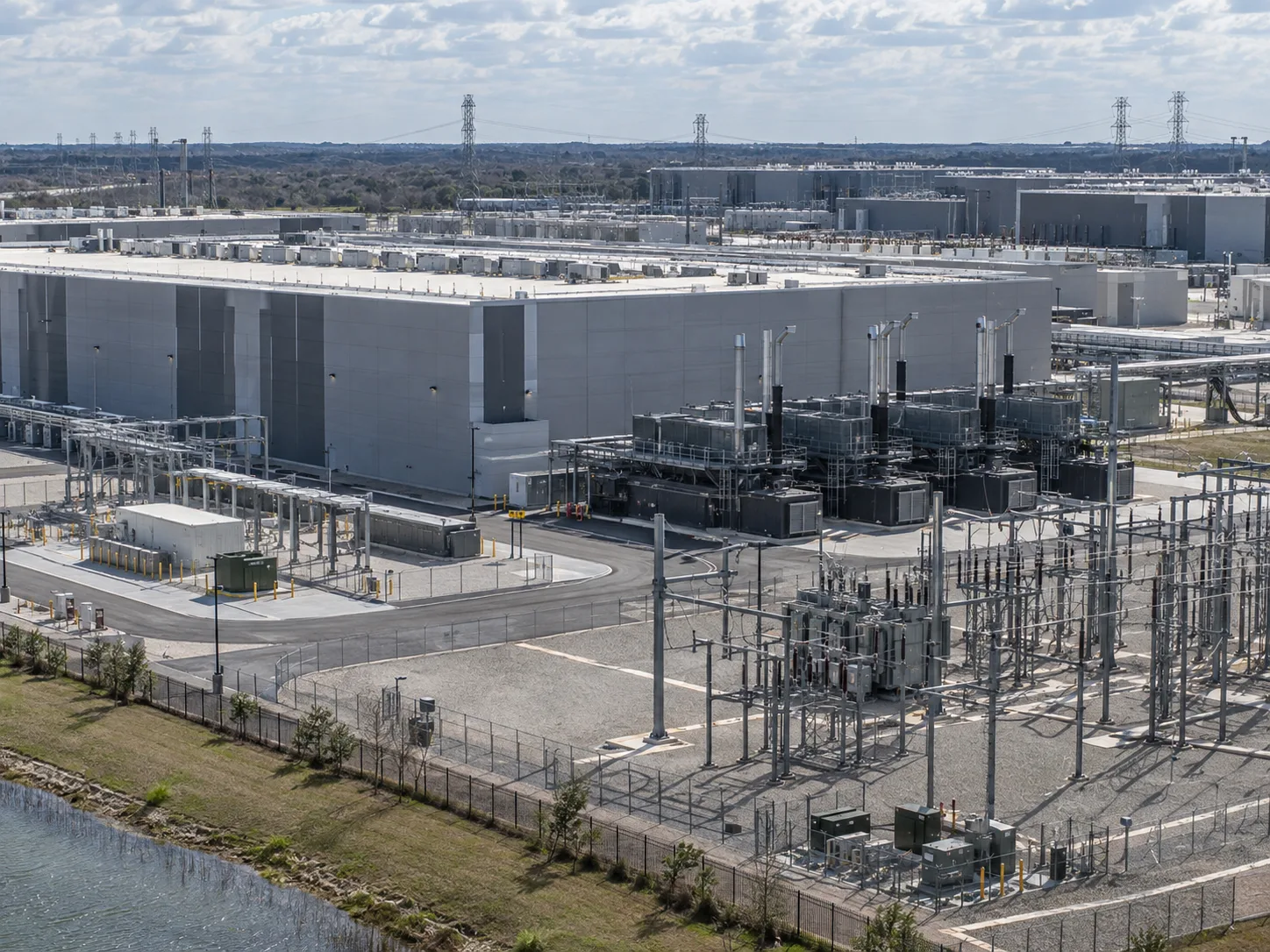
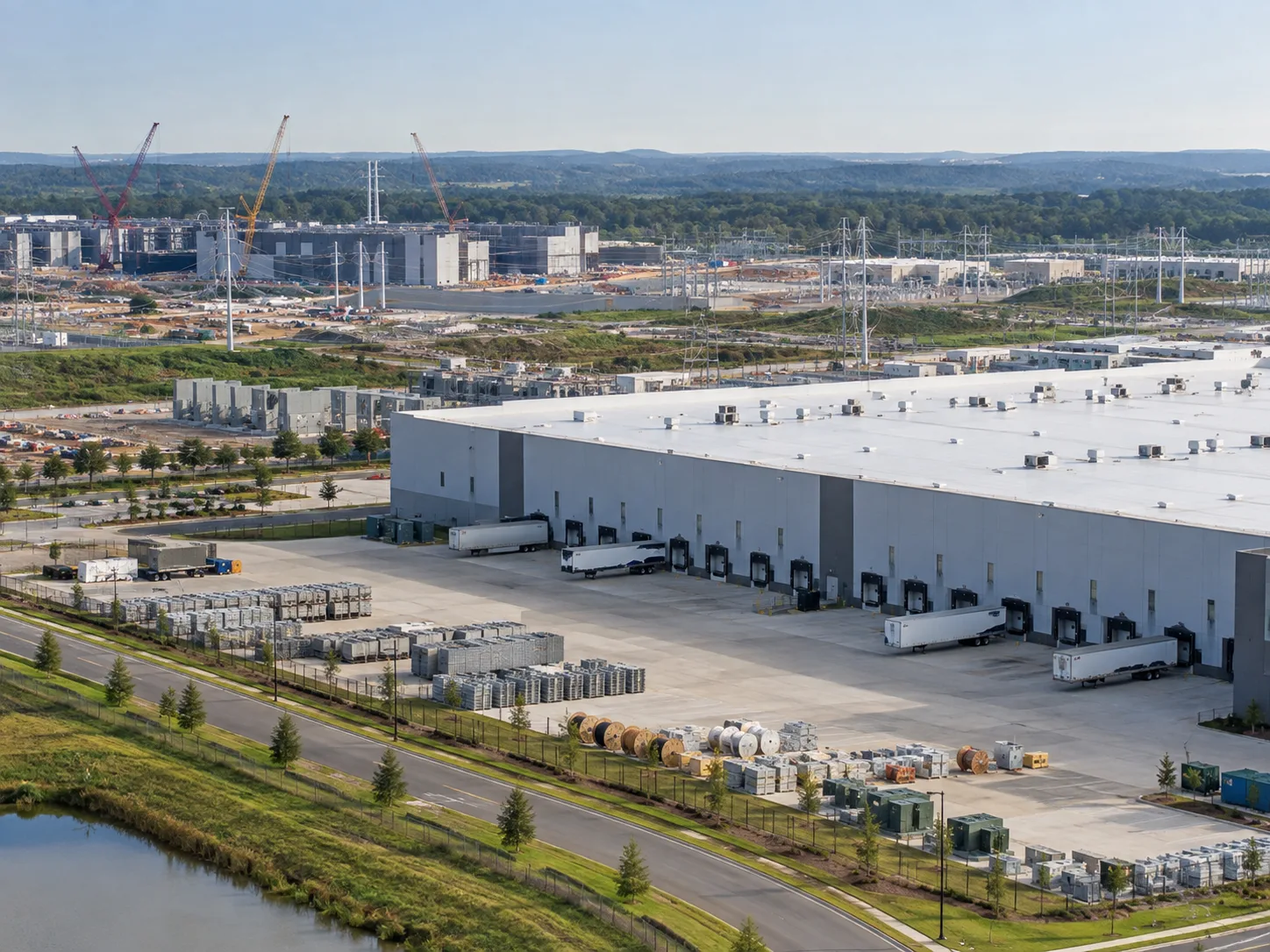
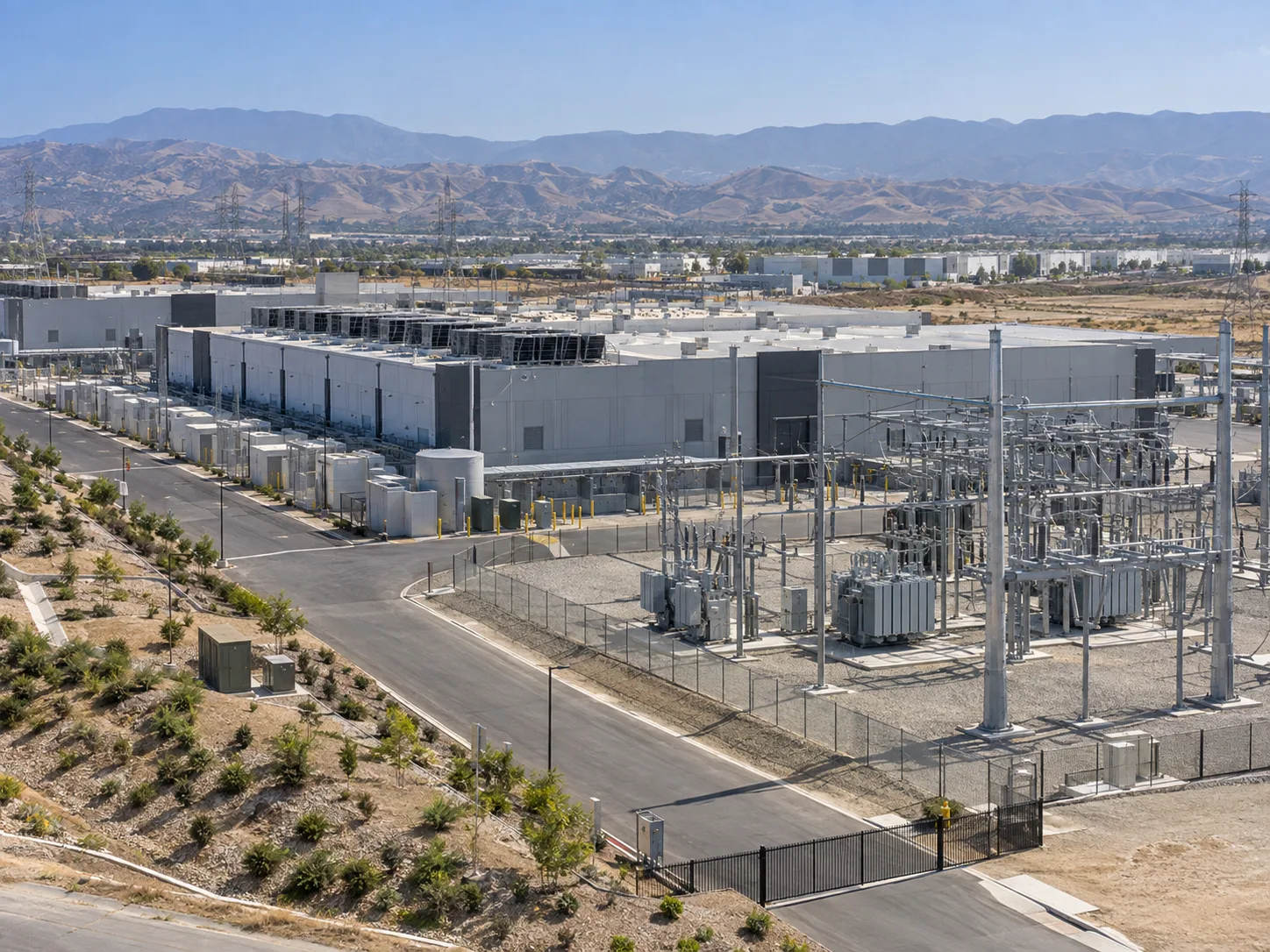
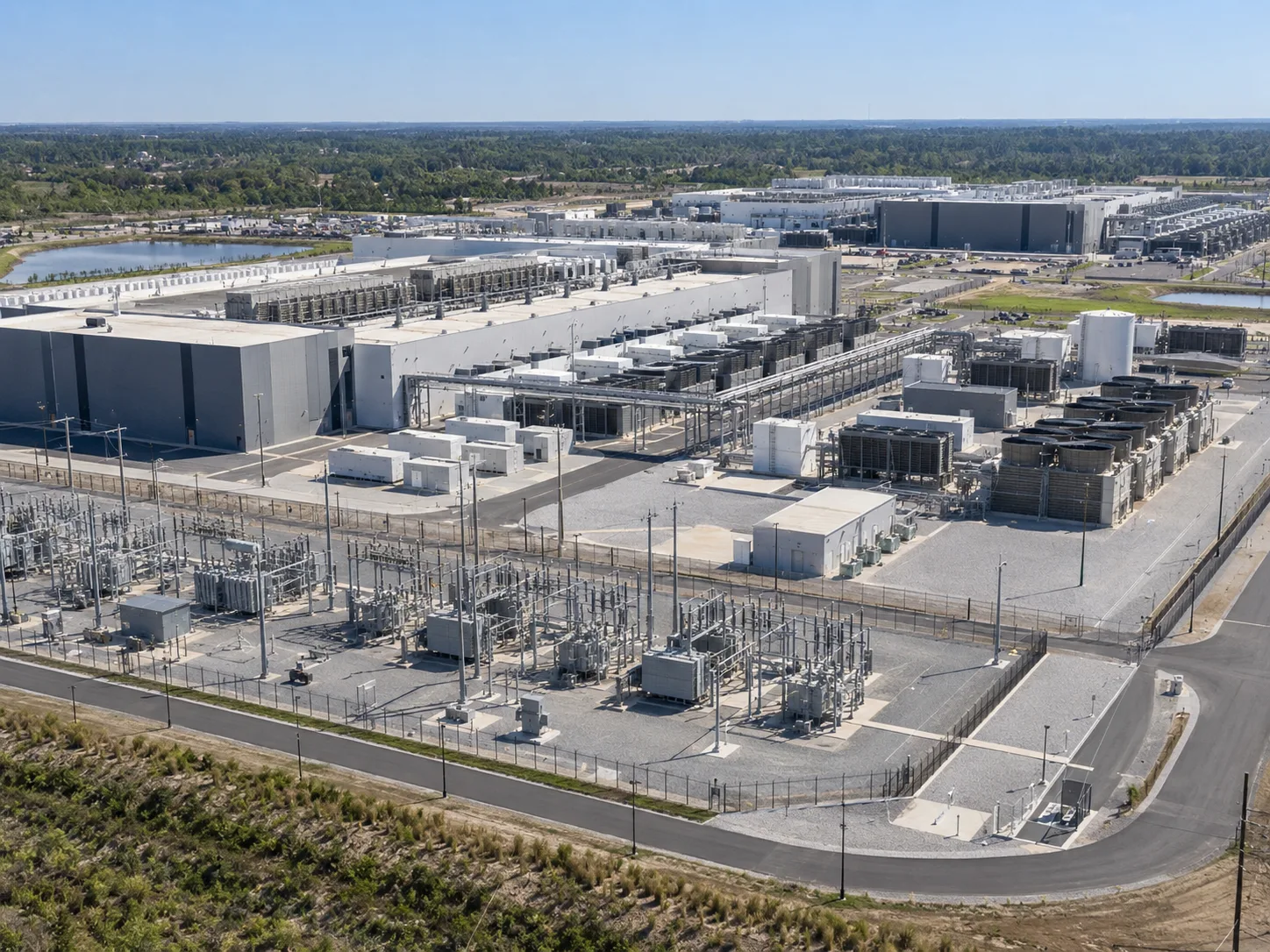
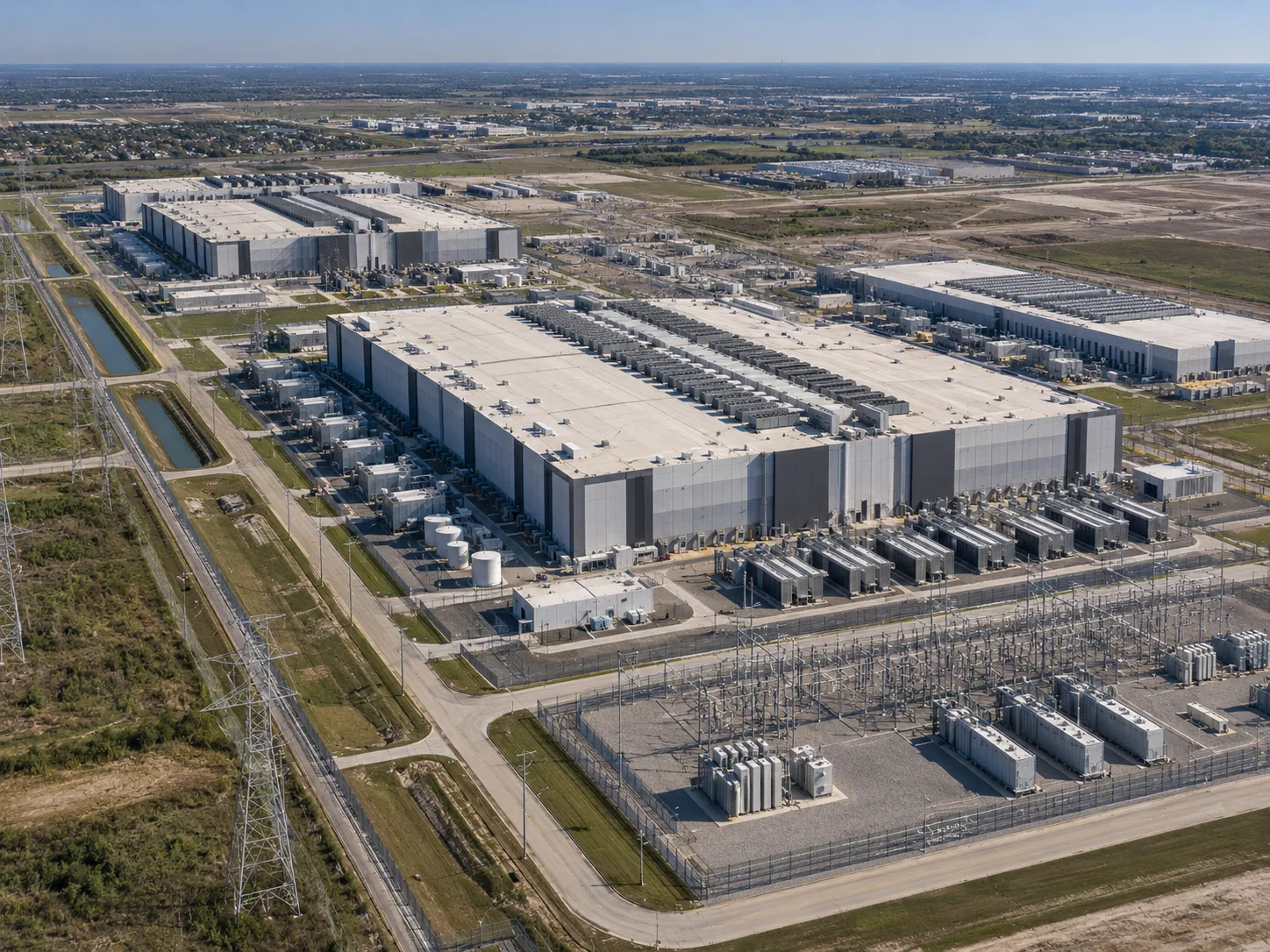
Billion-dollar data center projects are attracting a wave of institutional capital via a niche mechanism in private credit—specifically Rule 144A private placements. According to Bisnow, what was a nearly untapped financing route for the sector just a year ago is now fueling unprecedented growth. This approach is particularly timely as lenders and investors seek both scale and speed while exercising caution around tech and artificial intelligence exposures. Now, capital for data center development is flowing at scale, largely through securities sold to a select pool of institutional buyers, circumventing traditional regulatory hurdles and opening new funding channels for high-demand assets.
This shift comes as concern among Wall Street analysts grows over the exposure of lenders to AI-centric developments. Despite a sell-off in some public lenders, the 144A market is thriving—because it finances projects backed by hard assets and reliable, preleased cash flows, not just speculative tech bets. Per Bisnow, this regulatory workaround is resonating with investors eager for predictability in an otherwise volatile tech-driven market.
Get Smarter about what matters in CRE
Stay ahead of trends in commercial real estate with CRE Daily – the free newsletter delivering everything you need to start your day in just 5-minutes
How 144A Deals Became the Go-To for Data Centers
The broader real estate market has used 144A bonds, a private placement debt tool, since the early 1990s. But data center sponsors barely touched them before a landmark late-2025 transaction changed the market. Meta, Blue Owl Capital, and Pimco structured a $27.3B deal for a massive Louisiana data campus.
That deal triggered a wave of activity. Since November, Blue Owl and other operators have helped drive more than $40B in new placements, per Bisnow analysis. Unlike traditional bonds, these securities skip SEC registration. Only qualified institutional buyers can access them. Those buyers must hold at least $100M in unaffiliated securities.
Deals in this channel offer clear advantages. Sponsors gain flexible loan terms, faster closings, and access to capital from pensions, insurers, and hedge funds. These bonds fit projects with long-term, investment-grade tenants, including Meta, Microsoft, and Google. Often, they match repayment timelines with tenant stability and stretch terms into the 2040s or later.
Institutional Appetite Drives Innovation
The 144A structure is no longer just a workaround. It has become a preferred toolkit for data center expansion. Meanwhile, traditional bank lending faces tougher underwriting and balance sheet limits.
Blue Owl and Meta’s landmark transaction used an 80/20 split. Blue Owl funds took the largest share. S&P Global granted the deal investment-grade status. It cited strong long-term leases and tenant exposure to many development risks.
This demand reflects a changing view of data centers. Investors no longer treat them only as industrial assets. Instead, they increasingly frame them as infrastructure investments, similar to utilities with predictable cash flows. That shift mirrors broader private-market momentum, as nontraded REITs again attract capital for long-duration assets.
That shift has drawn insurers and pension funds seeking long-term asset and liability alignment. Many once avoided real estate risk. Now, large preleased data centers look more like triple-net infrastructure. Blue-chip tenants and lengthy contracts strengthen that case. Moody’s and S&P have also given several recent 144A offerings high marks.
Why It Matters
The surge in 144A financing shows investor confidence in digital infrastructure growth. It also shows how private credit continues to mature inside CRE.
Moody’s says recent data center securitizations earned investment-grade ratings because of strong fundamentals, diverse customers, and hyperscaler occupancy. Those deals include DataBank’s $665M transaction and a AAA-rated Compass Datacenters issuance.
Portfolio metrics explain the appeal. As of late 2025, tenants occupied 84% of DataBank’s covered SF across more than 1,700 customers. Compass placed more than $1B in bonds for six stabilized centers across the US and Canada. Each center had full occupancy.
This trend reaches well beyond current projects. The United Nations projects the global AI market could reach $4.8T by 2033. Private credit has already pushed more than $40B into US data centers in six months. That scale now reshapes the sector’s capital stack.
Instead of relying on riskier syndicated construction loans, developers tap institutional capital at stronger terms. Investors see well-leased digital infrastructure as safer and more durable. Moody’s analysts argue these placements look less speculative than many assume. After all, high-rated, well-structured leases back the deals.
For CRE, 144A’s rise marks deeper overlap between real estate, infrastructure, and private credit.
What’s Next
Demand for 144A private placements should continue while institutions seek digital infrastructure with reliable cash flows. Blue Owl and Pimco now lead the market, with new entrants likely to follow. Observers expect more innovation around deal structures, risk sharing, and ratings.
As AI demand matures, 144A financings could move into new asset types and geographies. That expansion may include more non-US projects and adjacent sectors. Edge computing and cloud storage hubs could follow.
Still, investors must keep monitoring risk. Tenant composition could weaken if deals move beyond hyperscale anchors. Tech volatility could also spill into leasing fundamentals.