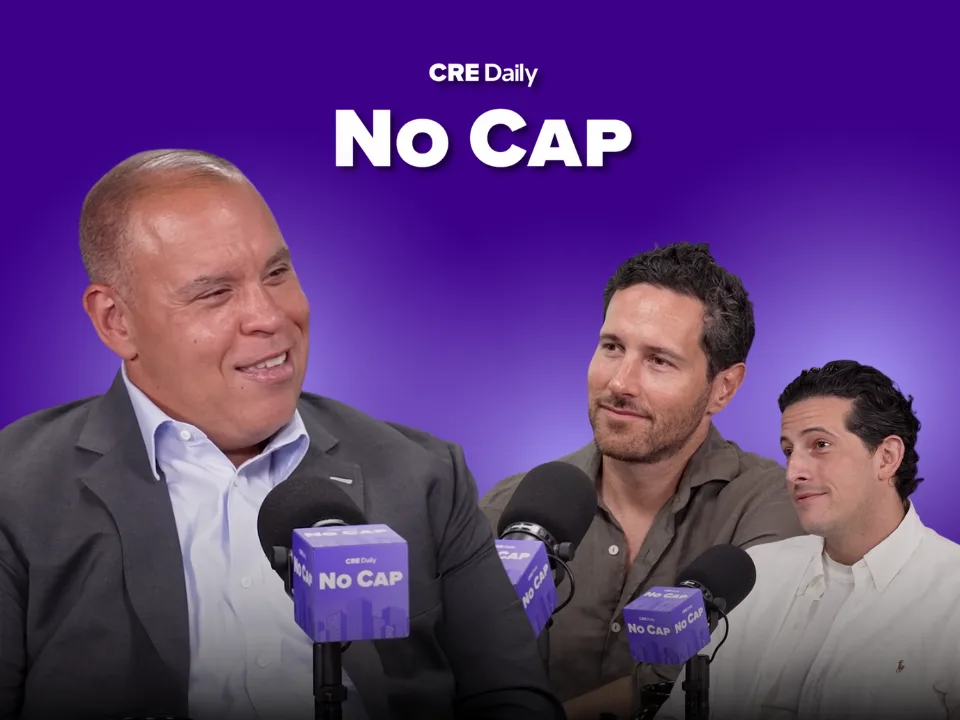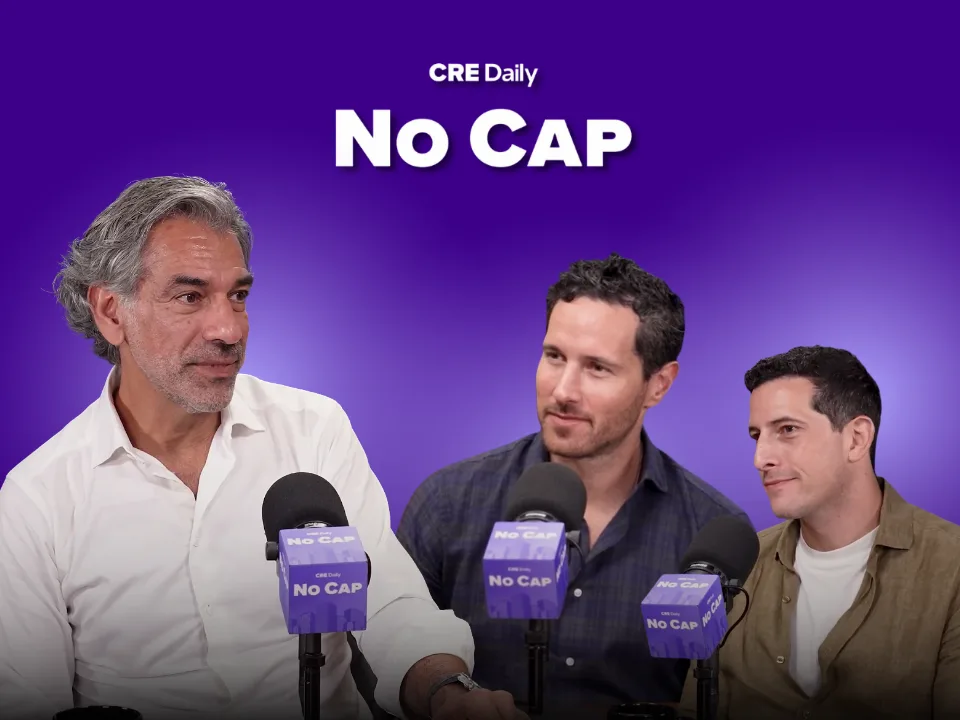








Guest: Michael Moreno, Partner and Executive Managing Director, Safe Harbor Capital Partners
Michael Moreno is a partner and executive managing director at Safe Harbor Capital Partners, a Miami-based private credit manager focused on distressed real estate debt. He has more than 30 years of credit experience, starting at Chemical Bank. He was a senior managing director at Avenue Capital and one of the four owners of Black Diamond Capital Management.
Moreno explains how Safe Harbor buys non-performing loans, mostly directly from small and mid-sized banks, at an average 50% loan-to-value. He walks through the playbook: a hello letter to the borrower, a 12 to 24 month modification, and a refinance or sale in most cases. He also weighs in on software credit, private credit froth and why he sees this cycle as a melting ice cube rather than a sharp V.
Key Takeaways
About 80% of Safe Harbor’s portfolio is non-performing loans bought from small and mid-sized banks that lack the capacity to work them out. Moreno says the firm buys at a discount to the legal balance. In his example, a $5 million loan with $500,000 of default interest has a $5.5 million legal balance, and Safe Harbor pays about $5 million.
“Over 95% of our loans are actually purchased directly from the original lender.”
Michael Moreno, [10:54]
The playbook starts with what Moreno calls a hello letter: the borrower can face foreclosure or accept a modification that buys 12 to 24 months to sell or refinance. That turns a non-performing loan into a reperforming one and solves problems for both the bank and the borrower.
“Over 90% of the time, they end up refinancing or buying back or selling the property. And then the other 10% or less of the time, we’ll get the keys.”
Michael Moreno, [12:34]
Moreno describes a workout on two waterfront homes in Gables Estates in Miami. The borrower could not refinance with its bank, so Safe Harbor bought the loan, funded the first year of interest into a segregated account, then provided the refinancing and took shares in a company as added collateral. A small bank could not offer that flexibility.
“The properties were worth over 70 million together. The loan was 25 million.”
Michael Moreno, [14:53]
Safe Harbor underwrites to market velocity, not just comps. Moreno says that if the firm ends up with the keys, it wants an asset in a deep market that it can sell quickly, which is why it avoids secondary and tertiary markets. It also steers clear of ground-up construction, where its average 21-month hold is hard to square with a two-to-three-year build.
“You could have done all the comp analysis that you wanted, but there isn’t going to be a deep enough market to sell that asset quickly if you do get the keys. And we’re not in the business of operating.”
Michael Moreno, [7:50]
Moreno sees banks under regulatory and balance-sheet pressure to sell, with rates unlikely to bail out borrowers, so he expects more distressed supply and deeper discounts. He frames the cycle as a slow grind that gives lenders time to do the work, not a sharp V like the global financial crisis.
“This cycle is one where I think it’s more like a melting ice cube as opposed to a sharp V correction.”
Michael Moreno, [27:56]