






- Two workplace designers told the Wall Street Journal that open-plan offices failed to deliver, and a statistic the paper cited shows 52% of workers say the office isn’t important for focused work.
- Desks take 60% to 70% of typical floor space, while noise, feeling watched and rigid layouts hurt concentration, and designers are shifting to fewer desks in ‘neighborhoods.’
- Landlords can differentiate by acting like space consultants for tenants, since workers now expect choice and layouts that keep changing.
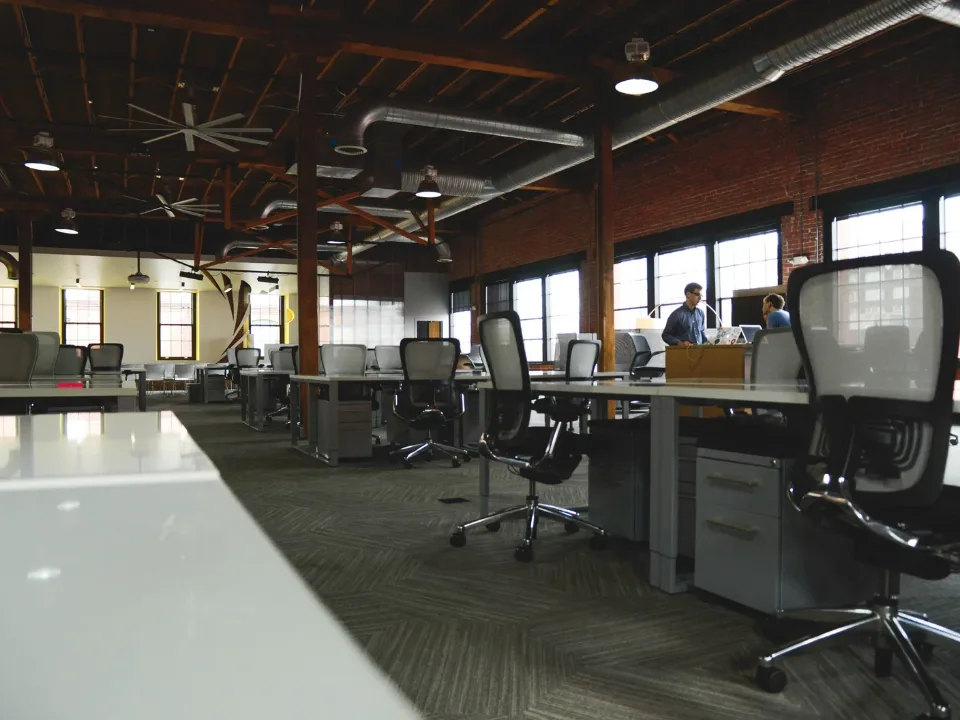
Open-plan offices didn’t deliver on collaboration or focus, two workplace designers told the Wall Street Journal, GlobeSt reports.
A figure the Journal cited puts it plainly: 52% of workers don’t see the office as important for concentrated work, and the typical office’s focus space has shrunk from 56% to 35%.
Get Smarter about what matters in CRE
Stay ahead of trends in commercial real estate with CRE Daily – the free newsletter delivering everything you need to start your day in just 5-minutes
Floor Plates Built for Desks
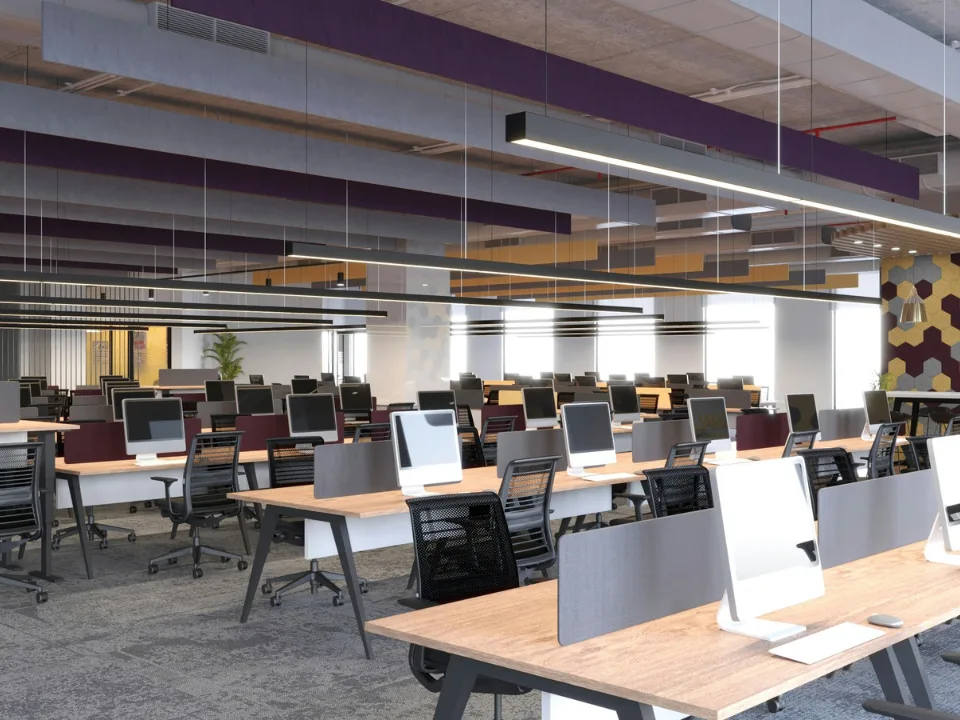
Piercy & Co. architecture director Harry Bucknall told the Journal that desks claim as much as 60% to 70% of the floor because every user gets one. Once you look at how people actually work, he said, tensions show up.
For owners, that means tenants are paying for space many employees don’t find useful.
Why the Model Stopped Working
Offices have cycled from private rooms to cubicles to open plans, each pitched as the answer. The pandemic broke the spell, because workers learned they could be productive and happier at home.
Noise is the clearest flaw, since collaboration zones sit beside focus zones. Workers also feel watched, Bucknall told the Journal, and the layouts rarely account for individual preferences or neurodiversity.
Workers Want Choice
Frances Gain of M Moser told the Journal that employees are pickier now because they know the alternatives. Some even want the cubicle back, she said.
Quiet space is the scarce item, especially when the building is full.
Zoom Out: What Designers Do Next
The fix is fewer desks arranged in neighborhoods: enclosed areas for focus where nobody has an assigned seat but everyone feels some ownership. That echoes our coverage of premium offices, where Dexus is testing reusable turnkey fitouts and IFM expects AI-related growth to favor Prime and A-grade space with strong amenities.
Why It Matters
Landlords can use this to stand out. GlobeSt says owners can act like consultants to their tenants, helping them get more from the space and making that support part of the building’s pitch.
It fits the flight to quality. Yardi Matrix’s report in our office oversupply coverage found new Class A space absorbing demand at older Class B buildings’ expense, with Class A listing rates up 2.5% over the year and Class B down 0.3%.
What’s Next
Gain sees no final answer on layout, and says AI will keep reshaping how people work. Owners should plan for floor plates that can change as tenants’ needs do.