

- U.S. kava bars have grown to roughly 700 locations from 303 in 2023, and Florida alone accounts for 446 of them.
- Many kava bars generate most of their sales from kratom, an unregulated botanical now fully banned in eight states and restricted in cities like Doral, Florida.
- Landlords like kava bars’ light build-out needs and all-day traffic but are scrutinizing kratom dependence as tightening regulation threatens tenant business models.
The number of U.S. kava bars has more than doubled since 2023 to roughly 700, according to Bisnow, citing tracking app HappyKava. But many of these fast-growing retail tenants make most of their money from kratom, an unregulated botanical facing a wave of bans that could upend their business models.
Get Smarter about what matters in CRE
Stay ahead of trends in commercial real estate with CRE Daily – the free newsletter delivering everything you need to start your day in just 5-minutes
From One Boca Raton Lounge to 700
Jeffrey Bowman is often credited with opening the first U.S. kava bar. He opened the alcohol-free lounge in Boca Raton, Florida, in 2002. The count reached 178 by 2019 and 303 in 2023, according to HappyKava CEO German Calas.
Falling alcohol consumption is helping fuel the expansion. So is growing interest in wellness. Florida leads the country by far, with 446 kava bars.
However, sizing the category remains difficult because of limited regulation. Estimates of the global kava and kratom market in 2025 range from $500M to $2.6B. Meanwhile, an estimated 1.7 million Americans ages 12 and older used kratom in 2021, according to the Substance Abuse and Mental Health Services Administration.
The Details
Kava is a South Pacific drink made from Piper methysticum roots. It is known for easing stress. Kratom comes from the leaves of a Southeast Asian tree. At low doses, it acts as a stimulant. At higher doses, it binds to opioid receptors. Neither substance has FDA approval.
Phil Peterson owns Votanik Kava Bar in Miami. He told Bisnow that kratom drinks generate 60% to 70% of his sales. He also said kratom drives most sales across the category.
Menus rarely label kratom directly. Instead, they often refer to it by leaf color or as k-tea.
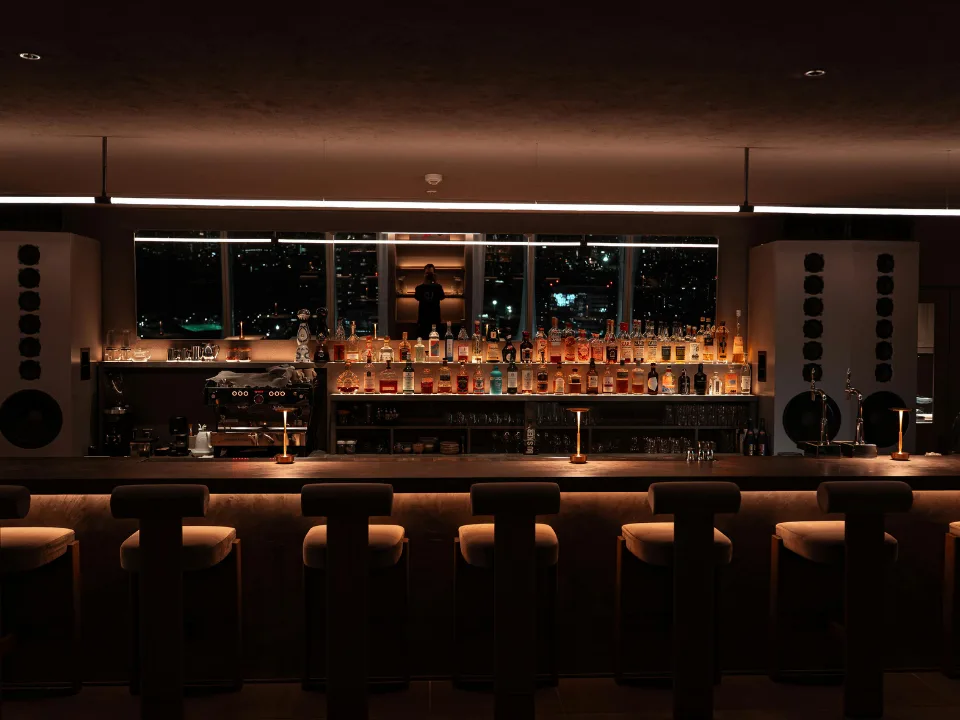
Many locations open by 8 a.m. and remain open past midnight. As a result, they attract customers throughout the day. Gaming, live events and coworking-style seating also help drive traffic.
An Easy Kava Bar Tenant, With Caveats
Kava bars often need neither a full kitchen nor special licenses. As a result, they can open faster than bars or restaurants.
Claire Hertel of Hoff & Leigh represented the landlord in a 2026 lease with Denver Café and Kava. She said the lighter use of second-generation restaurant space appealed to her client.
The concept also fits the broader rise of wellness tenants as retail traffic drivers. However, Native Realty founder Jaime Sturgis has seen growing landlord skepticism.
Sturgis has worked on kava deals in Fort Lauderdale. He said inquiries continue to pile up. Yet many operators lack a fully developed business plan or strong financials.
Why It Matters
Regulatory risk now stands as the key underwriting question. Restoration Recovery says eight states fully ban kratom. Those states include Alabama, Tennessee, Indiana and Wisconsin.
Meanwhile, the CDC found that kratom exposures reported to poison centers rose roughly 1,200% between 2015 and 2025. The agency counted 233 kratom-related deaths during that period. Kratom was the only drug detected in 21% of those cases.
Local rules are tightening as well. New York City cracked down on kava bars after a state judge ruled kava an unapproved food additive.
In Doral, Florida, officials barred kava and kratom establishments within 500 feet of schools, parks and places of worship.
What’s Next
Sturgis said landlords want tenants that do not rely too heavily on kratom. A law change could materially affect those businesses.
University of Florida pharmacy professor Oliver Grundmann told Bisnow that kratom, rather than kava, appears to drive most dependence risk.
As federal and state scrutiny grows, landlords may take a closer look at kava tenants. Sales mix and operating track record could play a larger role before leases get signed.