



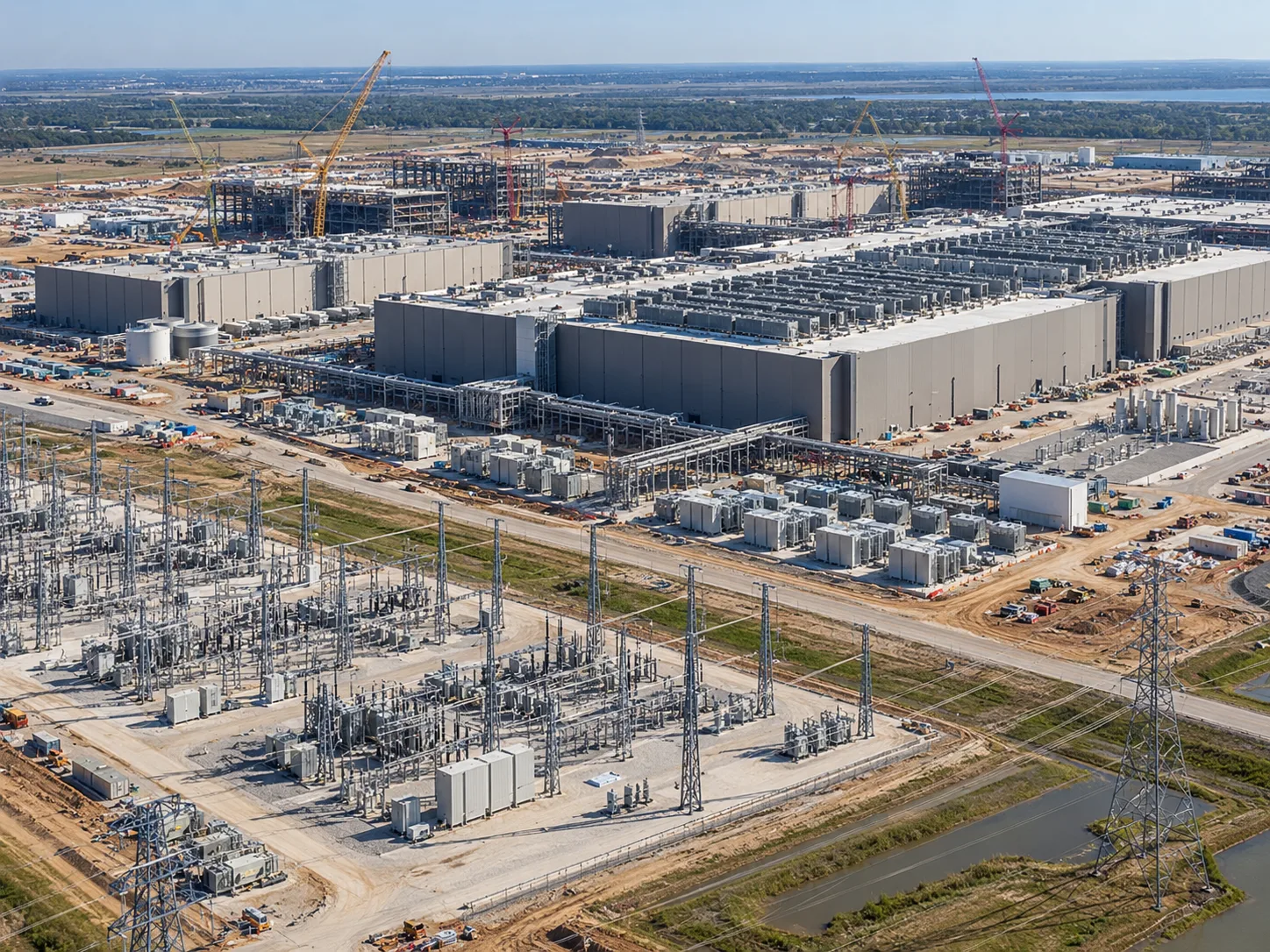
- US data center and AI infrastructure investment is projected to total $10.3T from 2025 through 2032.
- Private data-center construction spending reached $37B through July, even as most other private construction categories weakened.
- Debt-funded hyperscaler spending, power constraints, labor competition, and equipment shortages are spreading the build-out’s effects beyond data centers.
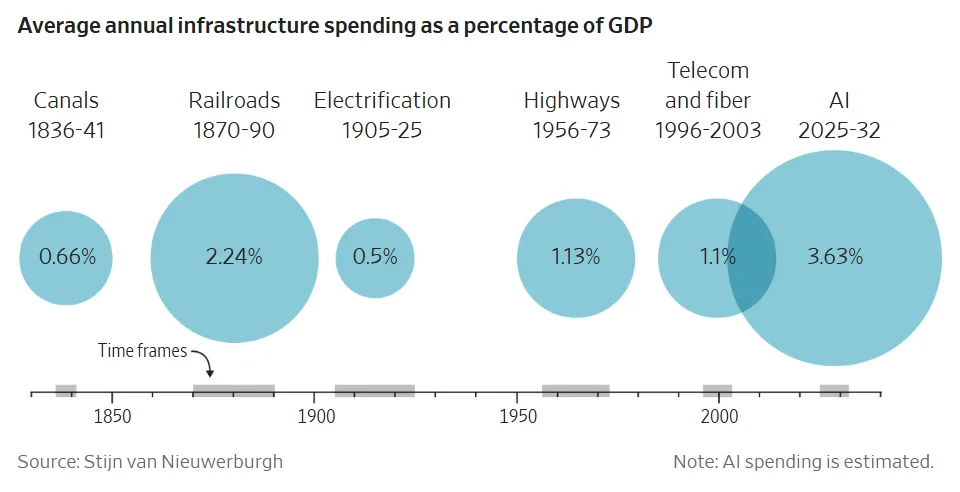
The Wall Street Journal reports that new AI infrastructure estimates put projected US investment at $10.3T from 2025 through 2032. Economist Stijn van Nieuwerburgh estimates the total would average 3.6% of GDP annually. Goldman Sachs separately projects AI investment at 1.9% of GDP in 2026. The scale would be unusually large compared with earlier US infrastructure cycles. However, the source notes that long-range spending estimates could ultimately come in lower.
Get Smarter about what matters in CRE
Stay ahead of trends in commercial real estate with CRE Daily – the free newsletter delivering everything you need to start your day in just 5-minutes
Construction Becomes an Economic Bright Spot
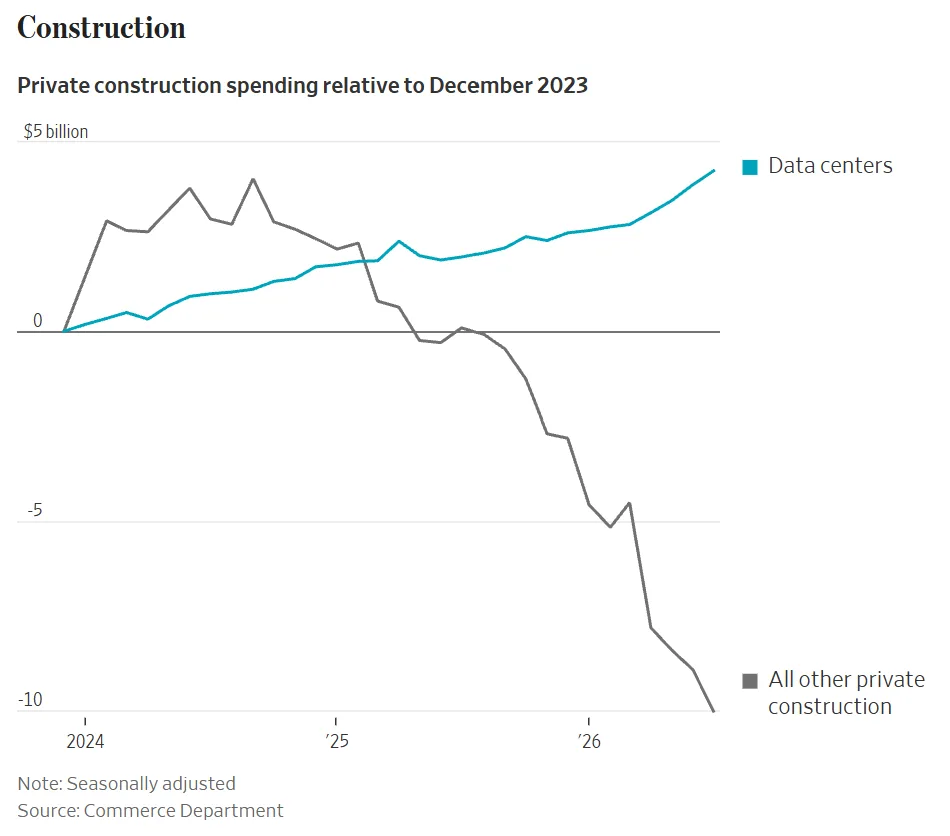
Data-center development is already supporting construction while other property sectors pull back. Through July, private data-center construction spending reached a seasonally adjusted $37B, according to the Commerce Department. That was about $9B above the first seven months of 2025. Over the same period, other private construction spending was about $46B below year-earlier levels. That category includes houses, apartments, shopping centers, and other projects.
The concentration of activity is also creating constraints. The Federal Reserve Bank of Richmond reported that data-center construction is straining labor availability in its region. Mississippi was considered for a new aluminum smelter with about 1,000 permanent jobs. A data-center project near Vicksburg tied up electricity needed for the industrial facility, according to a person familiar with the decision. The smelter chose Oklahoma instead. Site-selection consultant Didi Caldwell also said data centers are pushing up land costs in some markets.
The Details
Capital commitments are expanding alongside the physical build-out. FactSet estimates that Alphabet, Amazon, Meta, Microsoft, and Oracle will spend $4.2T in the four years ending in 2029. A growing share is financed with debt. Van Nieuwerburgh said technology companies often use off-balance-sheet entities to borrow from banks and private-credit firms. Those structures can limit public visibility into the obligations.
The labor effects are significant. LinkedIn estimates AI was behind more than 750,000 new US jobs from 2023 through 2026 to date. Data centers alone added 117,000 jobs since the start of 2024, excluding construction positions. AI-related job listings carried a median salary near $180,000, versus $80,000 across all LinkedIn listings. In the Washington, DC, area, unionized electrician ranks rose from 9,000 to 17,500 in recent years.
Financing and Cost Pressures Spread
Debt and resource competition create the clearest downside risks. If AI revenue fails to support the debt raised for data centers, losses could reach banks and private-credit firms. Meanwhile, scarce power, construction labor, and land are already affecting other users. Power and labor constraints are already shaping where data-center projects and other industrial investments can move forward.
Equipment demand is adding another pressure point. Import prices for computers, peripherals, and semiconductors were 20% higher in August than a year earlier. The source ties those increases partly to shortages of data-center equipment such as memory chips. Chicago Fed President Austan Goolsbee also warned that data-center investment is pushing up wages in related fields.
Why It Matters
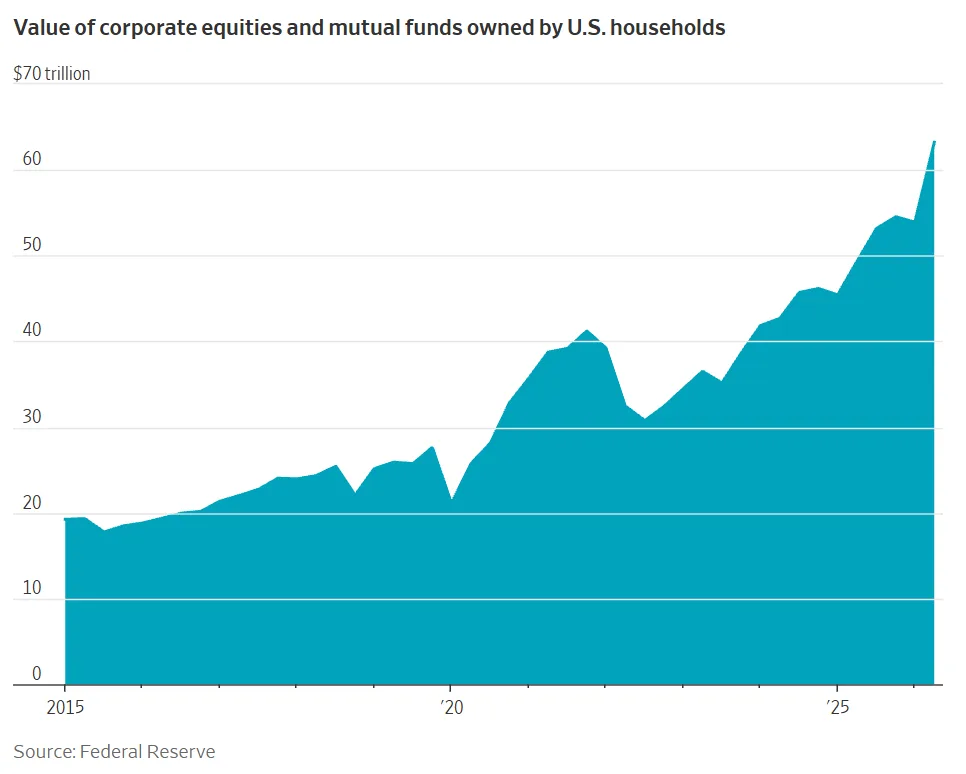
The build-out is large enough to influence construction, employment, household wealth, and borrowing costs at the same time. Federal Reserve data put US stock and mutual-fund holdings at $63T in the second quarter. That was nearly double the level at the end of 2022. The source says the AI-driven market rally has supported consumer spending, especially among wealthier households.
Real estate is seeing spillovers as well. Silicon Valley luxury-home demand has strengthened even as national home sales remain weak. One agent listed a five-bedroom home at $9.9M and received seven offers. It went under contract above $13M to an AI entrepreneur. The broader CRE implication is direct: data centers are not operating as an isolated niche. Their capital needs are competing with other projects for electricity, workers, land, materials, and financing.
What’s Next
The biggest uncertainty is whether AI-related revenue can justify the pace of capital spending. Current projections assume trillions of dollars keep flowing into data centers and related infrastructure through the end of the decade. If spending remains strong, construction and labor constraints could persist. If growth slows abruptly, debt exposure could transmit the downturn beyond data centers. Opaque financing structures could make that risk harder to measure.