



- Tampa asking rents fell 4.6% year over year to $1,791, but edged above the first-quarter level of $1,789.
- Second-quarter demand reached 2,838 units and exceeded 1,826 deliveries, while the construction pipeline fell to 10,083 units.
- Colliers expects tighter supply and improving demand to moderate concessions and support stronger transaction activity in the second half.
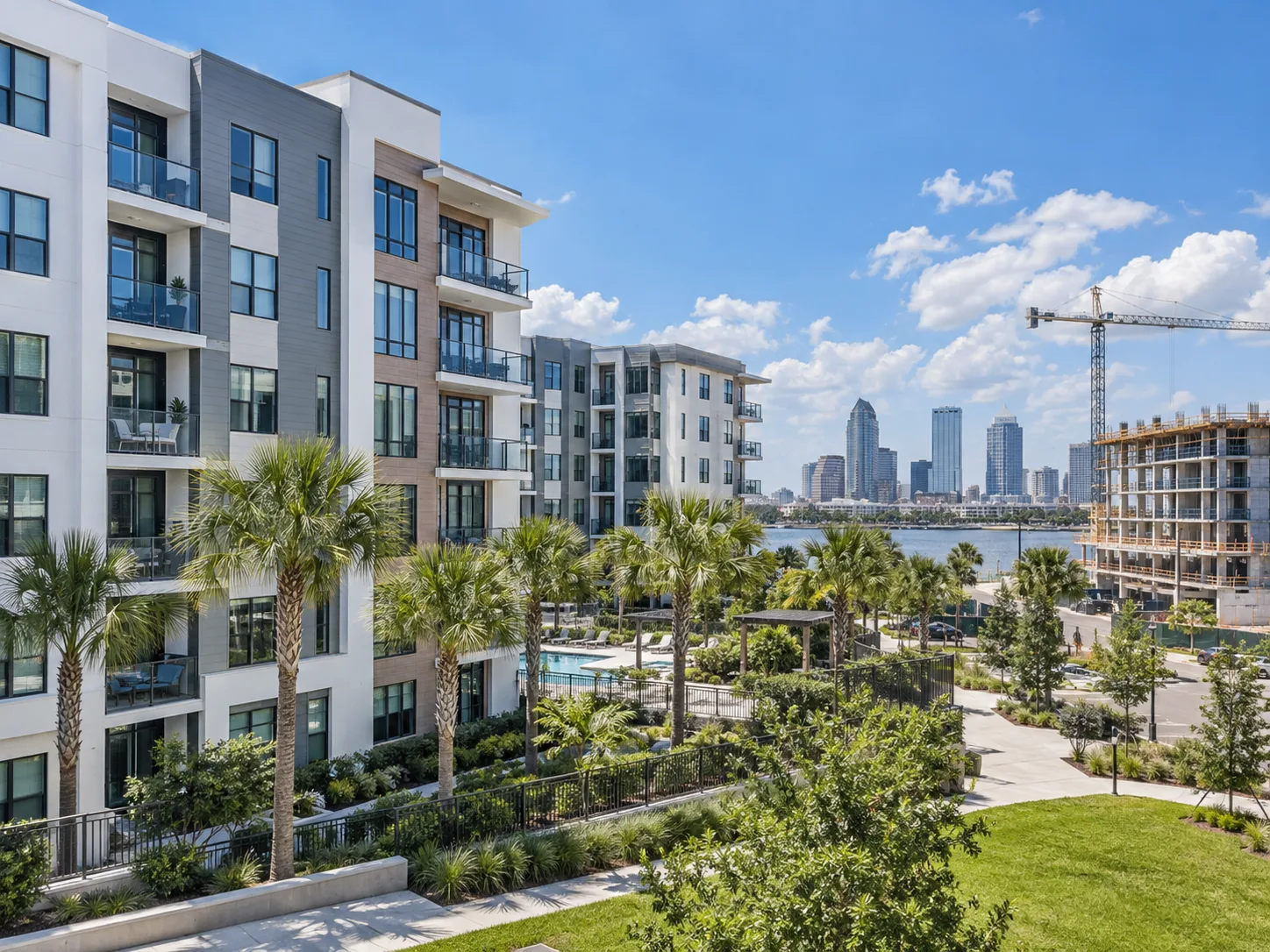
GlobeSt.com reports that Tampa multifamily conditions are beginning to stabilize as construction slows. The latest Tampa multifamily data come from Colliers. Average asking rents were $1,791, down 4.6% year over year. They were still slightly above the first quarter’s $1,789. Occupancy also improved from the prior quarter even though it remains below last year’s level. The quarter-to-quarter movement is small, but Colliers views it as part of a broader stabilization pattern.
Get Smarter about what matters in CRE
Stay ahead of trends in commercial real estate with CRE Daily – the free newsletter delivering everything you need to start your day in just 5-minutes
The Details
Occupancy stood at 94.3%, down 80 basis points year over year but up 0.3 percentage points from the prior three months. Second-quarter demand reached 2,838 units. That was more than 200 units below the same period in 2025, but well above first-quarter demand of 1,377 units. Absorption also exceeded the 1,826 units delivered during the quarter.
Tampa Multifamily Supply Pressure Eases
The construction pipeline has fallen to 10,083 units from 11,998 at the end of June 2025. Colliers said only 5,384 units are scheduled for delivery over the next four quarters. Tampa multifamily rents remain under pressure, but the narrowing supply pipeline gives landlords a clearer path toward balance as demand improves. The near-term delivery schedule is now much smaller than the overall pipeline. That should limit the amount of new competition arriving over the next year.
Capital Stays Selective
Trailing 12-month multifamily sales volume reached $1.7B, according to Colliers. Investors are targeting stabilized and well-located value-add assets while interest rates remain high. Development capital remains selective. However, Colliers said investors continue to deploy money into preferred equity investments and recapitalizations.
Why It Matters
Tampa’s recovery depends on demand catching up with deliveries. The second quarter offered an encouraging signal because absorption moved ahead of new supply. A smaller construction pipeline could also reduce the need for aggressive concessions if occupancy holds or improves. The shift follows a period of falling rents and elevated deliveries across the market. Investors are still being selective, so stronger property fundamentals will need to translate into workable pricing before sales accelerate.
What’s Next
Colliers expects apartment demand to continue improving as new deliveries move closer to absorption. The firm forecasts that concession packages will moderate, allowing landlords to gradually regain pricing power. It also expects multifamily transaction activity to increase during the second half of 2026. The brokerage’s outlook therefore depends on two linked trends: steadier apartment demand and continued moderation in new supply.