

Presented by WareSpace

Shoutout to our sponsor, WareSpace — turning underused industrial, flex, office, and big-box properties into micro warehouse space for small businesses.
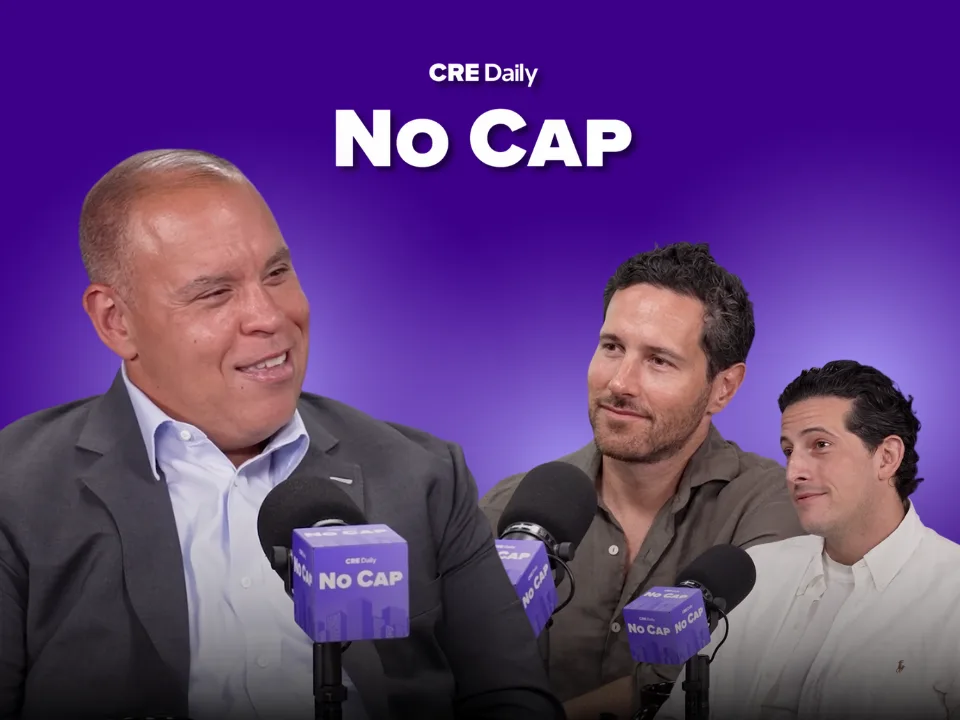
Guest: Anthony Scavo, President and Managing Partner, Basis Industrial
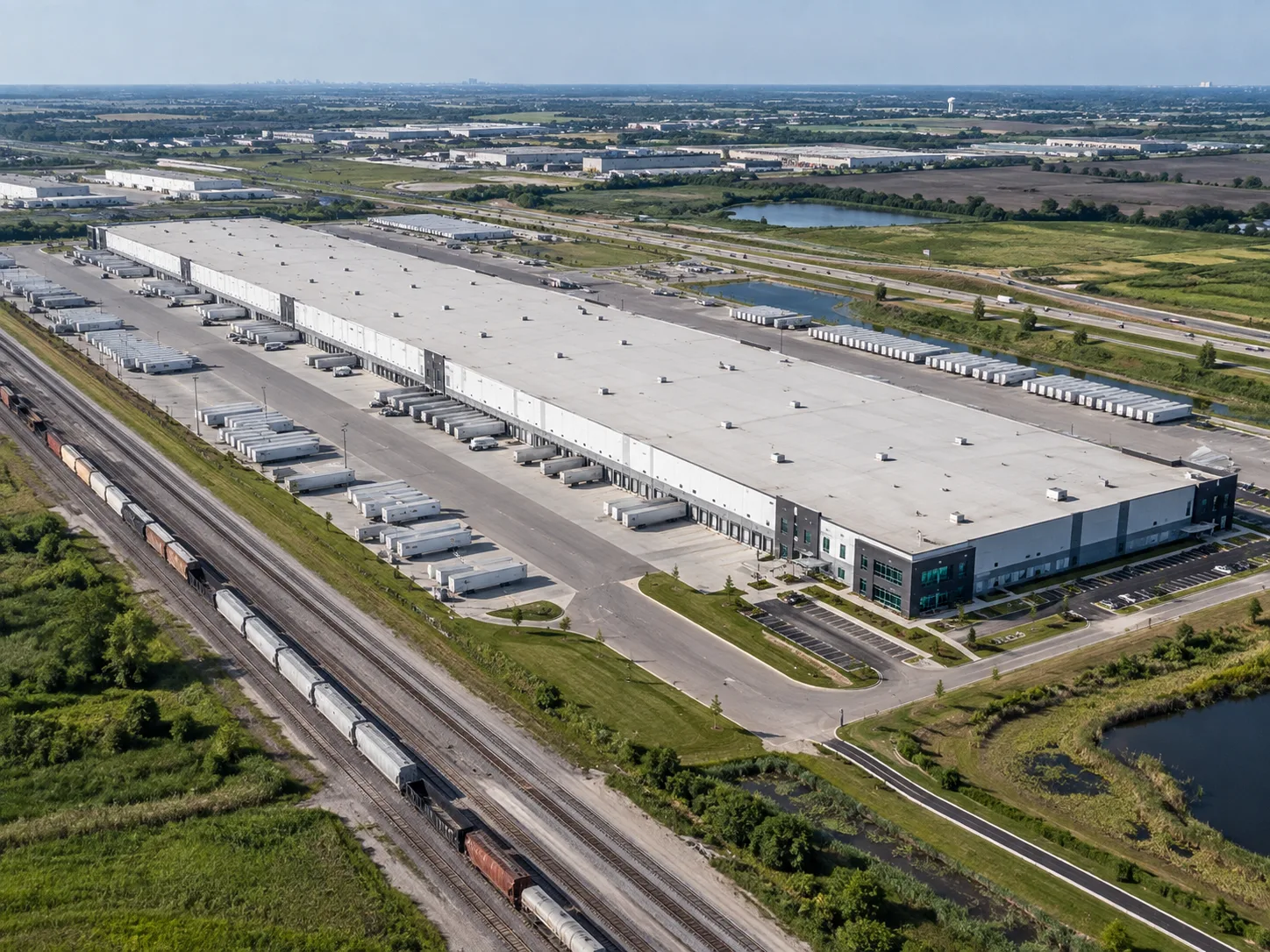
Anthony Scavo is President and Managing Partner of Basis Industrial, a vertically integrated owner-operator focused on small bay industrial and self-storage. He got his start at the LeFrak Organization, where he built his foundation in construction and development, before joining Basis in 2021. Since then, he’s helped grow the firm from three employees to over 50, assembling a portfolio that now exceeds 10 million square feet across Florida, Texas, Georgia, New York, and California, with another 2 to 3 million square feet in the pipeline before year-end.
Anthony Scavo built Basis Industrial from three employees into a firm managing more than 10 million square feet of small bay industrial and self-storage. On this episode of No Cap, he tells Jack Stone and Alex Gornik why he thinks small bay is now safer than multifamily, why brokerages and lenders still can’t figure the asset class out, and why nobody can build new small bay at today’s construction costs.
Key Takeaways
Basis argues small bay industrial is safer than multifamily right now.
“I think small bay today is safer than multi because of the yield you’re getting it at. You’re buying debt-neutral day one, or even positive leverage. As long as you don’t mess up, you’ll always have a property making money.”
Anthony Scavo, [25:16]
A diversified small bay tenant base absorbs shocks multifamily can’t.
“Our tenant base, we could lose 20% of our tenants and still make debt service.”
Anthony Scavo, [26:34]
Tenants sink real capital into their space, which makes them sticky.
“We have a tenant that put $10 million into 20,000 square feet, a lab space in one of our new Atlanta properties. They’re not going anywhere.”
Anthony Scavo, [29:23]
Ground-up small bay development doesn’t pencil in today’s market.
“We had 180,000 square feet of small bay under contract in Plymouth, Massachusetts. The GC’s hard cost came in at $220 a foot, which means you need north of $20 a foot in rent day one, in a market getting $11 to $13. Meanwhile we were buying existing product at $150 a foot. Why would you build at $300 when you can buy at $150?”
Anthony Scavo, [37:05]