




Presented by Bracket

Shoutout to our sponsor, Bracket — the AI platform transforming how we underwrite deals.
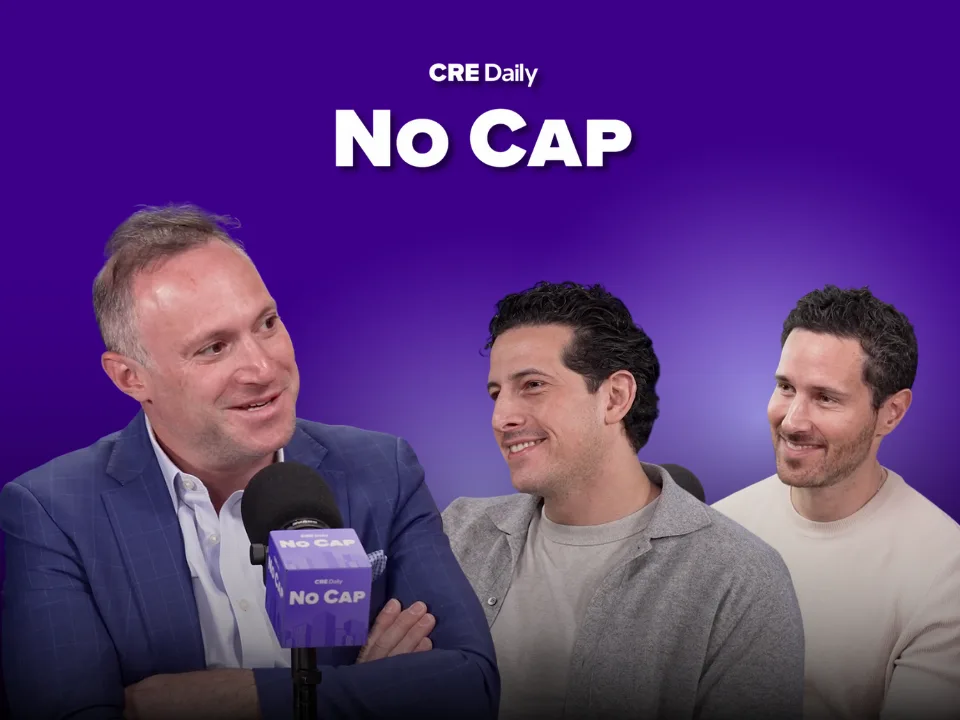
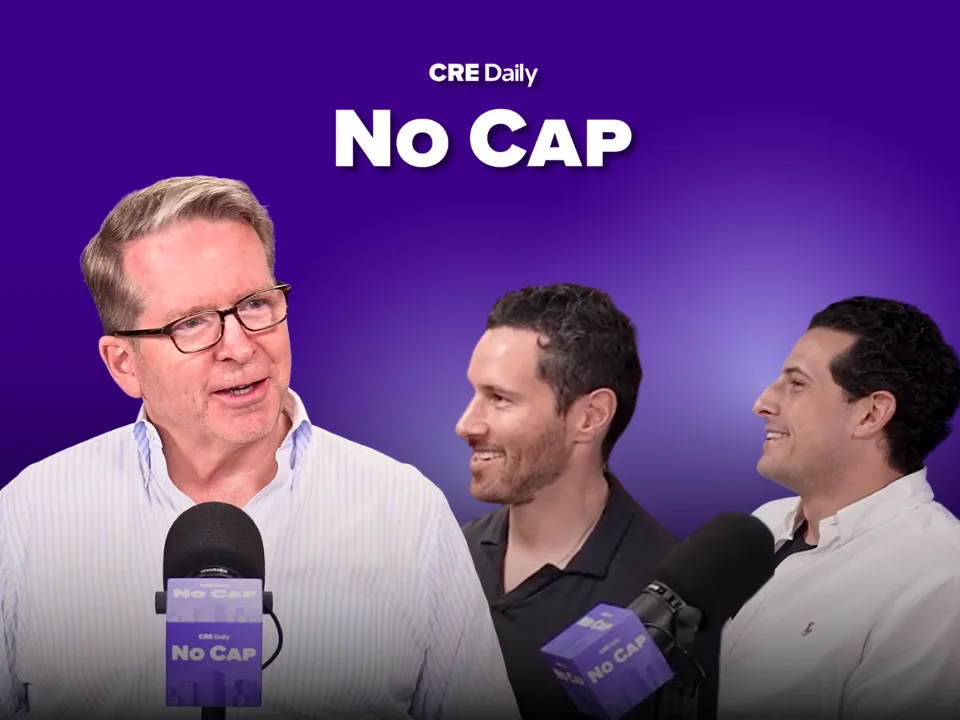
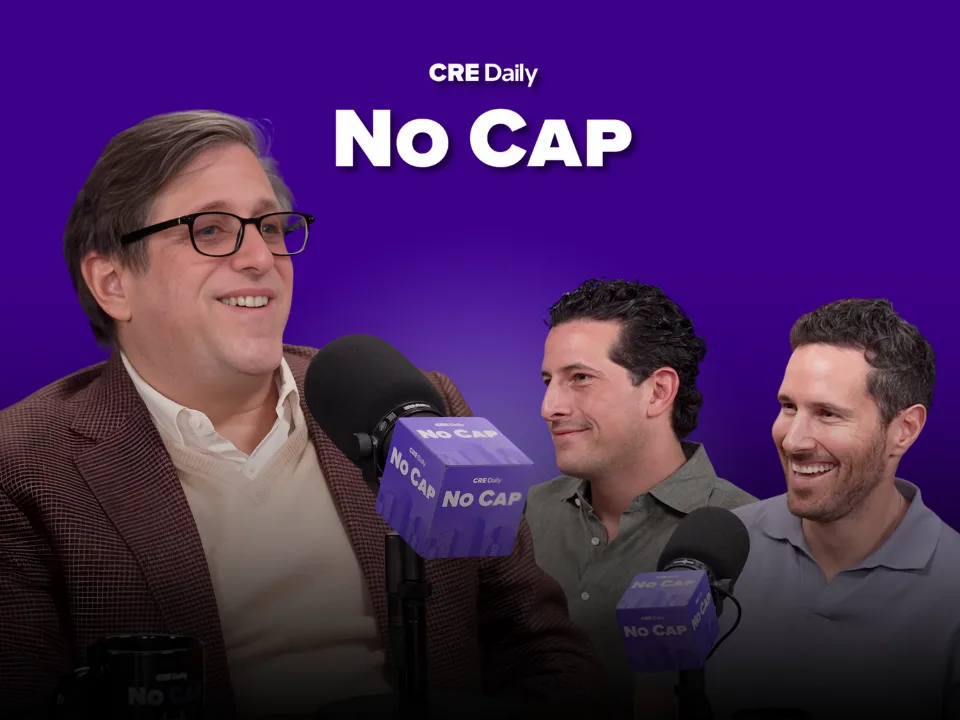
Guest: Michael Cohen, Principal, Williams Equities
Michael Cohen is Principal at Williams Equities and a key figure in the Flatiron NoMad Partnership. He draws on his family’s nearly 100-year history in Manhattan real estate. His leadership experience at Colliers has also shaped his approach to the industry.
Together, those experiences have helped Cohen influence the transformation of neighborhoods like NoMad. At the same time, his work spans both real estate ownership and brokerage.
In this conversation, Cohen breaks down how New York City neighborhoods like NoMad have changed. He also examines the shift from family-run businesses to global consolidators.
Beyond that, Cohen explains the strategy behind several iconic assets. For example, he discusses the repurposing of the Flatiron Building and the market timing behind his firm’s success.
Finally, the conversation explores how finance, technology, and AI are creating a perfect storm for New York office space.
Key Takeaways
Cohen jokes that his forefathers’ celebrated ‘underwriting skills’ were really just good market timing in a rising market.
“Dad, it was 1977. You should have just bought more to help with underwriting skills.”
Michael Cohen, [40:49]
Cohen describes the Flatiron Building’s ownership facing a genuine toss-up between converting to residential or staying office once its anchor tenant left.
“Whether to go residential or to keep it as commercial — for better or for worse, I think the building could work as either format.”
Michael Cohen, [38:52]
Cohen recounts redeploying sale proceeds via a 1031 exchange into a Park Avenue South property that fit squarely within the firm’s investment focus.
“We 1031 the money into a blockfront on Park Avenue South, which is exactly, precisely within our wheelhouse.”
Michael Cohen, [46:24]
Cohen draws a sharp line between the private-equity IRR mindset and his own cash-flow-first ROI approach to investing.
“I distinguish between IRR money and ROI money.”
Michael Cohen, [56:38]
Cohen boils his ROI philosophy down to a simple, distributable cash-on-cash return rather than a backward-looking annualized number.
“I bet a million dollars. If I make 100,000 every year, that’s a 10% return. That’s my ROI.”
Michael Cohen, [58:14]