



- US apartment investment volume fell 16% year over year to $12.4B in July, according to MSCI.
- MSCI said garden apartment sales declined 25% to $6.3B, while mid- and high-rise volume fell 5% to $6.1B.
- Cap-rate pressure is becoming more visible in garden assets as investors distinguish properties by exposure to future supply.
GlobeSt.com reports that July apartment investment data look weak on the surface, but the more important signal is a widening distinction between property types. MSCI data in its analysis of July apartment transactions show US apartment volume fell 16% year over year to $12.4B. Garden sales dropped 25% to $6.3B, while mid- and high-rise volume declined 5% to $6.1B.
Get Smarter about what matters in CRE
Stay ahead of trends in commercial real estate with CRE Daily – the free newsletter delivering everything you need to start your day in just 5-minutes
Monthly Volume Needs Caution
MSCI co-head of real-assets research Jim Costello cautioned against reading too much into one summer month. July is usually a lighter period for deals, and transaction records can arrive unevenly from local jurisdictions. That can make early monthly totals especially vulnerable to revisions.
The composition of July activity reinforces that point. Portfolio and entity transactions rose 21% from a year earlier to $3.4B. Single-asset sales fell 25% to $9B. One California portfolio represented more than 40% of mid- and high-rise portfolio activity. MSCI said that segment would have declined without the transaction.
Pricing Still Carries Pressure
Apartment values have not established a clear recovery. MSCI’s RCA Commercial Property Price Index for apartments fell 4.1% year over year in July. The trailing 12-month average apartment cap rate rose to 5.6% from 5.5% a year earlier.
Costello said pricing weakened around late 2025 and early 2026, followed by modest improvement. The change has not been large enough to confirm a durable upward trend. Buyers therefore cannot rely on falling cap rates to support values and must underwrite property income more carefully.
Supply Protection Regains Value
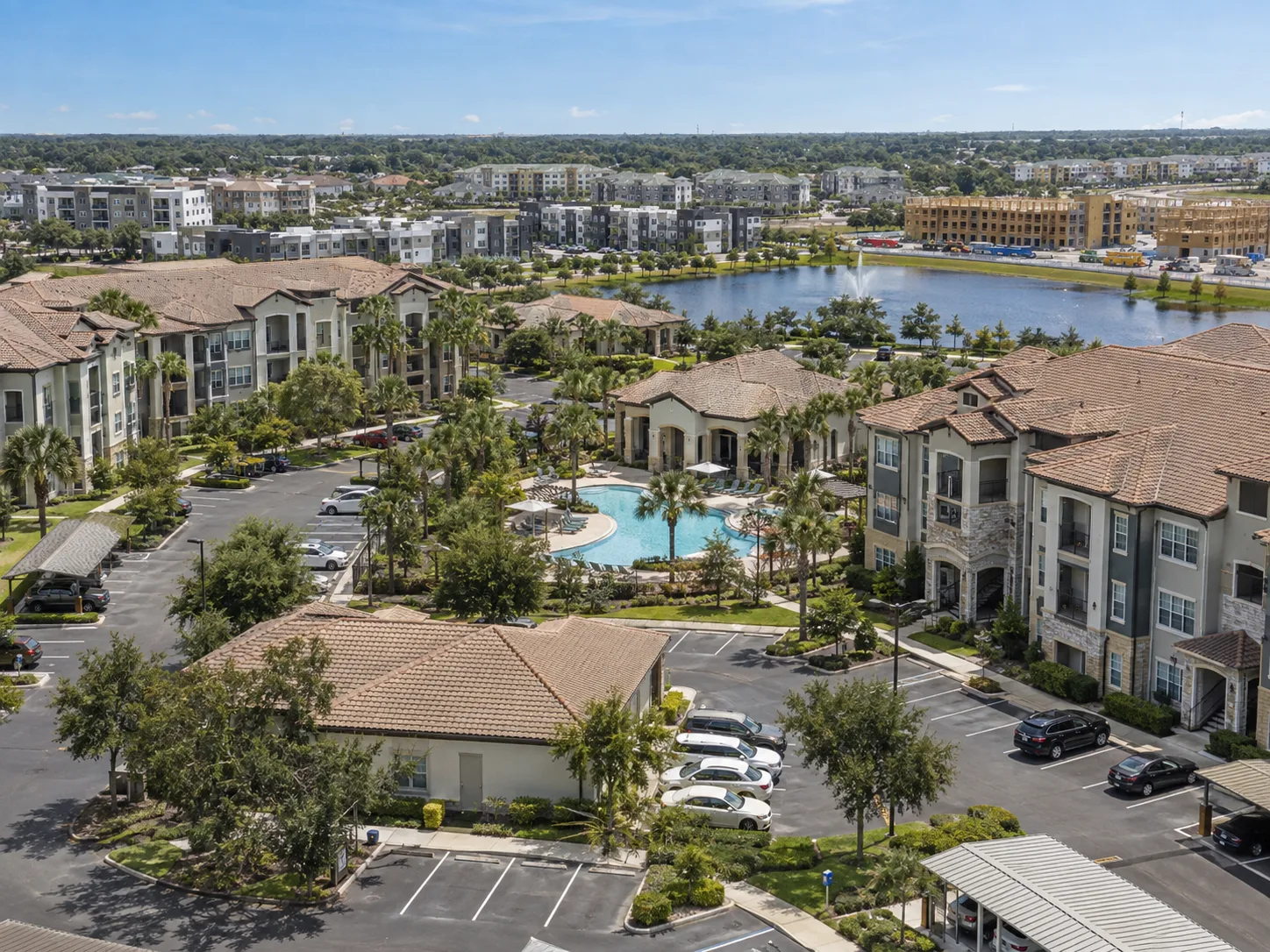
Cap-rate pressure is more apparent in garden properties than in mid- and high-rise assets. Garden communities are often concentrated in suburban, car-oriented Sun Belt markets. Those areas can support strong renter demand, but developers also have more opportunities to add competing supply.
The renewed focus on Sun Belt apartment oversupply is restoring a risk premium that narrowed during the pandemic. Dense urban properties face different constraints. Limited sites, adjacent uses, construction complexity, and local restrictions can reduce the future supply pipeline.
MSCI said the cap-rate spread between garden and mid- and high-rise apartments remains narrow. It appears to be widening toward a more conventional relationship where assets with greater supply exposure command a higher yield.
The Pandemic Premium Fades
Pandemic-era migration temporarily changed investor assumptions. Southern and Southeastern markets attracted renters and large amounts of capital. Costello said some suburban properties traded at cap rates near 3% as investors competed for growth exposure.
That growth narrative did not eliminate construction risk. Garden properties can benefit from strong demographics and still face pressure when developers deliver competing units. As those pandemic assumptions fade, investors are returning to property-level questions about land availability, development pipelines, and durable income.
The difference is especially important when capital costs are already high. More competing units can limit rent growth just when owners need stronger income to offset wider cap rates. Dense locations are not immune to financing pressure, but barriers to new supply can provide another layer of protection.
Underwriting Gets More Specific
July volume may be too thin to call a turning point, especially because revisions and large portfolio sales can distort the monthly totals. The more useful signal is the return of supply protection as a valuation advantage.
Investors now have to assess whether a submarket can absorb new units, whether rent growth can offset financing costs, and whether a property’s location limits future competition. Garden apartments are not automatically weaker investments, but the pricing trend shows that exposure to new supply is again receiving a clearer cost in the market.
That shift also changes how buyers interpret broad Sun Belt growth. Population gains can support demand, but land availability can still produce more competing apartments. Investors are again separating demographic strength from the physical barriers that determine how easily new supply can enter a submarket.