



Multifamily Permitting Shifts Toward Smaller, Fast-Growing Markets
Multifamily development is concentrating in smaller, fast-growing metros, with Durham leading per-capita activity while Columbia and San Jose post the biggest year-over-year gains.

Nina Dale
September 04, 2026
In partnership with

Good morning. Big multifamily pipelines are showing up in smaller places. New permitting data point to fast-growing metros, particularly in the Carolinas, as increasingly important centers of apartment development.
🎙️ This Week on No Cap: Hines' Ray Lawler on why "praying for cap rate compression" isn't a strategy.

CRE Trivia 🧠
Which company introduced a standardized credit-scoring model to U.S. lenders in 1989, now influencing over 90% of domestic lending decisions?
IN PARTNERSHIP WITH CRE SEARCH PARTNERS
The right hire changes everything

When a critical role needs to be filled, CRE Search Partners helps commercial real estate companies find the right person for it.
Our retained executive search practice, created by CRE Daily and CA Search Advisors, partners directly with employers to recruit leaders and key contributors for growth hires, succession plans, newly created roles, and confidential searches.
Planning your next key hire? Let’s talk.
*This is a paid advertisement. Please see the full disclosure at the bottom of the newsletter.
Market Snapshot
|
|
||||
|
|
*Data as of 09/03/2026 market close.
Permitting Surge
Multifamily Permitting Shifts Toward Smaller, Fast-Growing Markets
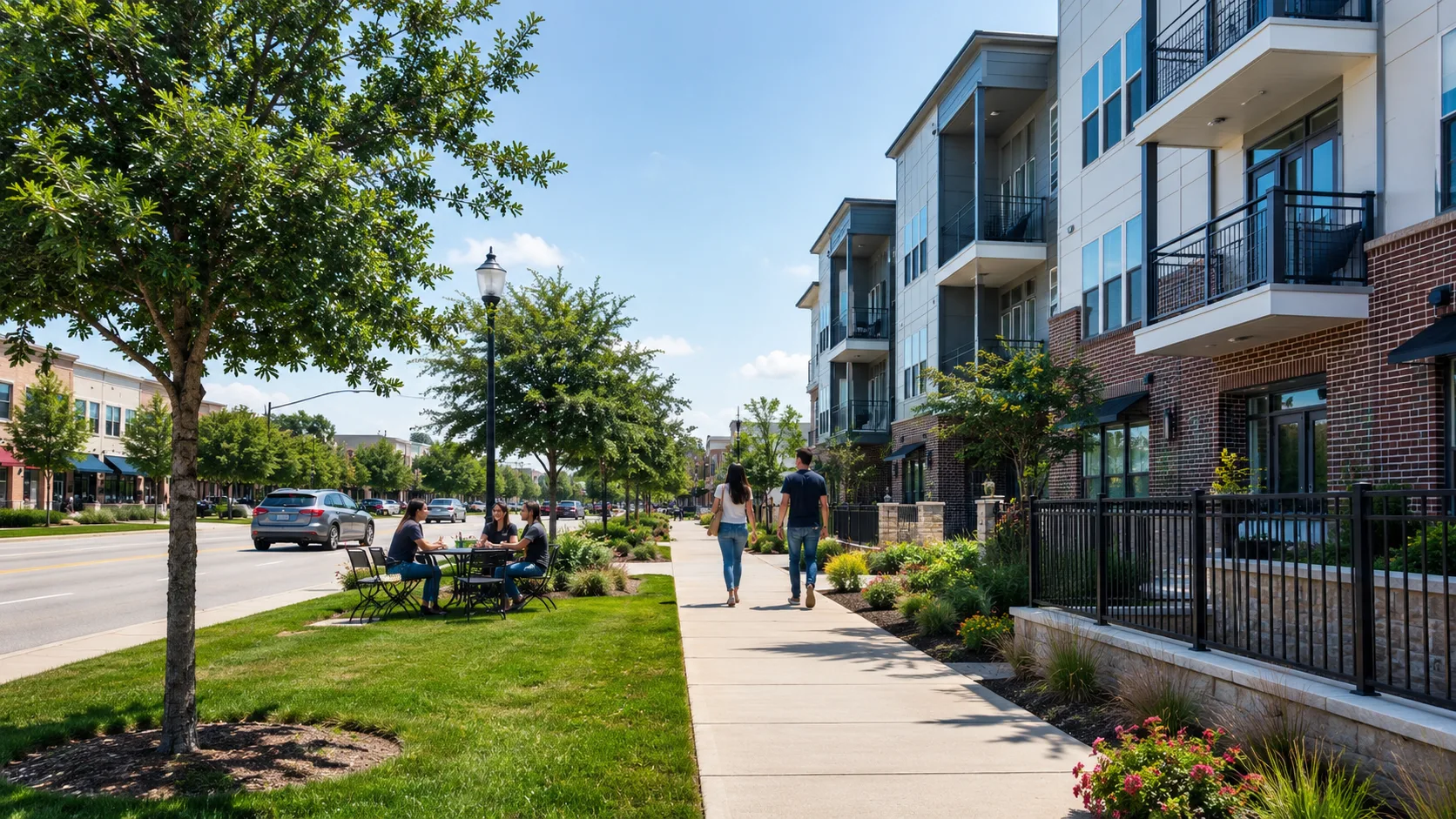
Apartment development is finding new hot spots, with smaller metros and the Carolinas punching above their weight as national permitting levels stabilize.
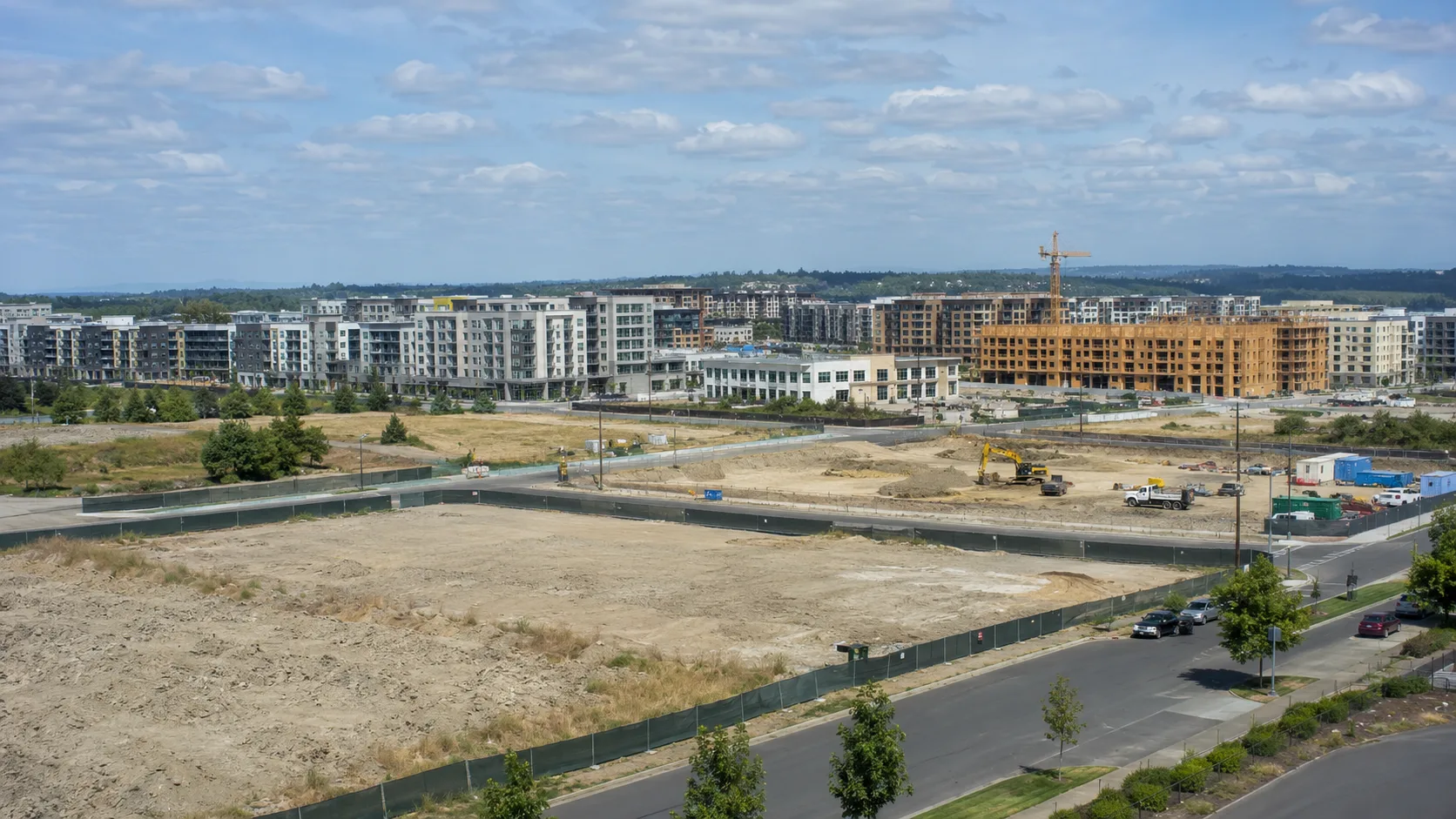
Where construction is concentrating: Durham, NC, led the 100 largest U.S. metros in multifamily permitting intensity during the first half of 2026, authorizing 2,826 units in buildings with five or more units. That equates to 45.2 units per 10,000 residents, 56% higher than second-place Fayetteville, AR.
Small metros, big pipelines: Fayetteville authorized 1,800 units, or 28.9 per 10,000 residents, nearly double its year-ago rate. Raleigh ranked third at 26.5 units per 10,000 residents. Overall, seven of the eight most permit-intensive markets had populations below 1.5M, signaling that development is increasingly concentrating outside the country's biggest metros.
The Carolinas stand out: Durham, Raleigh, Columbia, SC, and Charlotte, NC, all ranked among the top 12 for permitting intensity. Strong population growth is helping support that activity: South Carolina's population grew 1.5% in 2025, the fastest nationally, while North Carolina ranked third at 1.3%.
Where the pipeline is accelerating: Columbia posted the country's biggest year-over-year jump in authorized multifamily units, soaring 468%. San Jose followed at 366%, aided by efforts to reduce development costs and encourage new housing, while Virginia Beach climbed 342% amid new municipal support for workforce housing. Syracuse and Providence rounded out the top five with increases of 287% and 243%, respectively.

A regional split emerges: The Northeast showed the broadest improvement, with 12 of its 16 top-100 metros permitting more units than a year earlier. The Midwest also gained ground, while most Southern metros declined. The Carolinas were a notable exception, accounting for six of the South's 14 markets with year-over-year permitting growth.
➥ THE TAKEAWAY
Opportunity comes with a caveat: Fast-growing metros can support more development, but rapidly expanding pipelines could eventually pressure occupancy and rent growth if supply starts outrunning demand.
“There's going to be a long lag before that supply actually delivers," said John Griggs on No Cap. "If units aren't under construction, they're not delivering next year.”
✍️ Editor’s Picks
-
Claude now sources CRE deals: Terrakotta's Claude Agent is disrupting the CRE industry as we speak. Brokers can now automate LLC skip-tracing, find motivated sellers, and source off-market deals. (sponsored)
-
Private markets: The SEC is preparing rules to broaden retail access to private markets and expand advisers’ ability to charge performance fees, opening a traditionally exclusive asset class to a wider pool of investors.
-
Rising yields: Higher long-term bond yields are squeezing CRE liquidity and pricing, putting the global recovery at risk while private capital gains market share.
-
REITs pullback: REITs fell 2.7% in August as broader markets rallied, but their 14.5% year-to-date return still outpaces major stock indexes, led by lodging, data centers, and specialty sectors.
-
Investor losses: More than 150 investors were allegedly defrauded of over $80M as two California private funds used new capital to cover redemptions before collapsing into bankruptcy.
🏘️ MULTIFAMILY
-
Rent reset: U.S. apartment rents edged down 0.03% in August to $1,751, but annual growth improved to 1.3% as supply pressures continued to weigh unevenly across markets.
-
Southern winners: McKinney leads RentCafe’s 2026 renter rankings for a second year, with Southern cities claiming 37 of the top 50 thanks to affordability, economic growth and quality of life.
-
Pipeline gap: An estimated 750,000 entitled-but-unpermitted multifamily units represent up to $265B in potential development, leaving a major supply pool largely invisible to standard federal housing data.
-
Six-hour burden: Portland’s multifamily energy-reporting pilot found initial compliance takes about six hours per property, while proposed emissions standards could add significant long-term upgrade costs for owners.
🏭 Industrial
-
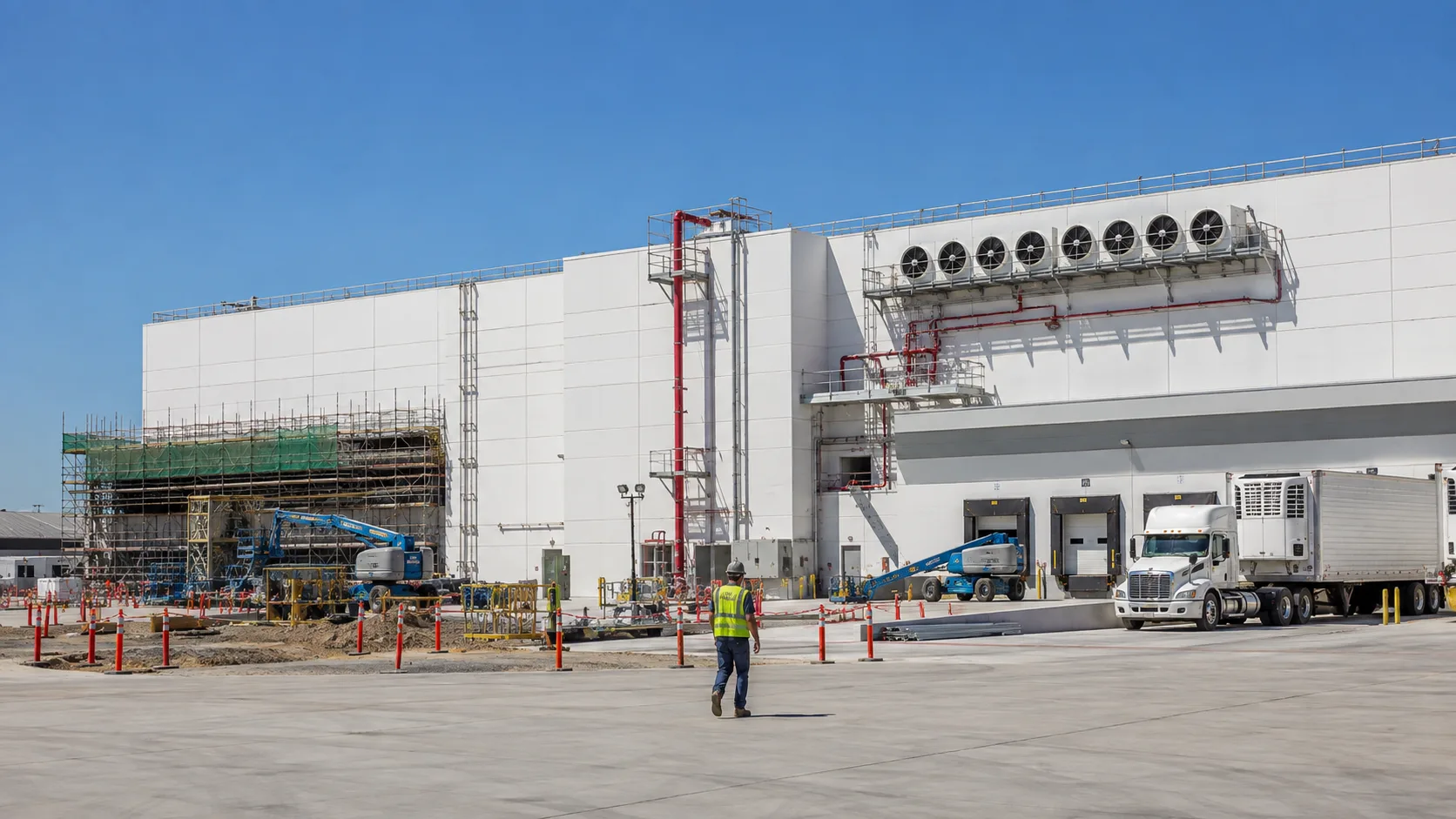
Cold storage: California lawmakers are weighing $20M contingency funds and steeper fines for cold-storage facilities, adding costs and regulatory hurdles to an already constrained development market.
-
Equity bottleneck: Houston’s industrial fundamentals remain strong, but selective institutional equity is slowing new development even as lenders compete to finance projects.
-
Hillsboro expansion: Trammell Crow breaks ground on 294,700 SF of speculative industrial space at Sewell Corporate Park, adding to its growing Hillsboro development pipeline.
🏬 RETAIL
-
Pop-up playbook: Spirit Halloween turns vacant retail space into seasonal revenue, using flexible leases, landlord relationships and fast buildouts to activate roughly 1,500 stores each year.
-
Loan cleared: Westfield Montgomery has fully repaid its $350M loan as new retailers bolster the 1.2M SF Bethesda mall, signaling renewed confidence after years of financial pressure.
-
Labor tensions: More than 7,000 unionized workers at 46 Chicago hotels are without contracts, raising the prospect of a strike as tourism rebounds and negotiations remain unresolved.
🏢 OFFICE
-
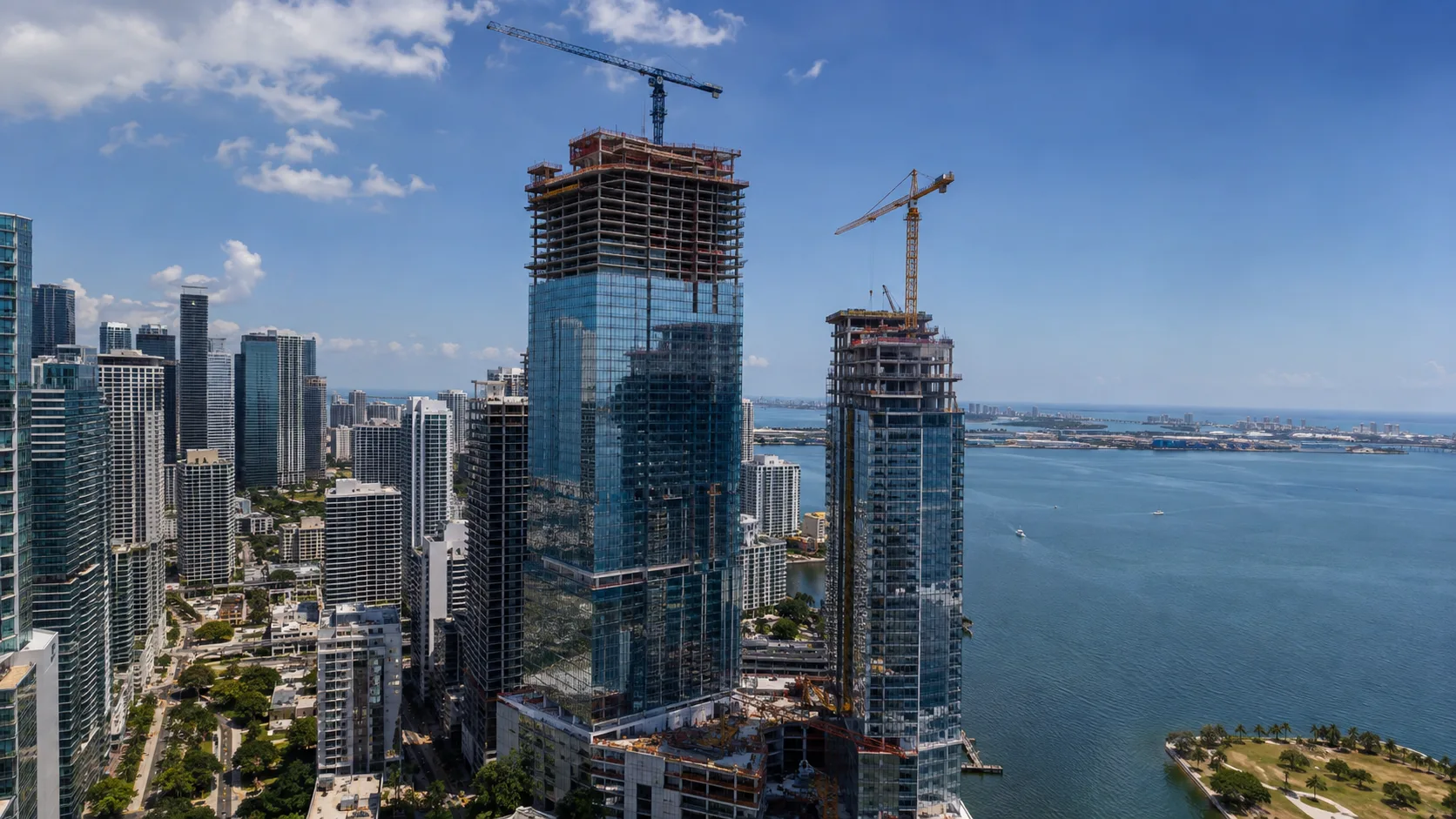
Miami rebound: Miami’s office shortage is fueling two major Brickell towers that could add more than 1M SF of space and reignite corporate relocations across the market.
-
Workspace expansion: Industrious is adding 12,000 SF at Glendale’s historic Masonic Temple, marking its 19th L.A.-area location and continued push into flexible office space across Southern California.
-
Distressed bargain: Duvalla Investments and Epoch Residential bought Orlando’s 359,514 SF Sea Harbor Office Center for $17M, 74% below its 2015 sale price, highlighting continued opportunities in distressed office assets.
🏨 HOSPITALITY
-
Labor tensions: More than 7,000 unionized workers at 46 Chicago hotels are working without contracts, raising strike risks as tourism rebounds and negotiations remain unresolved.
-
Ancillary revenue: Crestline is leaning harder on add-on guest spending and stronger service as inflation pressures hotel margins, using portfolio-wide strategies to grow revenue while improving satisfaction.
-
Austin financing: JMI Realty secured a $28.8M acquisition loan for the 254-room Hilton Garden Inn Austin Downtown, positioning the hotel for capital improvements alongside the nearby convention center expansion.
📈 CHART OF THE DAY

July CRE sales held nearly flat at $36.3B, as surging office (+31%) and hotel (+61%) investment offset declines in multifamily (-16%) and retail (-13%), while pricing remained under pressure.
Fair Isaac Corporation, now FICO. Founded in 1956 by engineer William Fair and mathematician Earl Isaac, the score transformed underwriting by distilling borrower history into a single predictive number.
More from CRE Daily
-
📬 Newsletters: Stay ahead of the market with local insights from CRE Daily Texas and CRE Daily New York.
-
🎙️Podcast: No Cap by CRE Daily delivers an unfiltered look at the biggest trends—and the money game behind them.
-
🗓️ CRE Events Calendar: The largest searchable calendar of commercial real estate events—filter by city or sector.
-
📊 Market Reports: A centralized hub for brokerage research and market intelligence, all in one place.
-
📈 Fear & Greed Index: A fully interactive sentiment tracker on the pulse of CRE built in partnership with John Burns Research & Consulting.

You currently have 0 referrals, only 1 away from receiving Multifamily Stress Test Model.
What did you think of today's newsletter? |