




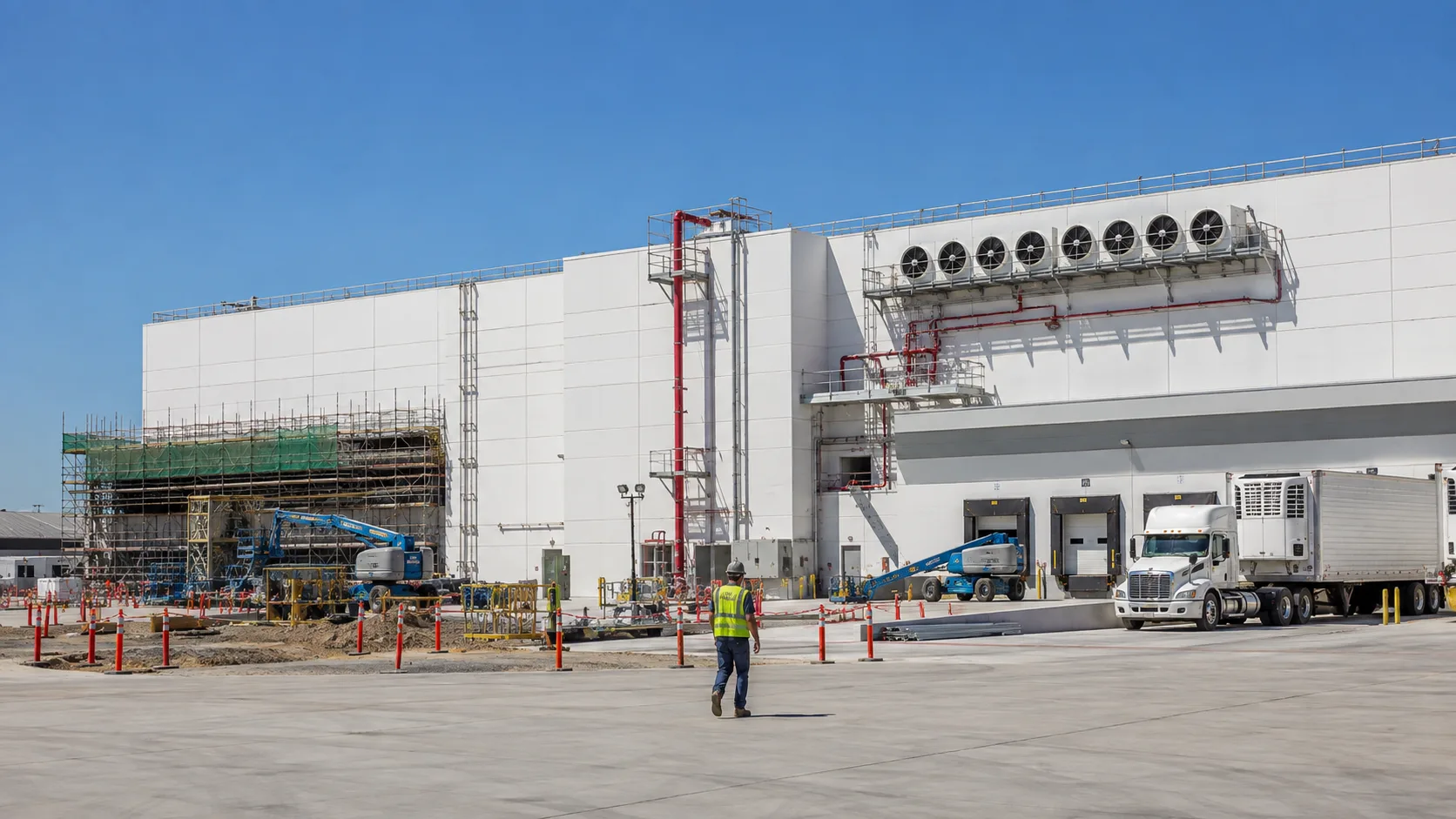



- California lawmakers approved two bills that would add financial requirements and tougher penalties for cold storage facilities.
- AB 817 requires qualifying projects above 20K SF to maintain contingency funds reaching $20M. SB 716 increases penalties for major violations.
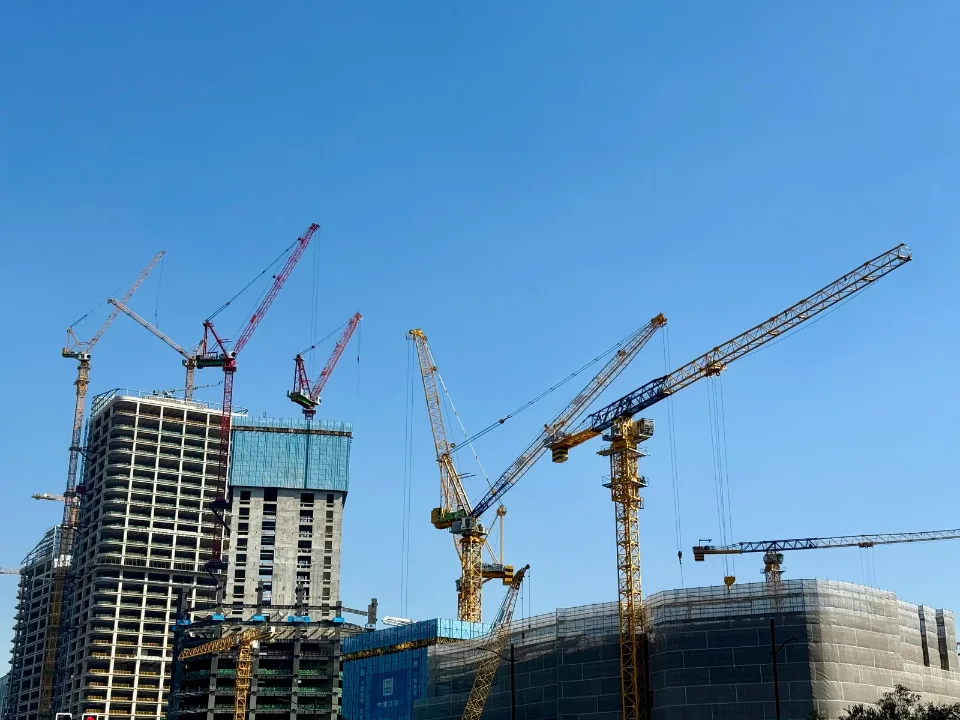
- The measures could limit new supply as California developers already contend with high construction costs and weak development activity.
Two California cold storage bills now await Gov. Gavin Newsom’s signature after clearing the state Legislature, reports Bisnow. Lawmakers introduced both measures following the June 2026 Boyle Heights warehouse fire.
The legislation targets financial accountability and health and safety violations. However, industry leaders say the measures could create additional barriers for cold storage development.
Get Smarter about what matters in CRE
Stay ahead of trends in commercial real estate with CRE Daily – the free newsletter delivering everything you need to start your day in just 5-minutes
After the Boyle Heights Fire
The Boyle Heights cold storage warehouse burned for about a week in June 2026. Cleanup crews removed burned and decomposing inventory by Aug. 29, according to Bisnow’s 2026 reporting.
Nearby residents reported rats, flies, odors, and other neighborhood impacts. Residents also unsuccessfully pushed local officials to declare a state of local emergency.
The Details
Assembly Member Mark Gonzalez introduced AB 817, which targets new cold storage facilities larger than 20K SF. Developers would need contingency funds reaching $20M, according to California’s 2026 Digital Democracy bill tracker. The requirement would initially cover Boyle Heights before expanding statewide in July 2028.
Sen. María Elena Durazo introduced SB 716. The measure would increase penalties for major violations at large commercial properties, including refrigerated warehouses.
California Cold Storage Faces a Supply Squeeze
California cold storage developers already face high construction costs and difficult project economics. Developers typically require preleasing commitments or build-to-suit agreements before starting construction. New financial requirements could raise that hurdle further. Cold storage has also faced shifting national supply and demand conditions.
Southern California also has an aging cold storage network. Newmark’s 1H 2026 report says the average Inland Empire facility dates to 1974. Bisnow reported about 600K SF under construction in the market during 2026.
Industry Pushes Back
Industry groups support stronger community protections but question whether statewide penalties offer the right solution. CRE Development Association of Southern California CEO Tim Jemal raised concerns about penalizing operators already meeting existing regulations.
Provender Partners CEO Neil A. Johnson expects the bills to make refrigerated warehouse development harder. He also cited California’s high costs, labor pressures, and business outmigration as existing challenges. Those barriers could ultimately benefit owners of existing cold storage properties.
Why It Matters
California policymakers face a trade-off between community protections and investment in an aging cold storage network. Newmark’s 2026 data shows the Inland Empire’s average facility dates to 1974. That aging inventory increases the need for modern replacement space.
Yet additional financial requirements could make those projects harder to finance. Tighter development could preserve scarcity and reduce competition for existing owners. Occupiers could also face fewer options for modern refrigerated facilities.
The effects could extend beyond developers and property owners. Food distributors, grocers, and manufacturers depend on modern refrigerated infrastructure across Southern California. Limited construction could leave occupiers competing for older facilities with less efficient systems. Meanwhile, higher replacement costs could support rents and valuations at existing properties. That dynamic could widen the gap between California and lower-cost logistics markets. Investors will closely watch how operators respond to these new requirements.
What’s Next
Newsom must decide whether to sign SB 716 and AB 817. AB 817 would first test its contingency-fund requirement in Boyle Heights. The requirement would then expand statewide in July 2028.
Green Street’s Vince Tibone expects limited immediate effects because California already has little cold storage development. However, he expects the legislation to add costs and development barriers over time.