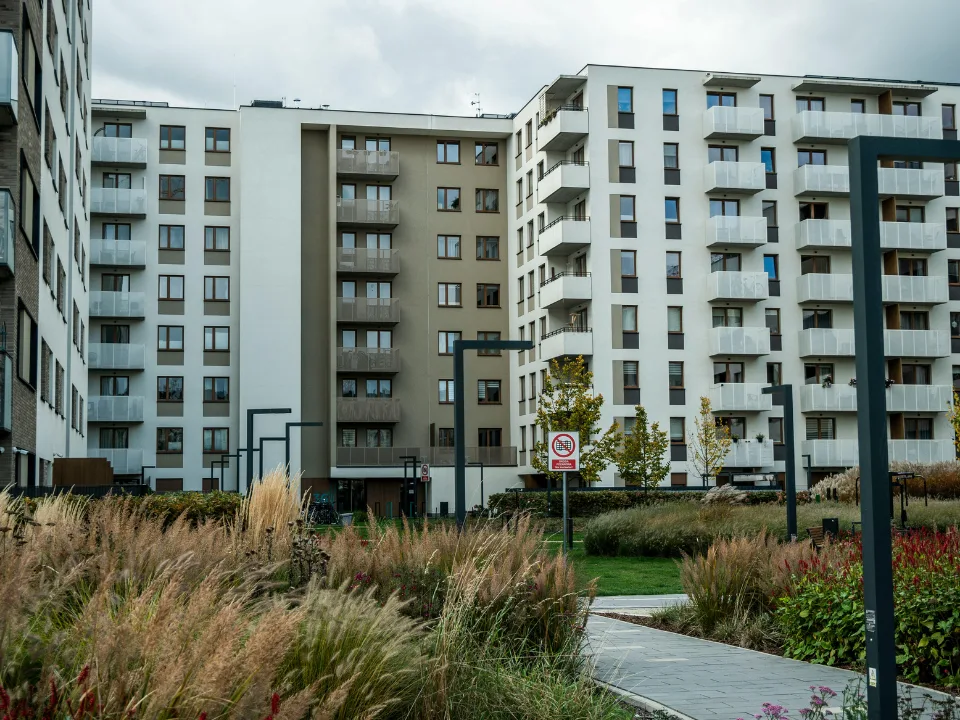








- Canada-based Manga Hotel Group bought the 158-key Chelsean New York hotel at 158-162 West 25th Street from the Lam Generation for $50 million.
- It’s the second transaction between the two parties in just over a year, following Manga’s $56 million purchase of SoHo’s 54 Watts Street hotel in 2025.
- The deal shows continued investor appetite for New York City hotel assets, even as buyers weigh repositioning older properties for residential or mixed use.
The Chelsean New York Hotel has traded hands for $50 million, according to Commercial Observer. The Lam Generation, led by Jeffrey Lam, sold the 158-key Chelsea hotel at 158-162 West 25th Street to Manga Hotel Group, marking the second transaction between the two parties in just over a year.
Get Smarter About What Matters in New York
Subscribe to our free newsletter covering the biggest commercial real estate stories across the five boroughs — delivered in just 5 minutes.
A Repeat Buyer
Manga entered the New York City market in February 2025. The firm paid $56 million for the 160-key hotel at 54 Watts Street in SoHo, also known as the SoHo 54 Hotel. The 19-story property operates under the Toor Hotel Collection and appears to remain open. The Canada-based buyer primarily operates hotels but also invests in residential real estate. That mix could give Manga the option to reposition the 21-story Chelsean if a different use makes more financial sense.
Chelsea Hotel Deal Details
Developer Eric Brown built the Chelsean in 2001 after acquiring the site for $1.6 million in 1999. Veteran investment sales broker Bob Knakal handled that original deal, according to an announcement on his current firm’s website. The deed confirming the latest sale became public Monday. The transaction’s broker remains unclear. Representatives for Manga and the Lam Generation did not immediately respond to requests for comment on the terms or future plans.
Zooming Out
Manga’s repeat purchase comes as investor competition for hotels has intensified nationwide. Buyers are targeting well-located urban assets with stable cash flow or conversion potential. The back-to-back deals also show the Lam Generation’s active approach to selling New York City hotel assets. That relationship could give Manga a direct path to expand without a competitive bidding process.
Both of Manga’s Manhattan purchases sit in dense, transit-connected neighborhoods. Neither lies in the Midtown core. The pattern suggests a deliberate strategy focused on mid-size boutique hotels outside the city’s most expensive submarkets.
Why It Matters
The sale shows that smaller boutique hotels in walkable neighborhoods such as Chelsea and SoHo can still attract buyers. Some owners, meanwhile, are considering residential or other conversions for aging hotel properties. Manga’s two Manhattan acquisitions in 18 months point to a broader New York portfolio strategy rather than a one-off purchase. Its focus on both hospitality and residential real estate also gives the firm more flexibility if the Chelsean’s economics favor a future conversion.
What’s Next
Watch whether Manga keeps the Chelsean operating as a hotel or pursues a residential conversion. The firm’s focus on both asset types gives it flexibility to choose between those options. The repeat purchases from the Lam Generation also raise the possibility of more deals involving the seller’s New York City holdings.