






- Owners told the Chicago Fed that insurance, taxes, utilities, equipment, and labor costs are rising faster than rents.
- Participants refinancing 2021 debt reported interest rates moving from as low as 3% to 6% or more.
- About half of surveyed owners still wanted to acquire properties in 2026, and most planned major investments or repairs.
Rogers Park multifamily owners are facing a widening cost squeeze across operations, debt, labor, and insurance. The Chicago Fed convened about 20 neighborhood owners in February 2026 and surveyed most participants. Their responses show how rising expenses can pressure both owner profitability and naturally occurring affordable housing.
Get Smarter about what matters in CRE
Stay ahead of trends in commercial real estate with CRE Daily – the free newsletter delivering everything you need to start your day in just 5-minutes
Rogers Park Multifamily Base
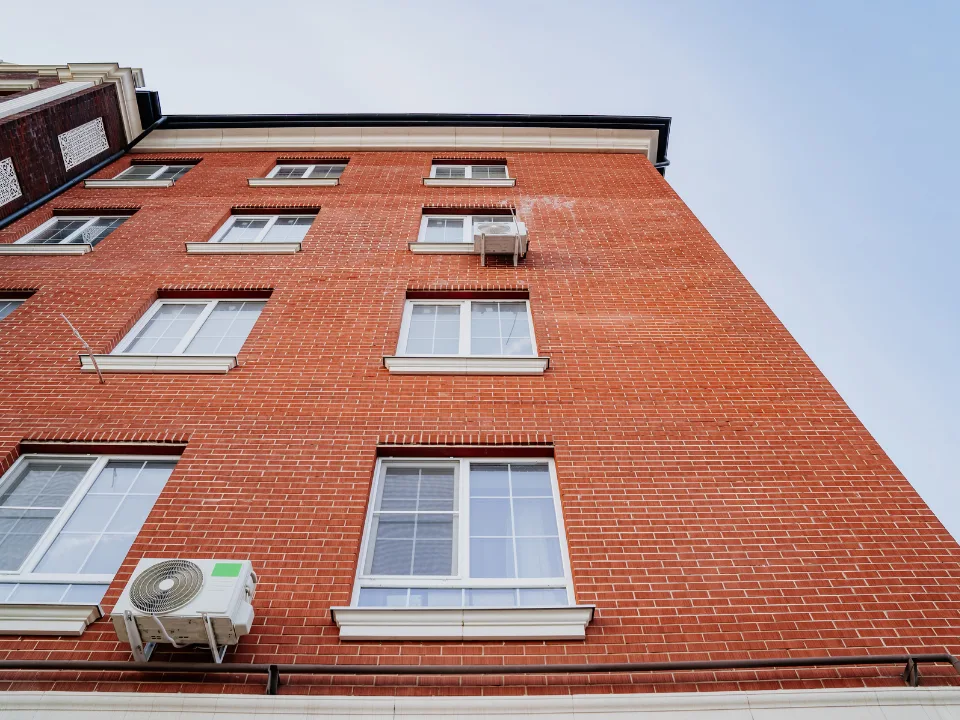
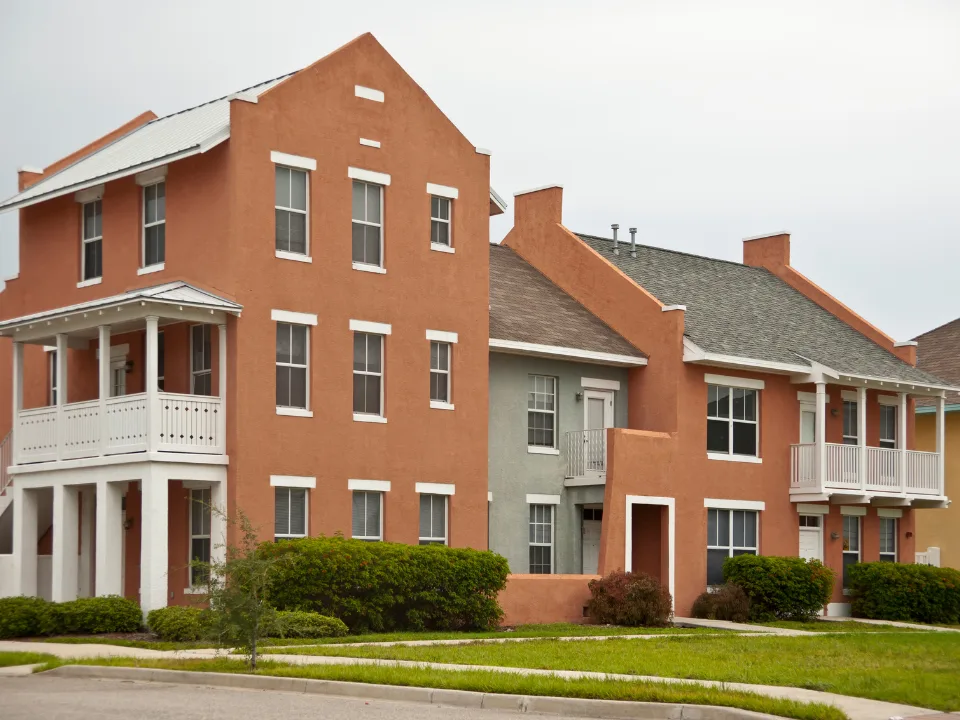
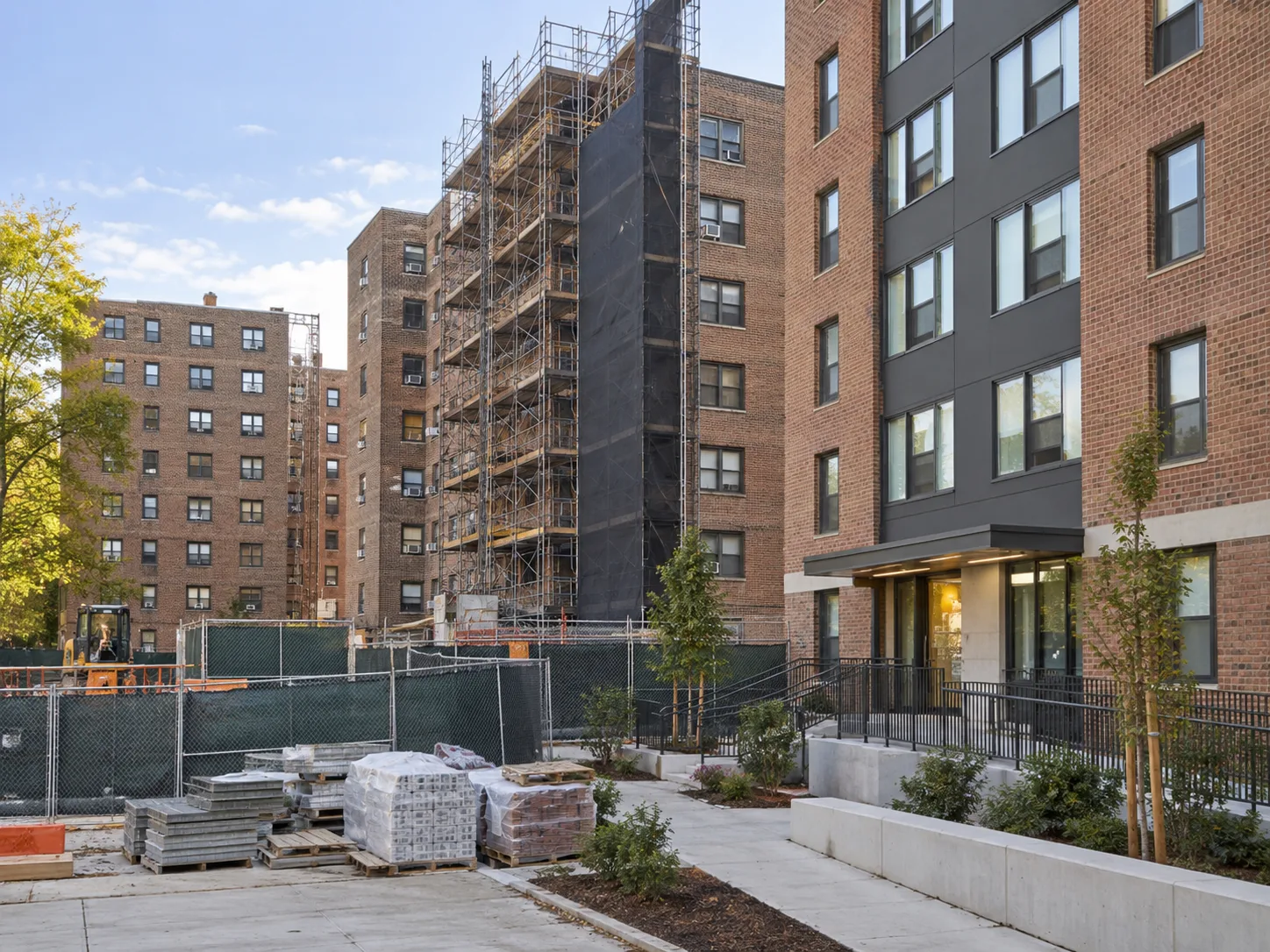
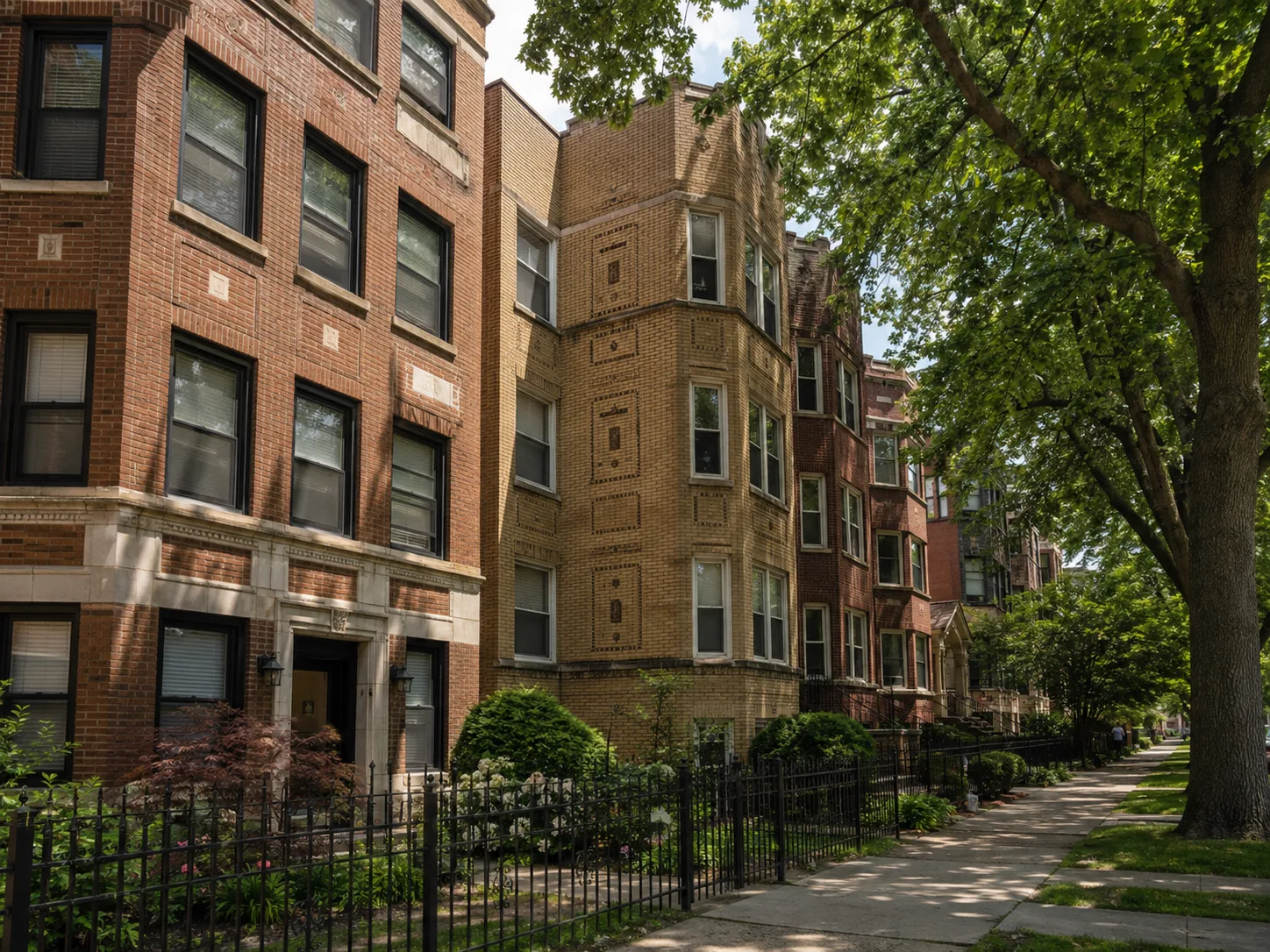
Multifamily buildings are central to the neighborhood’s housing stock. Chicago Fed calculations using 2020-24 Census data put multifamily housing at 92% of Rogers Park stock.
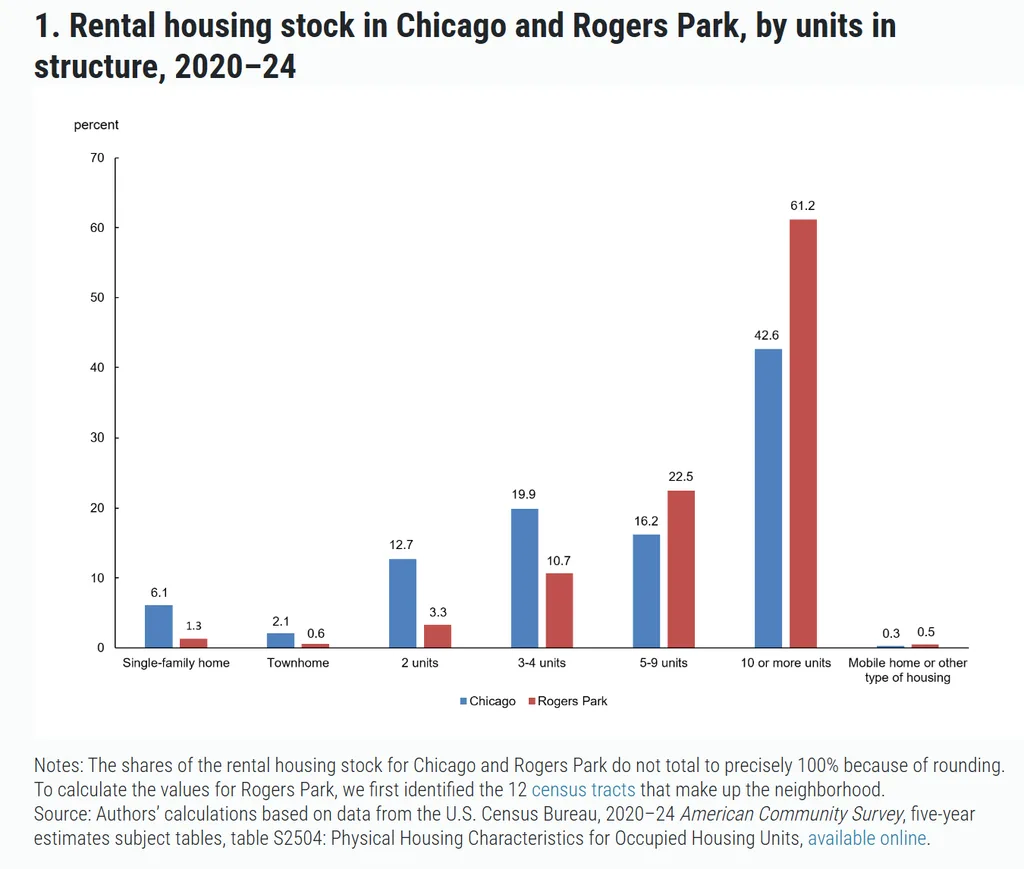
The citywide share was 69%. About 72% of occupied Rogers Park units are rentals, compared with 54% across Chicago. Buildings with at least 10 units account for 61.2% of neighborhood rental stock, versus 42.6% citywide.
Operating Costs Outrun Rents
Participants said insurance, property taxes, utilities, equipment, and labor are rising faster than rents. Some owners reported that annual rent increases of 4% to 6% still failed to cover expense growth. Property insurance costs were a recurring pressure, with owners citing higher premiums, limited policy choices, and repair requirements. Older buildings were described as particularly difficult to insure affordably.
Debt and Labor Add Pressure
Owners refinancing loans originated in 2021 face a sharp reset in carrying costs. Roundtable participants reported rates moving from as low as 3% to 6% or more. Maintenance and rehabilitation labor is also tight. Owners said immigration enforcement is affecting labor supply. Long-time maintenance workers are retiring. Skilled workers familiar with older buildings are becoming harder and more expensive to find.
Why It Matters
The cost pressure lands in a neighborhood where affordability is already constrained. Chicago Metropolitan Agency for Planning data cited by the Fed put median household income at $60,916 in Rogers Park.
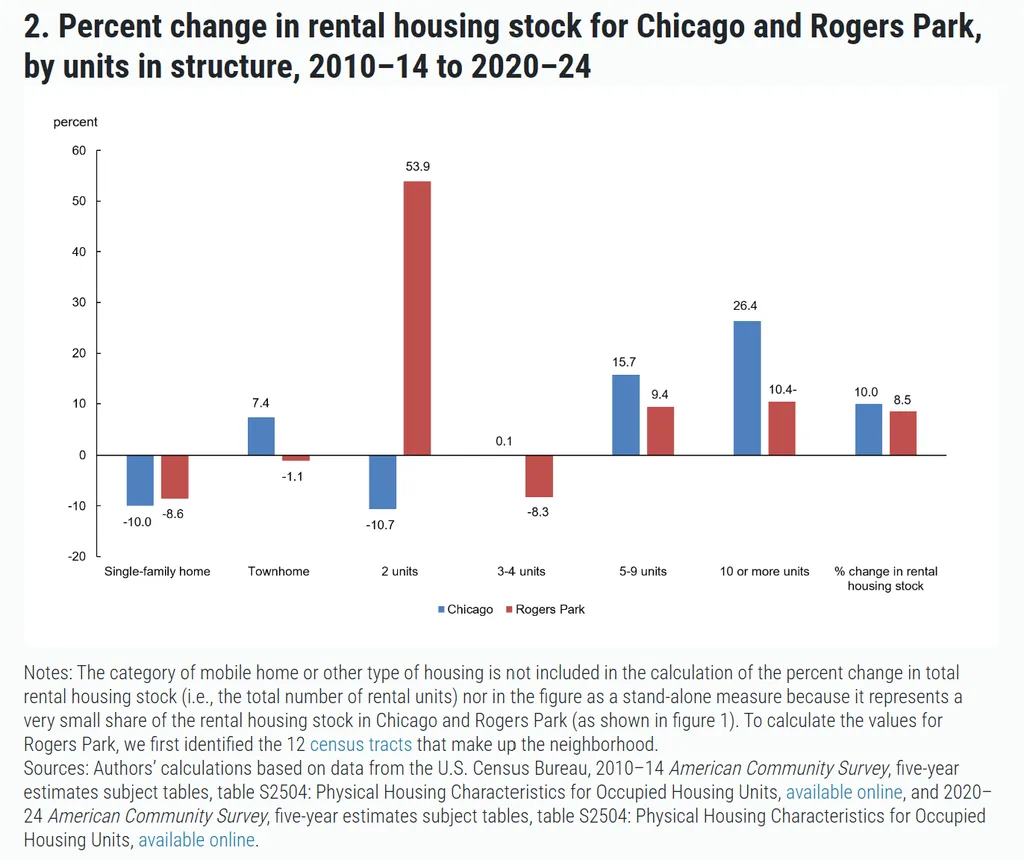
Chicago’s median was $77,902. June 2026 Zillow data showed average apartment and condo rent of $1,800 in zip code 60626. The citywide average was $1,915. Census data showed 48% of Rogers Park renters were cost-burdened, versus 46% citywide.
What’s Next
Owners are not uniformly pulling back. About half of survey respondents were interested in acquiring properties in 2026. They favored neighborhoods able to support higher rents. Most expected major investments, renovations, or repairs to current holdings. The Chicago Fed said labor, interest rates, and insurance could keep raising costs and eventually pressure rents.