



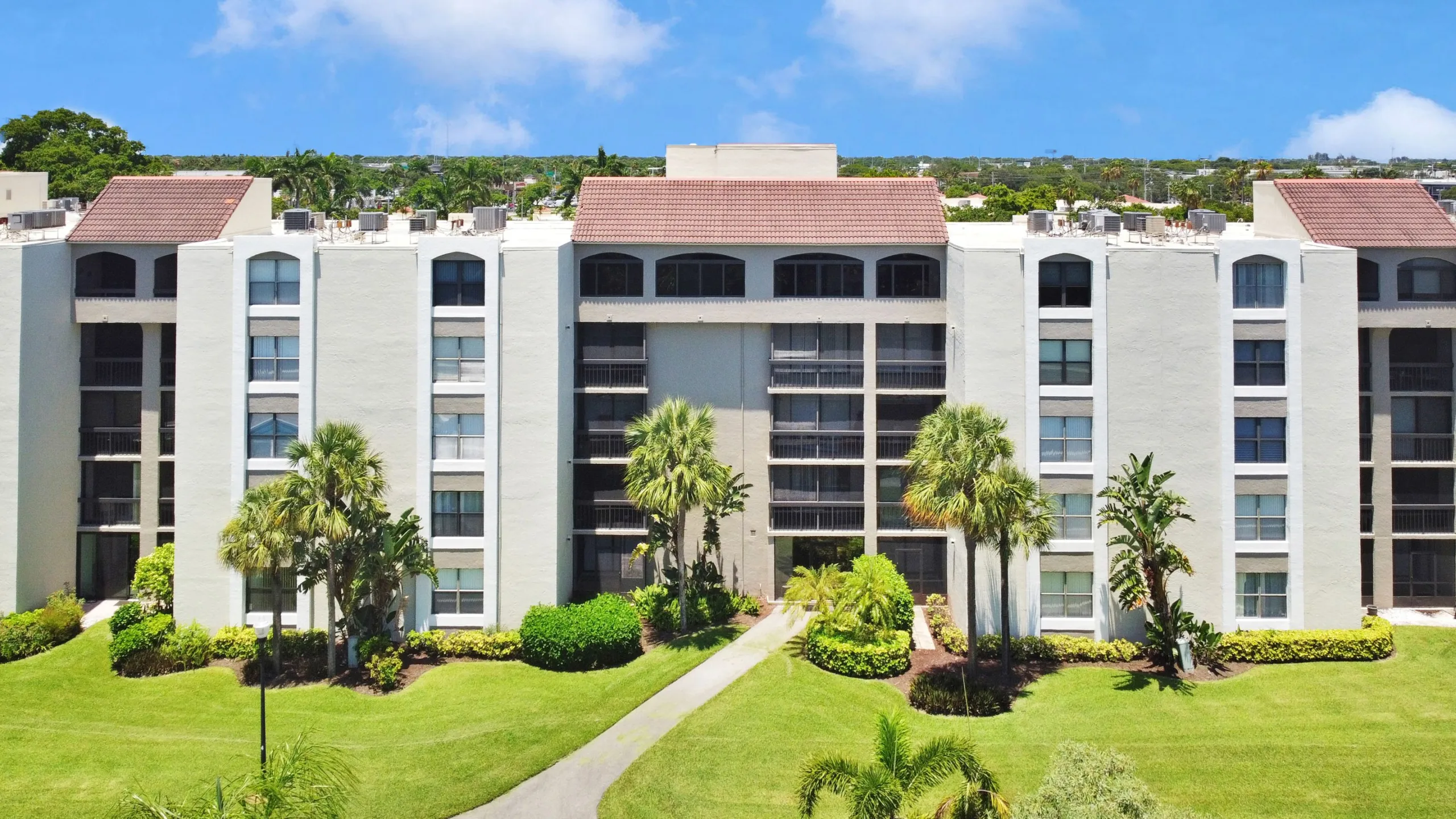



- Senior housing drew $12.1B in Q1, its strongest quarter in at least 20 years, per MSCI.
- Q2 pricing reached nearly $185,000 per unit, up from $182,800 in Q1. That marks a jump of more than 30% since early 2025, per MMCG Investment.
- Thin new development and long-term HUD financing let owners hold, tightening supply for eager buyers.
Senior housing owners hold the pricing power right now, but many refuse to sell. T7 Capital co-founders Ari Adlerstein and Josh Simpson told Bisnow the reason. Strong operating fundamentals are keeping assets off the market. Demand is climbing as the oldest baby boomers reach their 80s.
Get Smarter about what matters in CRE
Stay ahead of trends in commercial real estate with CRE Daily – the free newsletter delivering everything you need to start your day in just 5-minutes
Silver Tsunami Reshapes Fundamentals
The long-expected silver tsunami has arrived. The oldest baby boomers are now moving into their 80s. Demand for senior housing and nursing care is outrunning supply. Adlerstein said the pandemic helped set up the boom, and too few units are coming online to meet it. Rents for nursing care homes rose 5.6% year over year in the second quarter, per NIC Map. Available beds shrank over the same stretch. That mix of rising income and scarce supply has left well-positioned owners, in Adlerstein’s words, sitting pretty.
The Details
Second-quarter pricing reached nearly $185,000 per unit, up from $182,800 in the first quarter, per MMCG Investment. That is more than 30% above where pricing sat at the start of 2025. Sellers who once fell short of their targets are now clearing them. Adlerstein pointed to a portfolio T7 shopped two years ago at $175M, when the owner could not get there. It is now under contract near $200M. Many owners are refinancing into 30-year HUD loans and settling in to hold.
Investors Chase Limited Product
Capital is crowding into the sector. Investors spent $12.1B on senior housing in the first quarter, per MSCI data shared with Bisnow. That was the most of any quarter in at least 20 years. The sector is also attracting new investors as strong demographics and limited supply improve its long-term appeal.
Over the past 12 months, only data centers traded more actively. Multifamily buyers moved in to chase better yield. Roughly 86% of institutional investors planned to raise their senior housing allocations this year, per a JLL survey.
Why It Matters
The reluctance to sell is itself the story. With strong cash flow and cheap long-term debt, owners see little reason to trade out. Many skilled-nursing clients are family offices with no fund life, buying to pass assets to future generations, Adlerstein said. NIC Map’s Lisa McCracken said the development bottleneck sits on the capital side, not on demand. High labor and material costs, plus valuation dynamics, are keeping many groups from breaking ground. That points to a possible shortage of senior housing and nursing beds.
What’s Next
T7 expects the pace to hold. The firm projects about $5B in transactions this year, up from $3B a year earlier. Simpson pointed to recent deals as proof of demand, including a $280M purchase of 22 Midwest properties. With so much capital chasing limited product, prices should stay elevated. Adlerstein’s pitch to holdouts is blunt. Wait too long, he said, and an aging asset may fetch a smaller number per unit.