







- US casinos are shifting focus towards experiential amenities like sports, wellness, and street food to appeal to Gen Z.
- Properties are reducing gaming floor space in favor of outdoor areas, dining, and entertainment, aiming for a social, community vibe.
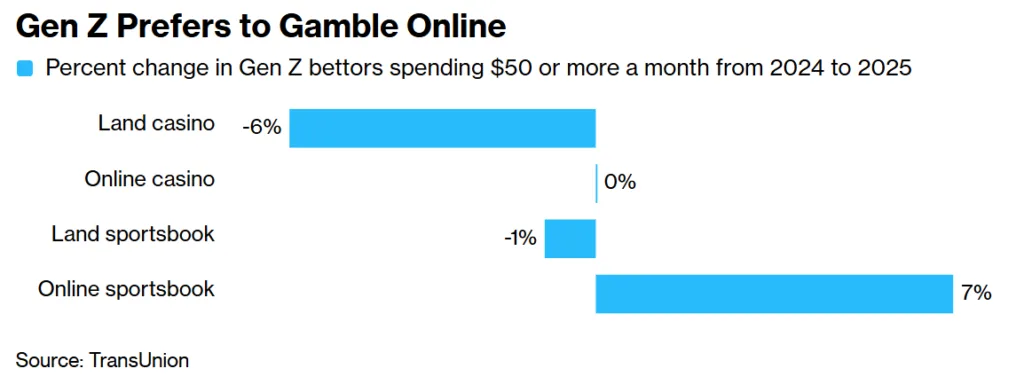
- This strategy responds to the rise of digital betting and lower in-person gambling rates among younger adults, per TransUnion.
Casinos Chase Gen Z With a New Look
Casino operators across the US are dialing back the conventional dark, smoky vibe and reinventing their properties with features designed for a younger, digitally native clientele. Bloomberg reports that both new developments and renovated gaming halls are amplifying outdoor space, natural lighting, and non-gaming options like upscale street food, celebrity-chef restaurants, and bowling alleys. The trend comes as Gen Z, while more likely to bet than Gen X or boomers, overwhelmingly prefers digital sportsbooks and community-based experiences to old-school slot machine marathons. A 2025 TransUnion survey found these younger adults are less inclined to gamble in-person—forcing the industry to adapt.
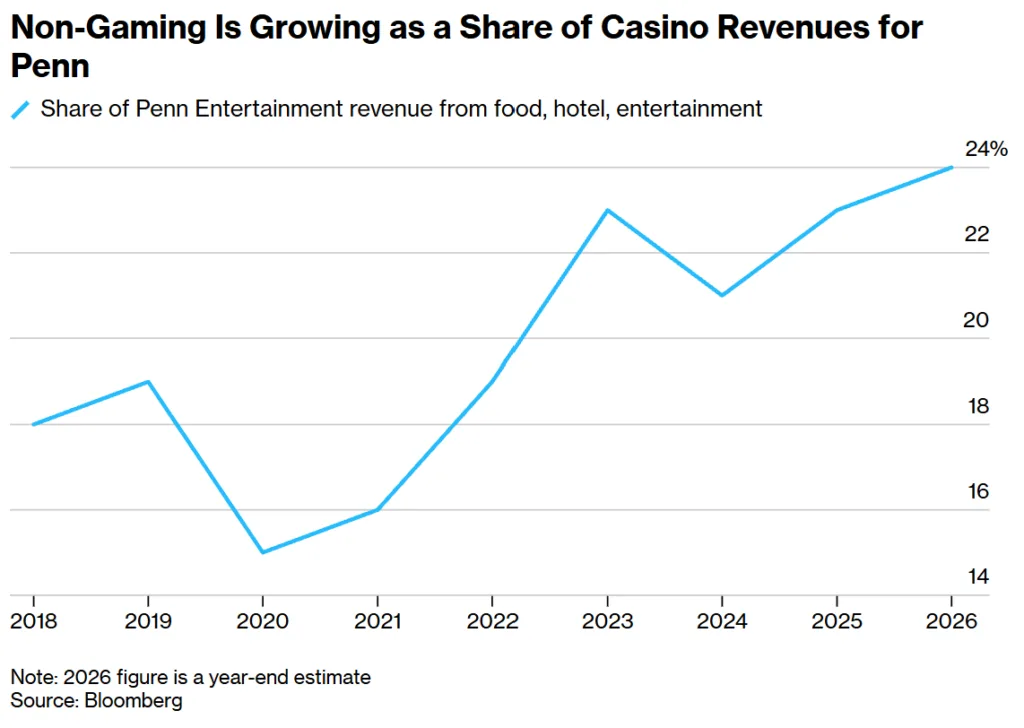
This matters for operators because the share of casino revenue derived from non-gaming amenities is steadily climbing, per Penn Entertainment’s regulatory filings. Add in the ubiquity of DraftKings, FanDuel, and prediction markets like Polymarket, and the imperative to reimagine the casino environment becomes clear: merely offering tables and slots is no longer a winning strategy.
Get Smarter about what matters in CRE
Stay ahead of trends in commercial real estate with CRE Daily – the free newsletter delivering everything you need to start your day in just 5-minutes
The End of the ‘Gross and Smoky’ Vibe
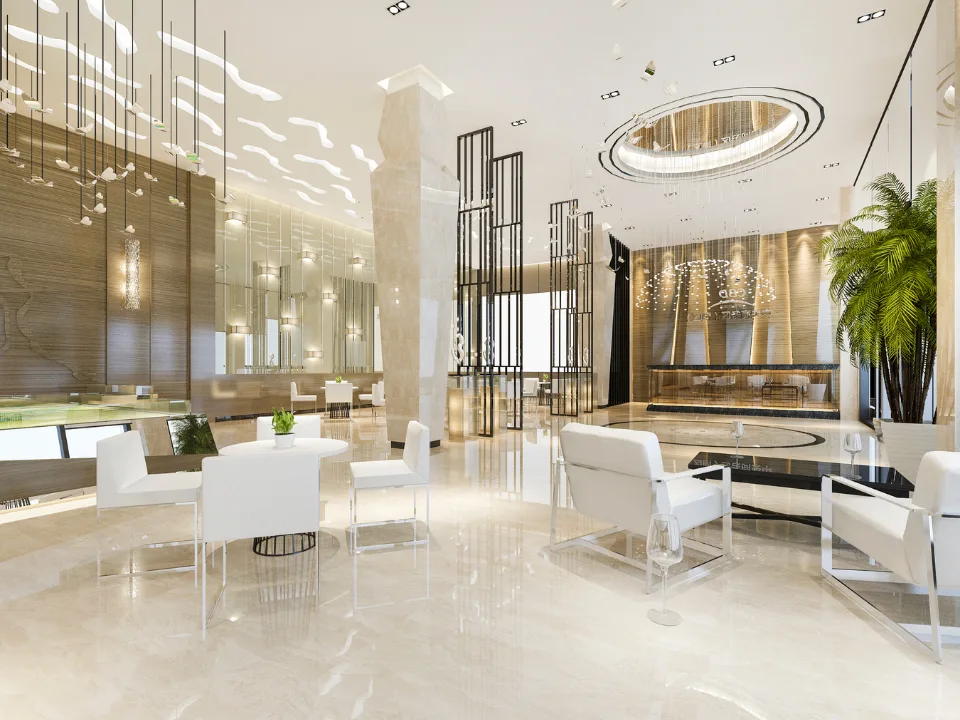
Industry leaders are determined to shake off the vestiges of the traditional casino model. Older halls are getting $100M-plus facelifts for features like floor-to-ceiling windows, locally sourced dining, and outdoor parks. Jordan Bender of Citizens notes a new emphasis on “mousetrap” amenities—ways to keep young visitors spending, even if they aren’t gambling. Spaces that once prioritized eliminating clocks and pumping in cigarette smoke are being replaced by layouts with sunlight, smoke-free zones, and tennis or concert venues. Developers like Steve Cohen, owner of the New York Mets, are leaning into these trends by designing entertainment-driven complexes that look more like mixed-use districts than casinos.
The Details
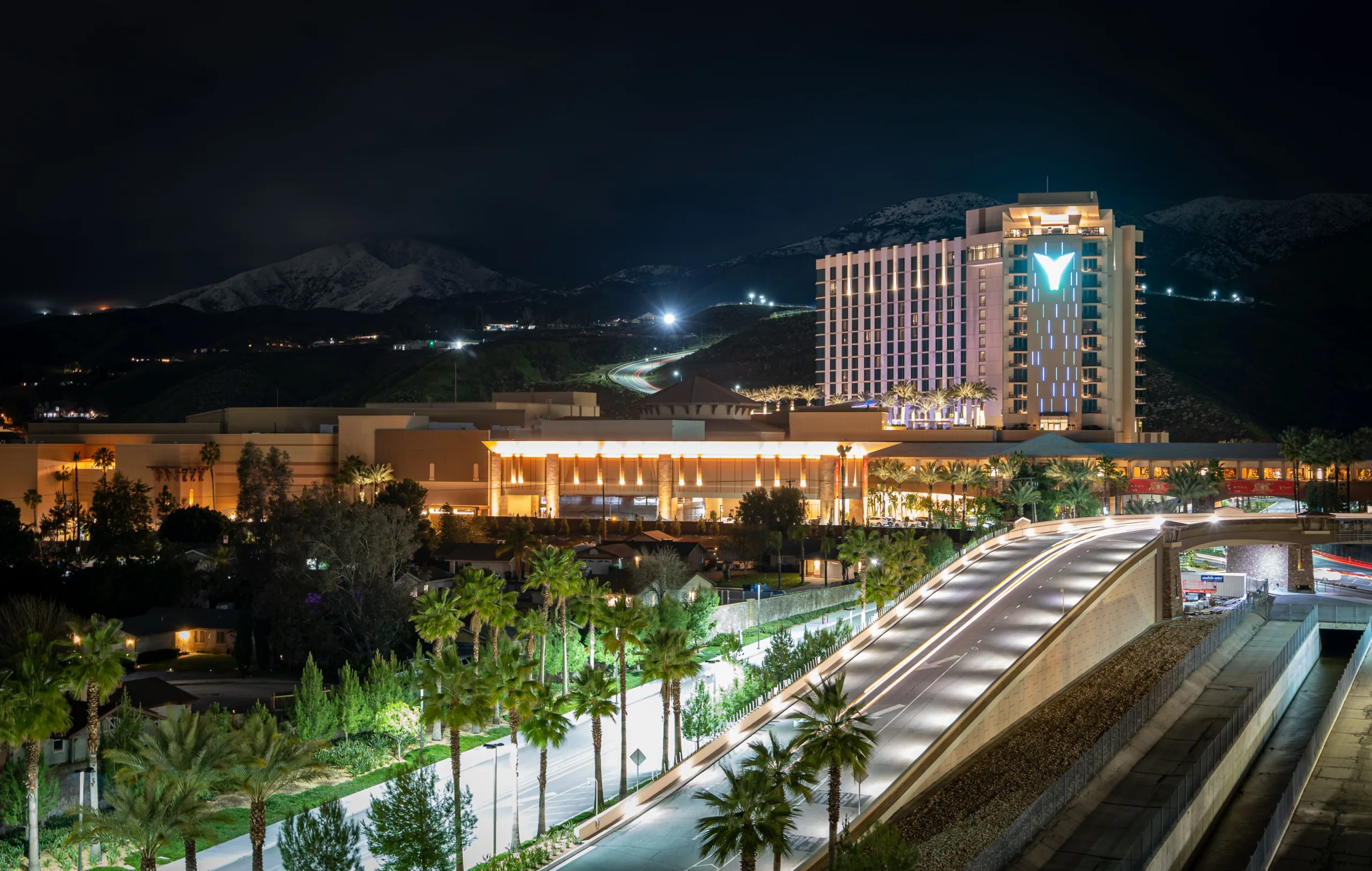
The $360M overhaul of Hollywood Casino and Hotel Aurora, west of Chicago, illustrates the shift. The floorplan now includes food halls hawking spicy street tacos, murals by local artists, and a sportsbook styled as a community bar. At Hard Rock’s upcoming Metropolitan Park complex in Queens, just 10% of the property is dedicated to gaming. Instead, designs call for 25 acres of public parks, athletic fields, and event spaces. Similar transformations are playing out nationwide—Gun Lake Casino Resort in Michigan, for example, upgraded with a luxury spa, swim-up bar, and a 16-story hotel, as well as a glass atrium flooding the lobby with sunlight.
Gen Z Preferences Reshape the Industry
Traditional gaming floors are no longer the main draw. HBG Design, active in at least 15 major US casino renovations since 2020, reports that casinos now reserve as little as 40%—sometimes even 10%—of property square footage for gaming. The Siena Research Institute found that half of US men ages 18 to 49 have accounts on mobile sportsbook platforms, while Las Vegas’s 2025 visitor survey revealed Gen Z tourists are far more interested in concerts and hangouts than gambling itself.
That preference mirrors broader Gen Z migration patterns, where affordability, lifestyle, and social opportunities increasingly influence where young adults choose to live. Operators are responding by integrating more lifestyle options and event programming. Food, spas, concerts, and social media-friendly environments have become core to the casino playbook.
Why It Matters
This evolution is more than a design refresh: it’s an existential pivot for the $60B-plus US gaming industry. Casino revenue breakdowns, such as those published by Penn Entertainment, show non-gaming services now comprise a significant and growing portion of overall earnings. Gun Lake Casino’s 2023 expansion drew visitors for its spa and swim-up bar—not just its tables. Meanwhile, health-conscious trends and post-pandemic behavioral shifts have made non-smoking the new norm. Per reports from the American Gaming Association, more than 20 US states now ban casino smoking, and many properties voluntarily follow suit to attract broader demographics.
For small- and mid-market operators, especially in regions where digital betting dominates, this shift is a survival strategy. Casino executives like Jennifer Weissman of Penn stress that young adults expect more than games: a visit must deliver a holistic experience worth leaving home for. This broader mix of amenities increases the property’s reach and revenue potential, especially as Gen Z proves less interested in lengthy gambling sessions. Designs focusing on authentic local flavor, wellness, and entertainment—rather than gaming alone—suggest the casino’s next growth wave hinges on adapting to changing guest priorities.
What’s Next
Expect more casino operators to double down on mixed-use programming, wellness offerings, and outdoor integration as the battle for Gen Z loyalty intensifies. Penn Entertainment is already investing $195M to relocate and reinvent its New Orleans riverboat casino, emphasizing hotel, dining, and sportsbook space. US regulatory filings point toward an ongoing diversification of revenue streams, with new casinos allocating even less floor area to gaming. As the digital sports betting market expands, CRE investors should watch entitlement, design, and tenant breakdowns in pipeline developments for the next phase of experiential casino real estate.