


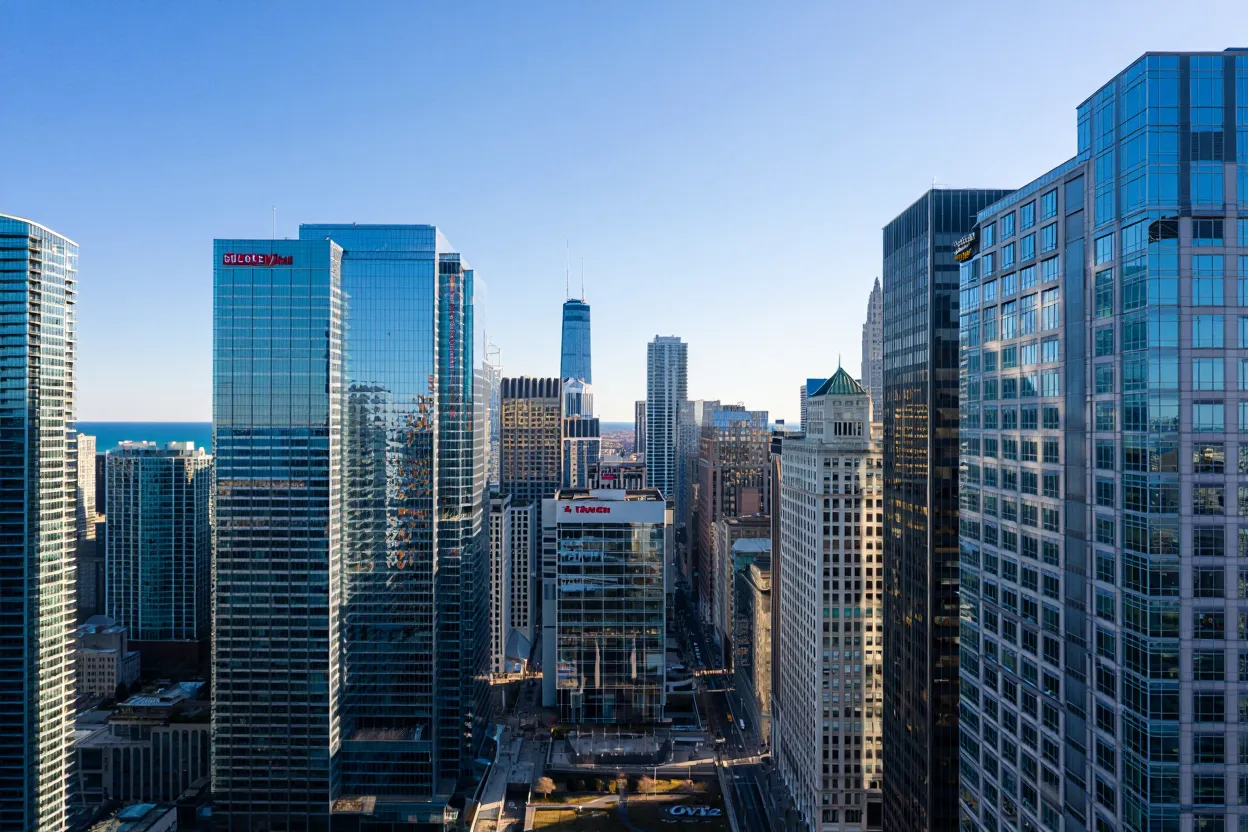
The New Apartment Blueprint: Bigger Communities, Fewer High-Rises
New research explores how developers are adapting to affordability and demand shifts.

Nina Dale
July 22, 2026
In partnership with

Good morning. Apartment construction is cooling from record highs, but developers aren't changing course. New Census data shows larger, lower-rise communities continue to dominate the multifamily pipeline.
🎙️ This Week on No Cap: Josh Zegen of Madison Realty Capital shares how the firm helped pioneer real estate private credit, navigated the GFC, and is approaching today's maturity wall. (Thanks to our sponsor, Lennar Investor Marketplace)
Listen & subscribe: Apple Podcasts | Spotify | YouTube

CRE Trivia 🧠
What type of zoning, named after a landmark 1926 Supreme Court case involving an Ohio village, remains the foundation of land-use regulation across most of the United States?
IN PARTNERSHIP WITH QC CAPITAL
Powerful Tax Benefits. High Monthly Cashflow. Limited Availability.

In a market where investors are prioritizing downside protection, QC Car Wash Fund III offers something rare: 100% Track Record, Up To 100% Tax Benefit, & Third-party Audited.
Fund Highlights:
-
Recurring, subscription-based revenue model built for stability
-
Low Correlation to Traditional CRE Cycles
-
Powerful Tax Advantages via cost segregation and bonus depreciation
-
Approved through Charles Schwab Institutional Platform
Fund Is Currently Open to Accredited Investors.
Reserve Your Spot Today
*This is a paid advertisement. Please see the full disclosure at the bottom of the newsletter.
Market Snapshot
|
|
||||
|
|
*Data as of 07/21/2026 market close.
Growth Patterns
The New Apartment Blueprint: Bigger Communities, Fewer High-Rises
New apartment construction cooled in 2025, but developers continue favoring larger communities—just not necessarily taller ones.
By the numbers: U.S. multifamily completions fell from a record 591,000 units in 2024 to 468,000 in 2025, marking a return to more typical construction levels. Smaller properties (5–49 units) saw the sharpest decline, down 27.2%, while larger properties (50+ units) fell a more modest 15.8%.

Big projects dominate: Buildings with 50+ units accounted for 59.4% of multifamily completions in 2025, up from 55.8% a year earlier. That's the second-highest share in 50 years, reinforcing the long-term shift toward larger developments driven by economies of scale and financing advantages.
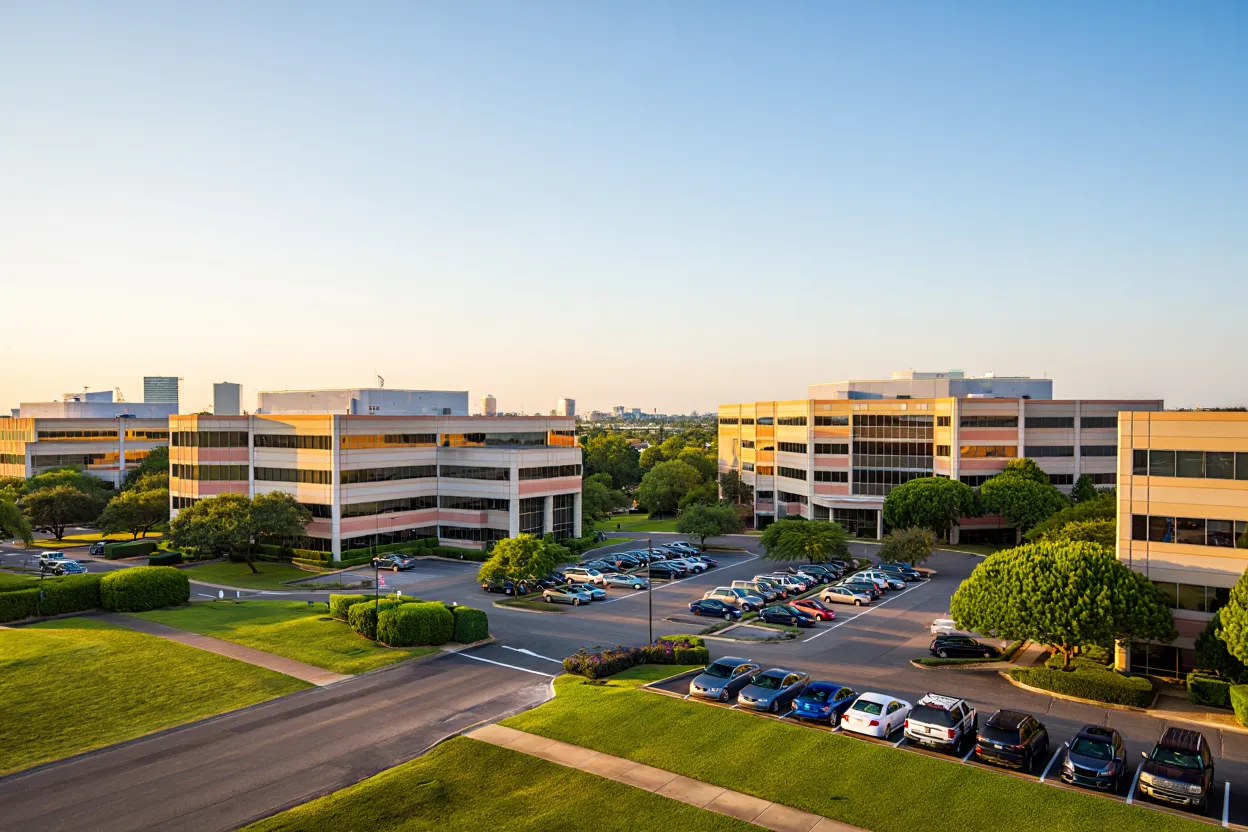
Lower-rise leads the way: Bigger developments aren't translating into more high-rises. About 60.5% of completed multifamily units were in buildings with fewer than four stories in 2025, extending a decade-long shift toward garden-style and suburban apartment communities.
Changing renter preferences: New developments are also getting larger inside. The share of completed multifamily units with more than one bedroom rose to 49.6%, suggesting developers are responding to demand for more living space, particularly in suburban markets.
➥ THE TAKEAWAY
Shifting the skyline: Construction has slowed, but developers continue favoring larger projects that can spread costs across more units. That trend is likely to persist as financing and land costs remain elevated.
A MESSAGE FROM COST SEGREGATION GUYS
Work With The Nation's Top Cost Segregation Firm

There is a reason sophisticated investors choose Cost Segregation Guys.
In 2026, we remain the gold standard for engineering-based studies that unlock maximum depreciation. Our CPA-ready reports transform 39-year depreciation into immediate, audit-proof cash flow. While others provide basic spreadsheets, we deliver technical rigor that withstands IRS scrutiny and generates an unmatched 10:1 ROI.
Stop letting your capital stay trapped. Partner with the industry leader to accelerate your cash flow today.
*This is a paid advertisement. Please see the full disclosure at the bottom of the newsletter.
✍️ Editor’s Picks
-
How healthy is your investor funnel? Get a personalized assessment, built on expert best practices, that shows exactly where your funnel is losing capital. (sponsored)
-
Graffiti revival: KPC Group and Lendlease secured approval to acquire Los Angeles’ stalled Oceanwide Plaza for $517M, aiming to invest $800M to complete the long-abandoned luxury development.
-
Resilient lending: CRE lenders are keeping credit flowing despite rising Treasury yields, with strong bank lending activity helping maintain borrower-friendly spreads and support transaction stability.
-
CRE prospecting with claude: Terrakotta’s new Claude agent is gaining traction across the CRE space. Brokers are now sourcing ownership data & off-market deals using single-line prompts. (sponsored)
-
Quantum campuses: A $70B investment wave in quantum computing is creating a new real estate sector, with research hubs, labs and specialized data centers emerging around universities and talent centers.
🏘️ MULTIFAMILY
-
Renter leverage: Apartment markets are shifting in renters’ favor as supply growth slows, vacancies stabilize, and concessions expand across oversupplied cities like Denver and Southwest Florida.
-
Measured recovery: Multifamily construction starts are gradually rebounding despite monthly volatility, with annual starts rising modestly as developers cautiously regain momentum.
-
Investor pullback: Institutional landlords are listing more single-family rental homes for sale as new rules limit acquisitions, shifting capital toward build-to-rent opportunities.
🏭 Industrial
-
Industrial pursuit: Prologis’ $18.2B takeover bid for UK industrial REIT Segro was rejected again, but the logistics giant remains interested in expanding its global footprint.
-
Shallow expansion: Merritt Properties secured $750M to expand its shallow-bay industrial portfolio, targeting high-demand smaller facilities across growing Southeast markets.
-
Storage refi: Affinius Capital and Axonic Capital provided a $42.5M loan to refinance a Miami-area self-storage portfolio expected to deliver 2,597 units across two properties.
🏬 RETAIL
-
Shrinking to grow: Rising GLP-1 medication use is changing retail demand patterns as consumers redirect spending toward fitness, apparel and healthier lifestyle categories.
-
Credit signals: Consumer spending remains resilient despite weak sentiment, but rising credit card trends highlight potential risks for discretionary retail properties and CRE lending.
-
Food reset: Big food companies are losing shoppers and investor confidence as health trends, GLP-1 drugs, inflation and private labels reshape consumer demand.
-
Target revival: Target is rebuilding shopper engagement through AI, new stores, creative partnerships and enhanced experiences aimed at restoring discovery-driven retail growth.
🏢 OFFICE
-
Candy exodus: Mars Snacking will move its U.S. headquarters from Newark to Chicago by 2027, ending a major corporate win for the city and adding to New Jersey’s office market challenges.
-
Samsung shift: Samsung is moving its U.S. headquarters from New Jersey to Texas while cutting 700+ jobs, reflecting a strategic pivot toward AI and semiconductor growth.
-
AI growth: Chicago ranks third nationally for AI job growth as rising demand for artificial intelligence talent could support future office market recovery.
-
Creative divide: Los Angeles’ office recovery remains uneven as creative industries lag while finance and legal tenants drive demand in Westside markets like Century City.
🏨 HOSPITALITY
-
Resort windfall: Braemar Hotels & Resorts is selling the Pier House Resort & Spa in Key West for $190M, more than doubling its 2014 acquisition price.
-
Travel hurdles: U.S. hoteliers saw weaker-than-expected international demand during the 2026 World Cup as visa issues, costs and uncertainty challenge future tourism growth.
📈 CHART OF THE DAY

Image courtesy of Placer.ai
Office attendance continued its gradual recovery in June, with Miami becoming the first major U.S. market to surpass pre-pandemic office visit levels while most other cities reached new post-COVID highs but remained below 2019 benchmarks.
CRE Trivia (Answer)🧠
Euclidean zoning. Named after the Village of Euclid, OH, it separates land into designated residential, commercial, and industrial districts and remains the dominant zoning model used by U.S. municipalities today.
More from CRE Daily
-
📬 Newsletters: Stay ahead of the market with local insights from CRE Daily Texas and CRE Daily New York.
-
🎙️Podcast: No Cap by CRE Daily delivers an unfiltered look at the biggest trends—and the money game behind them.
-
🗓️ CRE Events Calendar: The largest searchable calendar of commercial real estate events—filter by city or sector.
-
📊 Market Reports: A centralized hub for brokerage research and market intelligence, all in one place.
-
📈 Fear & Greed Index: A fully interactive sentiment tracker on the pulse of CRE built in partnership with John Burns Research & Consulting.

You currently have 0 referrals, only 1 away from receiving Multifamily Stress Test Model.
What did you think of today's newsletter? |