



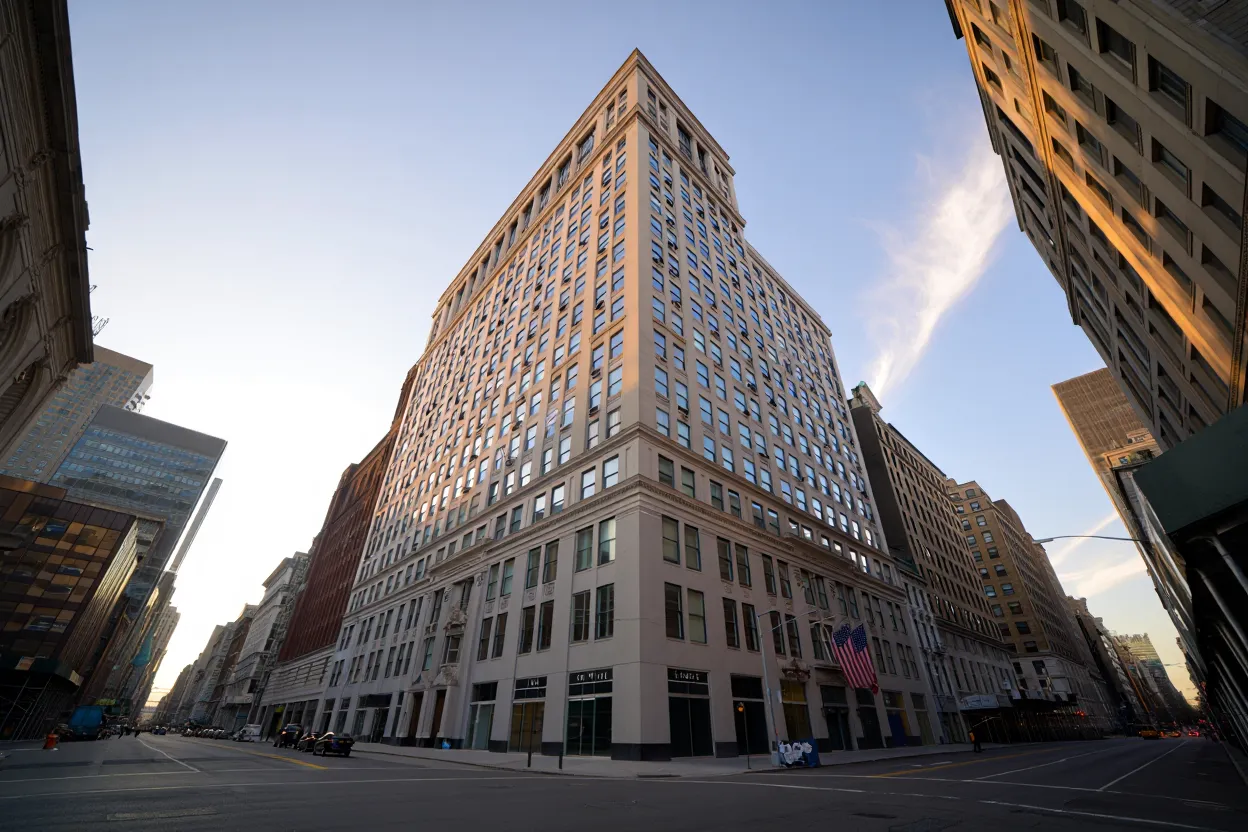
- MetroLoft and Quantum Pacific Group purchased the 322K SF 1 Whitehall St. for $104.5M, with plans to convert to apartments.
- The property was acquired from LoanCore Capital after a foreclosure; Apollo Global lent $72.5M for the deal.
- The transaction highlights sustained investor appetite for NYC office conversions despite recent safety concerns and market headwinds.
Foreclosure Fallout Triggers New Conversion Play
Bisnow reports that MetroLoft Management’s latest purchase comes on the heels of recent turmoil: just last week, another of its Manhattan projects drew public scrutiny after a structural failure shuttered ten blocks near the former Pfizer headquarters. According to PincusCo and confirmed by Crain’s New York Business, MetroLoft and Quantum Pacific Group are betting big on the office-to-residential playbook at 1 Whitehall St. in the Financial District.
The sellers, LoanCore Capital, acquired the 322K SF asset in October 2024 when the Chetrit Organization defaulted on a $156M loan amid ownership and legal uncertainties following the death of co-principal Jacob Chetrit. This backstory sets the stage for a high-profile test of demand and execution risk as the city’s conversion pipeline expands amid mounting financial pressures.
Get Smarter About What Matters in New York
Subscribe to our free newsletter covering the biggest commercial real estate stories across the five boroughs — delivered in just 5 minutes.
The Details
1 Whitehall St. sold for $104.5M in a deal finalized between MetroLoft, Quantum Pacific Group, and LoanCore Capital, per PincusCo. Apollo Global Advisors joined the transaction as lender, providing a $72.5M acquisition loan. The tower, built as an office building and most recently held by Chetrit Organization, had been in distress since mid-2023 when mortgage payments ceased.
After foreclosure, LoanCore entered contract with MetroLoft and Quantum Pacific in April 2026, culminating in a midsummer closing. The 322K SF property is well-positioned for conversion based on age and Financial District location, underlying the ongoing shift in Manhattan investment strategies as the office sector strains under persistently high vacancy and reduced tenant demand.
Conversion Wave Shapes FiDi
The transaction adds to a growing slate of office-to-residential conversions in Lower Manhattan, where older towers face long-term leasing headwinds. CBRE’s Q1 2026 market report revealed that downtown office vacancy was at 18.6%, on par with pandemic highs, as tenants shrink footprints and lenders squeeze distressed borrowers.
MetroLoft, which specializes in adaptive reuse, has already made prominent bets in this space. While recent safety issues at one of its other conversion sites spotlight execution risk, investor demand remains strong. The city’s push for conversions, including zoning changes and potential tax incentives, has turbocharged activity in the Financial District in particular, attracting private equity and institutional capital despite market uncertainty. That momentum mirrors a broader rise in office-to-residential projects nationwide as falling office values improve conversion economics for aging assets.
Why It Matters
Several forces converge in the 1 Whitehall St. deal: structural distress in legacy office towers, the hunt for yield by private capital, and the city’s mounting need for new housing. As older office buildings struggle to retain tenants and refinancing costs rise, ownership turnover via foreclosure is climbing. Per Savills’ mid-2026 outlook, more than $8B in Manhattan office debt was distressed or non-performing as of June 2026. Conversions offer a partial off-ramp by unlocking value where the office market cannot. Yet, last week’s incident at MetroLoft’s Pfizer conversion is a stark reminder that these projects carry significant construction and regulatory risks.
For lenders, conversion plans can help recover principal; for developers, success hinges on cost controls and market timing. But the model is not a panacea: only a subset of towers can be viably re-engineered, and delays or budget overruns—now in the spotlight—could change the calculus for future deals. Nonetheless, MetroLoft’s acquisition signals that well-capitalized players still see upside, especially as city leaders ramp pressure for adaptive reuse in the heart of the Financial District.
What’s Next
MetroLoft and Quantum Pacific now move to advance design, permitting, and financing for 1 Whitehall St.’s residential conversion—a timeline likely complicated by recent scrutiny on conversion safety and regulatory compliance. The city’s support for these projects puts a spotlight on execution and community impact. With more than 20M SF of office inventory across NYC potentially eligible for conversion by 2027, according to REBNY, the pipeline is far from exhausted.
However, lenders, insurers, and regulators may further tighten standards after last week’s Pfizer site incident. The success and speed of 1 Whitehall’s transformation will serve as a key case study for the viability of Manhattan’s office-to-resi conversion boom as structural office surpluses persist.