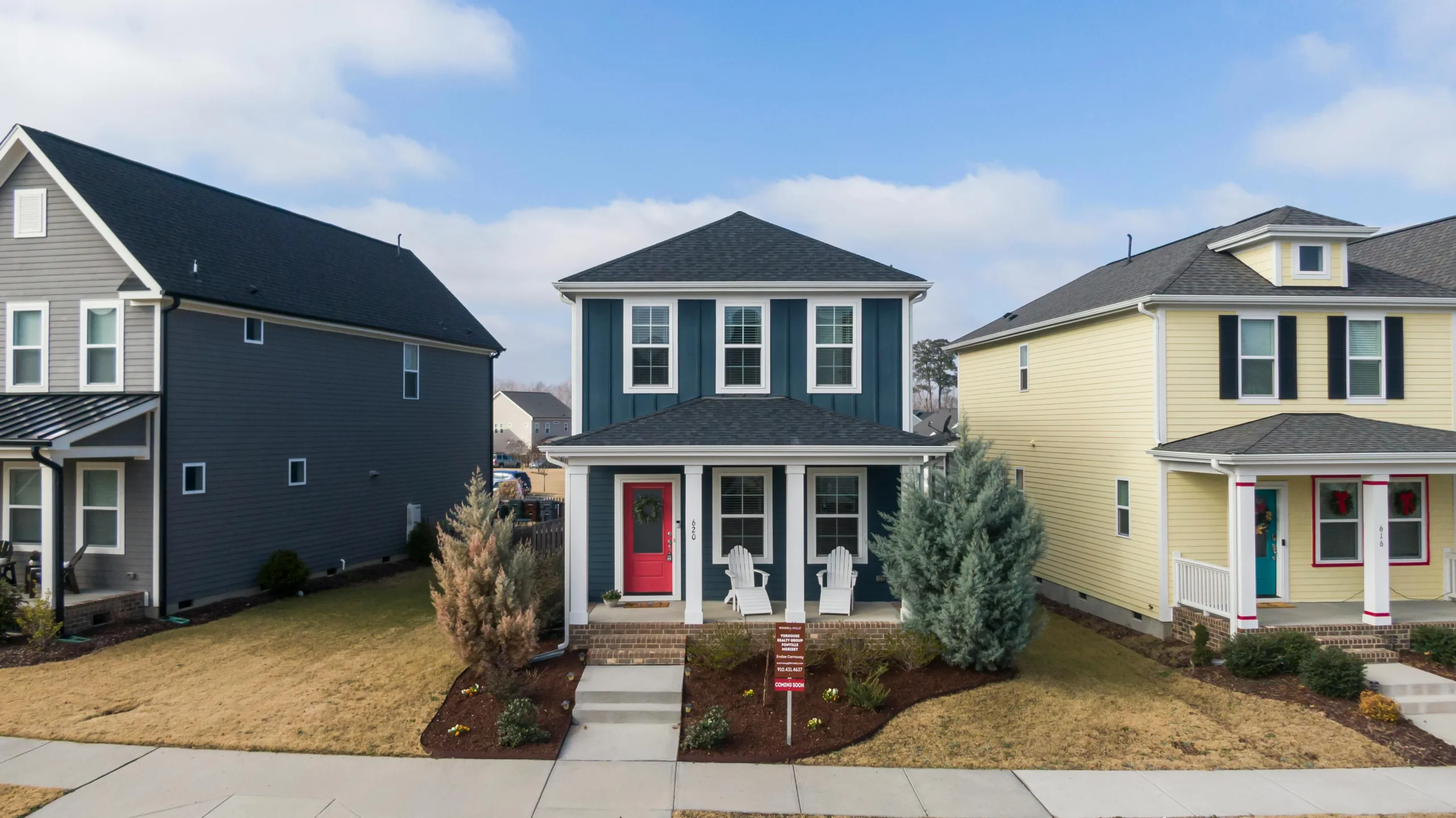









- The ROAD to Housing Act caps single-family acquisitions by large investors but expands incentives and financing tools for housing supply and community development.
- Key provisions prioritize Opportunity Zone multifamily, increase bank public welfare investment limits, and create a $200M innovation fund for municipalities increasing housing supply.
- The realignment is expected to accelerate build-to-rent, adaptive reuse, and affordable housing development, while limiting institutional bulk-buying of resale homes.
Institutional Housing Playbook Gets an Update
The 21st Century ROAD to Housing Act, now effective after President Trump’s inaction, upends the investment calculus for US institutional single-family rental (SFR) markets. Globe St reports that the law will curb large-scale purchases of existing single-family homes by institutional investors (those holding more than 350 homes), while carving out exceptions for new construction, build-to-rent (BTR), and key community development strategies.
Rather than a blanket clampdown, market participants see the new law as a pivot point: dealmaking is tipped to shift toward building new supply and redevelopment, reshaping sector flows for the foreseeable future.
Moody’s Ratings calls the buy limits credit-neutral for the SFR sector, pointing instead to expanded routes for capital and federal support for affordable and Opportunity Zone multifamily. With construction and redevelopment pipes open wide, sources say the investment story lies less in homebuying caps than in regulatory tailwinds for community-oriented developments and long-term rental communities.
Get Smarter about what matters in CRE
Stay ahead of trends in commercial real estate with CRE Daily – the free newsletter delivering everything you need to start your day in just 5-minutes
Community Investment Gets a Federal Nudge
The ROAD to Housing Act expands earlier federal efforts to widen access to housing capital. Section 201 lets the Department of Housing and Urban Development prioritize Opportunity Zone projects for competitive grants. The change redirects public incentives toward new housing supply in designated areas.
Section 203 raises the cap on banks’ public welfare investments from 15% to 20%. That change unlocks more funding for affordable, workforce, and adaptive reuse projects. Meanwhile, Section 208 creates a $200M annual innovation fund. The fund rewards municipalities that measurably increase housing supply.
Industry leaders, including PTM Partners’ Michael Tillman, view these changes as structural rather than cyclical. They expect stronger project capitalization and deeper public-private partnerships in overlooked neighborhoods. The finance provisions should benefit multifamily, BTR, and mixed-use projects. Growth markets and underinvested communities could benefit the most.
The Details
The law bars institutions with portfolios above 350 homes from buying existing single-family houses. However, exemptions allow new-build acquisitions and BTR developments.
SFR leaders, including Invitation Homes and American Homes 4 Rent, already focus on new development. AMH has delivered 14,000 homes since 2017. Invitation Homes recently acquired a developer with options on 1,500 lots.
Lawmakers also removed a proposed seven-year forced resale requirement for new acquisitions. RREAF’s Jeff Holzmann told Globe St that the change preserves BTR as a viable long-term hold strategy.
The law also increases disclosure and reporting requirements for large owners. Investors must now inform tenants about resources available under the Act.
In addition, the 15-year lookback provision creates new compliance requirements for acquisitions. The measure further encourages ground-up development over resale strategies. However, fix-and-flip, adaptive reuse, and fix-to-rent projects remain protected.
Build-to-Rent Moves to the Forefront
According to Globe St, the law will shape future investment strategies more than existing portfolios. Institutional investors had already shifted toward new construction before the legislation passed. The Act’s exemptions now allow that trend to accelerate.
Build-to-rent stands out as a major beneficiary. Policymakers shielded the sector from new limits and reduced future political risk. That protection arrives as the sector shows signs of stabilizing after several quarters of slower investment activity and pricing pressure.
JLL’s Matthew Putterman and NexMetro’s Josh Hartmann both highlighted the BTR exemption. They said the carveout supports sponsor confidence and continued capital flows into rental communities.
Meanwhile, investors continue pursuing fix-and-flip and renovation projects to expand supply. Restrictions on bulk SFR acquisitions may tighten institutional rental inventory. Still, policymakers aim to increase supply through new construction and adaptive reuse.
The strategy especially favors the Sun Belt and Opportunity Zones. Federal incentives also give developers and joint venture partners a competitive advantage. That advantage should benefit projects tied to community demand and demographic growth.
Why It Matters
For CRE, the story centers less on restricting Wall Street and more on reshaping housing capital. Moody’s expects limited near-term effects on SFR credit quality. Large REITs had already shifted toward development-focused models after valuations surged and resale inventory tightened.
American Homes 4 Rent expects all of its 2026 growth to come from new development. The company does not expect acquisitions to contribute to expansion.
Michael Tillman of PTM Partners sees Opportunity Zone housing as the law’s lasting legacy. He expects stronger capital flows into multifamily, adaptive reuse, and affordable housing projects.
Federal policy now explicitly favors neighborhoods where public and private capital can scale together. Section 203 could increase lending by billions each year. Public welfare investments across the banking sector already sit near the old 15% ceiling.
The $200M Innovation Fund remains modest in size but could prove highly catalytic. Local governments receive incentives to pursue policies that increase housing supply.
The Act also promises operational savings for developers. Expanded NEPA exclusions and delegated reviews could remove months from project timelines. Infill projects may benefit the most from those changes.
The timing matters as developers face rising construction costs and tighter margins. However, RREAF’s Holzmann warned against assuming faster approvals or larger appropriations. The law creates dozens of programs but provides no new operating funds for HUD. Sponsors should continue underwriting conservatively.
What’s Next
Developers and investors will likely shift toward qualifying BTR and adaptive reuse projects. Opportunity Zone multifamily should also attract more attention.
Many sponsors will pursue these projects to access new incentives and avoid SFR acquisition restrictions. Lenders may also review public welfare lending exposure more closely.
Developers could seek partnerships with municipalities pursuing pro-housing policies. Those relationships become more valuable when Section 208 funding aligns with local priorities.
Federal agencies must still publish detailed rules covering ownership thresholds and compliance tracking. Enforcement of acquisition restrictions begins 180 days after enactment.
Many investors will watch the Sun Belt closely as migration trends and housing shortages converge. The market also awaits congressional decisions on HUD funding. Additional support could determine how effectively agencies implement the new programs in 2027.