






- Effective US apartment rents are projected to rise 1.9% from Q3 2026 to Q2 2027, per RealPage Analytics.
- Energy-driven inflation, muted job growth, and cautious Fed policy shape the sector’s outlook amid economic headwinds.
- Construction is slowing, with only 312,000 new units expected in 12 months, concentrating supply in top markets like Dallas and New York.
Energy Shock Sets the Stage
The US multifamily sector is navigating a volatile macro backdrop, according to the RealPage Analytics Blog. An energy price surge in spring 2026, triggered by global oil supply disruptions, reignited inflation and rattled growth expectations.
Despite these headwinds, the broader economy showed resilience: Q1 GDP was revised upward to 2.1% annualized, though forecasts for Q2 are softer, with the Atlanta Fed’s GDPNow tracking at 1.4%. Employment gains were mixed, with June’s 57,000 net new jobs marking the slowest month since February and the unemployment rate dipping to 4.2% due mainly to workforce exits.
The spring spike in headline inflation saw PCE climb to 4.1% year-over-year in May—the highest since early 2023—driven mainly by energy costs. Core PCE inflation, at 3.4%, indicated that underlying price pressures were less severe. This environment of uneven growth and persistent inflation colors the outlook for apartments, as operators and developers eye both demand and supply risk.
Get Smarter about what matters in CRE
Stay ahead of trends in commercial real estate with CRE Daily – the free newsletter delivering everything you need to start your day in just 5-minutes
The Details
RealPage forecasts national effective apartment rents will rise about 1.9% between Q3 2026 and Q2 2027. Only three markets should post rent growth above 3%: San Francisco (3.8%), Milwaukee (3.5%), and Miami (3.4%).
More than half of the top 50 metros, or 56%, should record gains between 2.0% and 2.9%. That group includes Los Angeles, San Diego, Chicago, and Cincinnati. Another quarter of major markets should land between 1% and 1.9%, including New York, Seattle, DC, and Phoenix.
Meanwhile, markets facing oversupply will lag. Austin, Tampa, Denver, Fort Worth, Houston, and San Antonio may post flat or negative rent growth.
Construction activity is slowing. Developers plan to deliver about 312,000 units nationally over the next four quarters. Roughly 84% of those units will arrive in the top 50 metros.
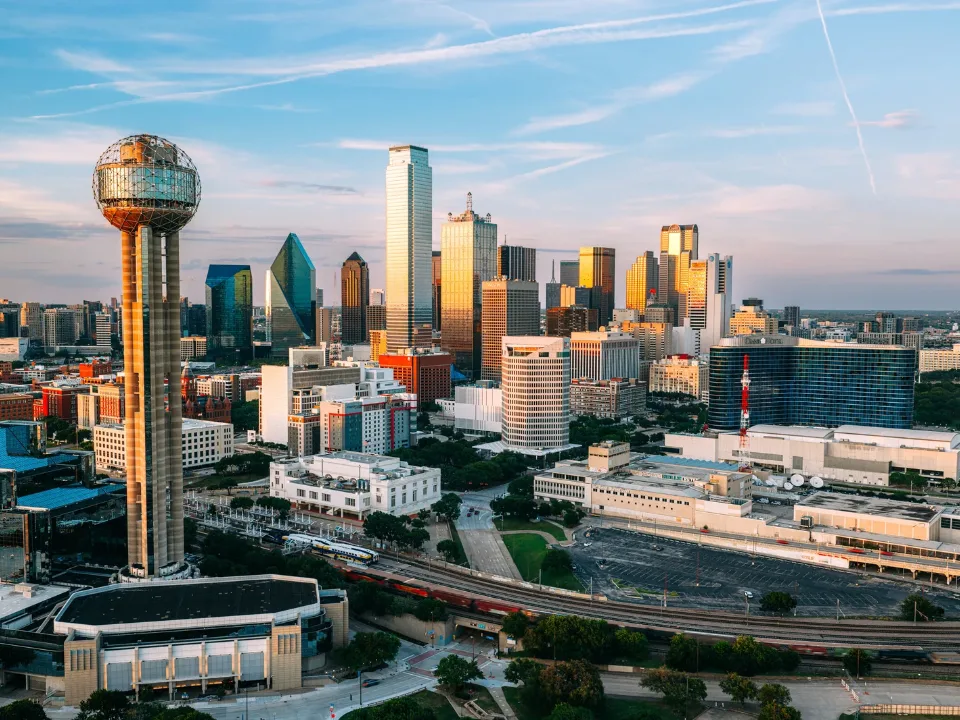
Dallas leads the country with nearly 19,000 new apartments underway. New York and Newark each expect more than 16,000 deliveries. Phoenix and Houston also maintain large pipelines.
Conversely, several markets face limited new supply. Memphis, Virginia Beach, Oakland, Cleveland, and San Francisco could benefit from lower supply pressure on rents.
Shifting Construction Pipeline
The slowdown in multifamily construction has become a defining trend this cycle. Developers have pulled back amid higher capital costs and slower lease-ups. Early 2026 construction cost increases have added further pressure, making new apartment projects harder to finance. They also face ongoing logistical uncertainty.
Compared with pandemic-era peaks, future deliveries look far more restrained. Most new activity now concentrates in gateway and high-growth Sun Belt markets.
Local supply conditions continue to shape market performance. In Austin, Tampa, and Houston, large construction pipelines weigh on rents and occupancy.
By contrast, San Francisco and Cleveland could outperform national averages due to limited incoming supply. However, questions remain about the durability of demand.
Economic signals remain mixed, while inflation still sits above the Fed’s 2% target. Apartment demand has stayed resilient, but growth has slowed. Renters continue to face higher living costs and a softer labor market.
Why It Matters
For owners and investors, the 1.9% rent forecast signals a more balanced market. The apartment sector appears to be moving beyond years of extreme volatility.
RealPage expects only a handful of metros to exceed 3% rent growth. Most major markets will likely settle into moderate gains instead.
A slowing economy partly explains the softer outlook. The BLS reported only 334,000 net new jobs during Q2 2026. Labor force participation also fell to 61.5%, the lowest level since early 2021.
Inflation remains a major variable. RealPage reported headline PCE inflation reached 4.1% in May. That increase highlights the sector’s exposure to macroeconomic shocks.
The Fed has signaled a possible rate hike later in 2026. At the same time, moderating energy prices could ease operating pressures for owners.
Still, rent growth will likely remain weak in oversupplied Sun Belt markets. Supply-constrained metros could continue to outperform, widening performance gaps between cities.
The shrinking construction pipeline may also reduce vacancy risks. However, heavy-delivery markets will likely struggle to push rents higher.
Owners in low-supply markets could capture stronger gains. Even so, rising operating costs continue to pressure margins nationwide.
What’s Next
The next year will depend heavily on interest rate decisions and energy prices. Lower energy costs could cool inflation and support apartment demand.
Fed policymakers have grown more hawkish in recent months. Only half now expect a rate cut during 2026. Still, falling oil prices could revive rent momentum.
Supply constraints should help prevent widespread oversupply in most markets. Investors will continue watching local fundamentals closely.
Job growth, absorption trends, and wage growth will remain key indicators. With national rent growth projected below 2%, the market appears set for moderation rather than another boom.