



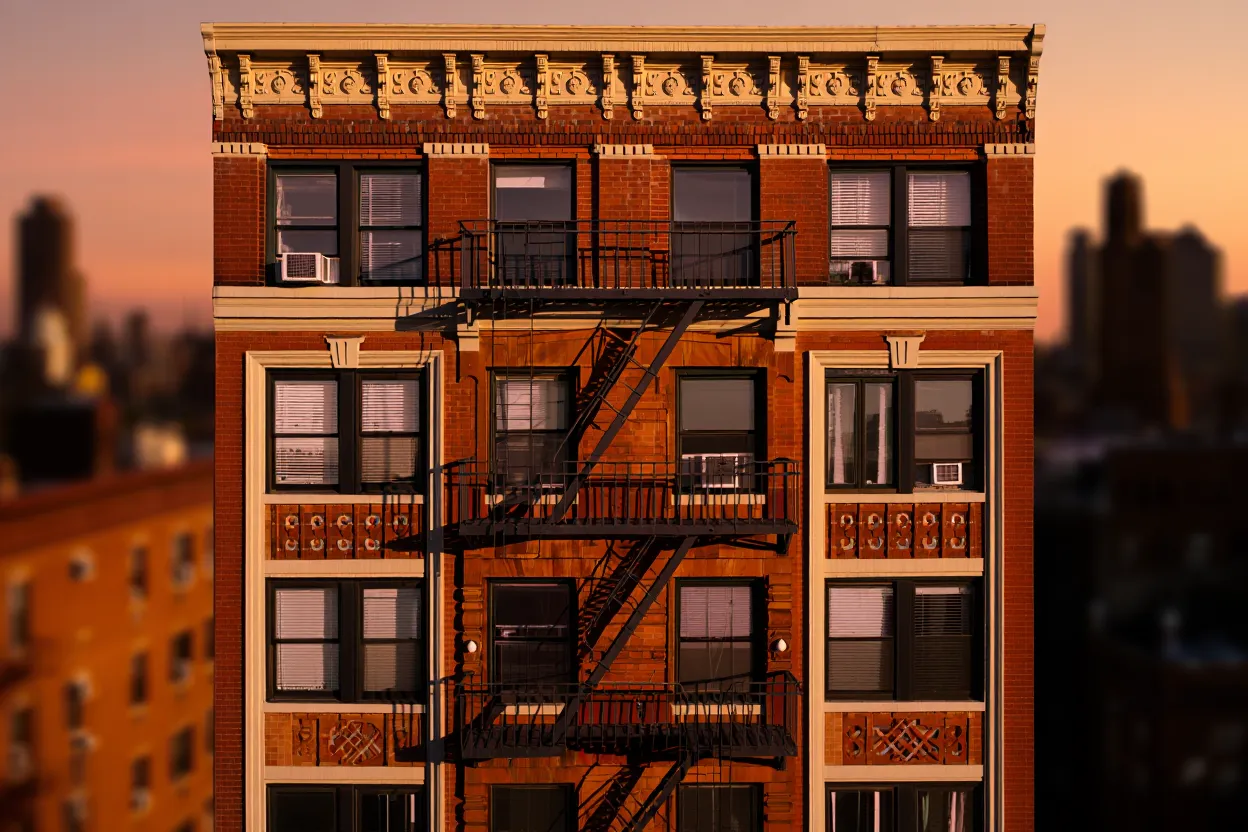
- New York City’s Rent Guidelines Board voted to freeze rents on all one- and two-year leases for approximately 1M rent-stabilized apartments.
- The freeze follows Mayor Zohran Mamdani’s campaign pledge but drew heavy criticism from landlords and industry groups citing rising costs.
- This move puts more pressure on market-rate units and may spark legal pushback, with city-backed relief for some landlords already in motion.
Tenant Activism Shapes Policy
New York City’s Rent Guidelines Board (RGB) voted 7-1 to freeze rents for the city’s 1M rent-stabilized apartments, as reported by The Wall Street Journal. The move caps a key campaign promise by Mayor Zohran Mamdani, who advocated for a four-year rent freeze to boost affordability. The freeze takes effect for leases starting October 1. Critics from the landlord community argue the freeze ignores increases in operating costs, including insurance, taxes, and utilities. Meanwhile, tenant advocates, who packed the board meeting at El Museo del Barrio in Manhattan, greeted the decision with cheers and “Freeze the Rent!” signs. The measure arrives as New York’s regulated multifamily sector faces mounting economic and regulatory headwinds.
Per a 2026 report from the city’s Independent Budget Office, the median rent for rent-stabilized units is $1,603. However, market-rate apartments routinely ask over $4,000 in prime neighborhoods, highlighting the affordability divide that has fueled citywide housing debates and political action in the past year.
Get Smarter about what matters in CRE
Stay ahead of trends in commercial real estate with CRE Daily – the free newsletter delivering everything you need to start your day in just 5-minutes
Pushback to Prior Rent Hikes
The 2024 rent freeze follows a sharply divided 2023 decision where the RGB approved a 3% increase on one-year leases and a 4.5% hike for two-year leases—measures landlords said were still insufficient to counter rising costs. The 2019 overhaul of rent regulations by then-Gov. Andrew Cuomo curbed landlords’ ability to transition units to market rate, which some owners claim has left them with fewer levers to cover mounting expenses. The current freeze punctuates ongoing tensions between stabilization policy and owner solvency, especially as inflation and insurance premiums climb. The board’s makeup changed substantially after Mamdani’s six appointments earlier this year, fueling landlord suspicions that the freeze was preordained despite official deliberations.
The Details
The 7-1 vote enacts a 0% rent increase for both one- and two-year leases starting on or after October 1. One member of the board resigned just before the vote, asserting that the outcome had been predetermined politically. The policy applies to all 1M rent-regulated residences in the city, with the board citing an overriding need for tenant relief. Owner representatives and the New York Apartment Association argue that suppressed rent growth, especially given soaring insurance and maintenance costs, could drive some assets to foreclosure or prompt higher market-rate rents. In anticipation of the policy, Mamdani’s office launched a city-sponsored insurance program in April aiming to cut landlords’ costs by up to 30%, and a $5M loan fund targeting overdue rent obligations.
Pressure Mounts in Rent-Regulated Sector
The freeze adds to mounting pressure on rent-stabilized landlords since New York tightened rent laws in 2019. Owners can no longer raise rents after tenant turnover and face capped annual increases. Many question long-term property maintenance and asset viability. The Independent Budget Office found stabilized rents range from $1,190 at the 25th percentile to $2,186 at the 75th. However, market-rate rents remain much higher as demand outpaces supply.
Meanwhile, the Apartment Association expects owners to shift more costs to market-rate tenants. It also warns that tighter margins could weaken building conditions. Legal challenges are likely. The Rent Guidelines Board must balance tenant affordability with landlords’ financial realities.
Why It Matters
The decision strengthens tenant protections in the nation’s largest rental market. It also reinforces New York’s role as a housing policy bellwether. The city’s 2026 Independent Budget Office report shows median market-rate rents exceed $4,000 in high-demand neighborhoods. That gap highlights rent stabilization’s importance for nearly one million households.
However, the freeze increases pressure on owners facing rising costs and limited rent growth. Many also struggle to fund maintenance, absorb bad debt, or reposition aging properties. The Apartment Association warns the policy could increase foreclosures and property deterioration. Those concerns continue to shape debates in heavily regulated markets.
Cities nationwide will watch New York’s approach closely. Policymakers must balance housing affordability with incentives for private investment. That debate has already intensified as critics question whether the current regulatory framework can protect tenants without undermining property owners. The city has introduced insurance relief and rent-arrears loan programs. However, those measures may not offset prolonged income constraints.
Legal challenges are expected. Other high-cost cities may also expand rent stabilization, keeping owner solvency in focus.
What’s Next
The rent freeze takes effect on October 1 for new leases. Advocacy groups are preparing for legal challenges and continued public debate. Owners may seek support through new city programs. Still, rising costs could trigger repricing, deferred maintenance, or portfolio restructuring.
Policymakers continue weighing additional relief measures and regulatory changes. Those discussions may intensify ahead of local and federal elections. New York’s experience could become a model or warning for other expensive cities considering similar policies.