



- Pimco Prime Real Estate is scaling up its strategy to buy and renovate older properties in major cities with strong climate policies.
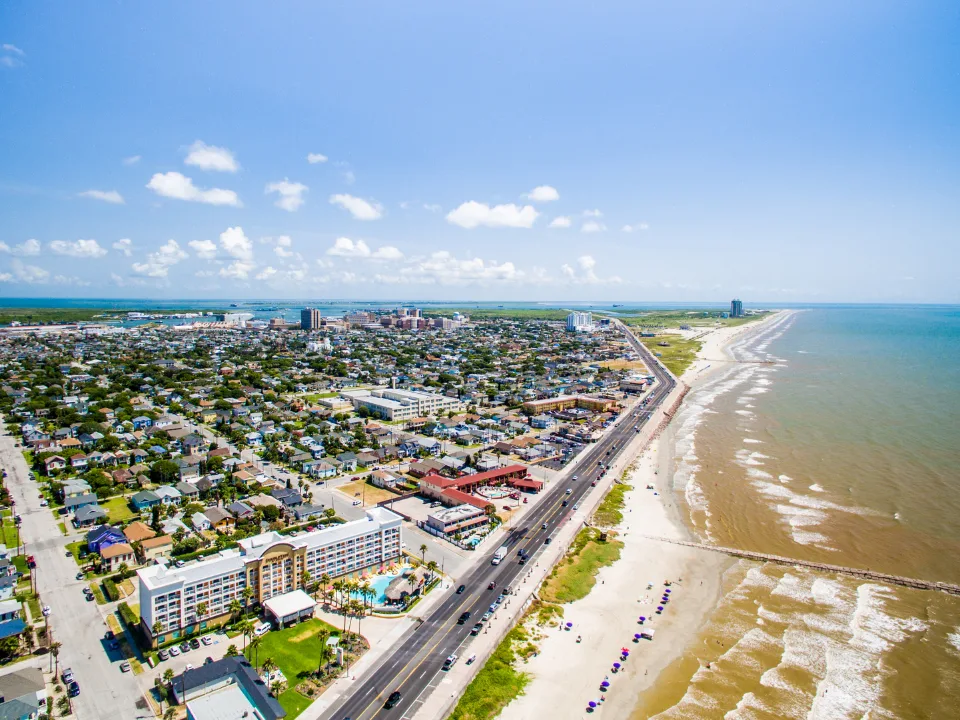
- The group is focusing on markets where insurance remains accessible, while avoiding areas highly exposed to climate risk, such as parts of Florida and California.
- Rising insurance costs and new regulations are compelling CRE investors to adapt, to avoid asset devaluation projected at up to $1.5T in the US over 30 years.
Climate-Risk Strategy Gains Urgency
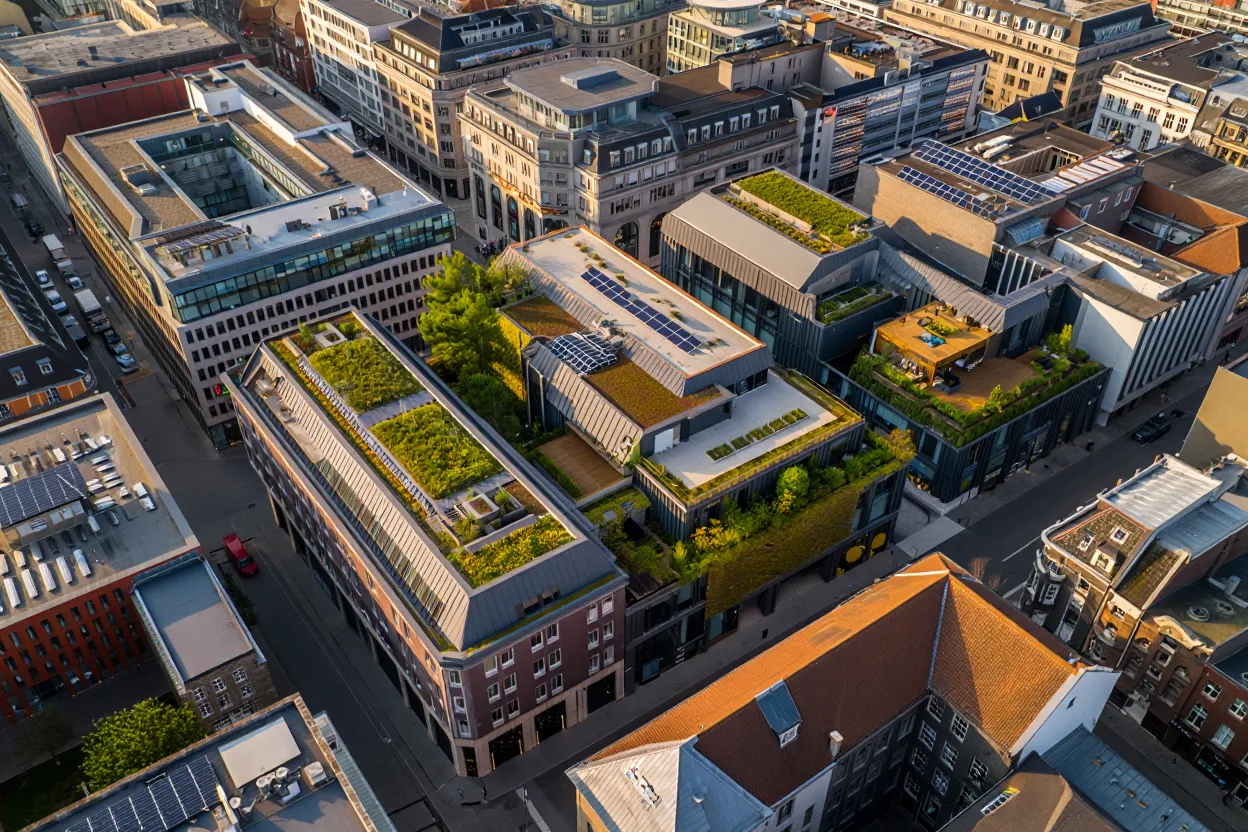
Pimco Prime Real Estate, the property investment arm of Pacific Investment Management Co., is intensifying its acquisition and renovation of outdated commercial assets in global cities. According to Bloomberg, the firm, which manages $85B for Allianz Group, aims to future-proof buildings against worsening extreme weather and regulatory risks. This push comes as new climate-related mandates and rising energy costs force landlords and investors to re-evaluate aging portfolios.
Get Smarter about what matters in CRE
Stay ahead of trends in commercial real estate with CRE Daily – the free newsletter delivering everything you need to start your day in just 5-minutes
Other asset managers, including Blackstone and Brookfield, have begun competing for similar brown-to-green upgrade opportunities, signaling a fast-growing trend. Regulatory threats — particularly in London, Paris, and other major markets — heighten the urgency for large-scale upgrades, with risks mounting for owners who fail to adapt.
A 2025 study from First Street Technology Inc. warns that property values in the US could sink by as much as $1.5T in coming decades if adaptation lags, making proactive strategies like Pimco Prime’s particularly timely. This scenario is already partly materializing through the steep rise in US property insurance premiums, which have more than doubled over the past decade.
The Details
With new capital from Allianz, Pimco Prime is expanding building upgrades. It is also weighing acquisitions in climate-resilient markets.
Raphael Mertens, the firm’s sustainability chief, said Pimco Prime seeks outdated properties in strong locations. The goal is to reposition them for modern environmental standards. The firm will decide whether to hold or sell assets based on market conditions and client demand.
Pimco Prime avoids markets where climate inaction created uninsurable assets. As a result, it largely steers clear of Florida, California, and parts of Asia. Instead, it favors cities such as Paris, Munich, Sydney, and New York. The firm cites strong climate policies and manageable insurance costs.
Still, some areas in higher-risk states remain attractive. These include the Waterford Business District near Miami. Sites in San Francisco, Palo Alto, and Irvine also qualify because they face lower exposure.
Insurance and Regulation Sharpen Investment Divide
This strategy highlights a growing divide in CRE. Cities that invest in climate resilience continue attracting capital. Meanwhile, others risk rapid disinvestment.
Regulators across Europe and the US are increasing pressure on landlords. Owners must cut building emissions or risk financial obsolescence. The UK remains a key example. Reports warn that central London offices could lose significant value without major green upgrades.
At the same time, insurance costs keep rising. First Street researchers found US commercial property premiums jumped 150% in less than a decade. Similar coverage gaps are emerging across Europe. According to the European Central Bank, fewer than 25% of natural disaster losses carry insurance. In some countries, the figure falls below 5%.
As a result, investors must become more selective. Peer firms are adjusting their strategies as well. Blackstone, Brookfield, and Henderson Park Capital Partners now pursue brown-to-green deals. They target properties that can support long-term resilience and compliance.
Why It Matters
Institutional CRE owners face a clear message. Assets that cannot withstand climate shocks may become uninsurable or lose value.
First Street’s 2025 study estimates US property losses could reach $1.5T by 2055. That assumes owners delay adaptive upgrades. Insurance renewals have also become less predictable. Premiums continue rising, while coverage keeps shrinking.
Mertens noted that insurance renewals occur every one to two years. Therefore, risks can escalate quickly, even for recently insured properties. Many parts of Florida, California, and Asia have already become difficult markets for new CRE investment.
By contrast, Paris, Munich, Sydney, and New York offer greater stability. These cities invested heavily in flood defenses, green standards, and emergency infrastructure. Recent estimates suggest climate exposure can reduce CRE values by as much as 17% in vulnerable markets, raising the stakes for owners that delay upgrades.
The split is spreading across the industry. Asset managers from Blackstone to Galvanize now focus on brown-to-green strategies. They expect higher power costs and stricter policies to boost demand. Regulatory momentum adds pressure. Adapted assets attract global capital, while outdated buildings risk obsolescence.
This period marks a tipping point for CRE. Surveys from the European Central Bank show many owners underestimate climate risks. As a result, some face unexpected financial shocks. Proactive upgrades are no longer optional. Investors who move early may benefit, while others risk steep value losses.
What’s Next
Pimco Prime plans to keep directing capital toward aging assets in climate-ready cities. Decisions to hold or sell upgraded properties will depend on markets and client goals.
Climate and insurance risks continue to accelerate. Therefore, expect more deals in resilient markets and new ESG requirements across Europe and the US. Regulatory deadlines and insurance volatility will likely shape transaction activity. Peer funds are expected to follow. Meanwhile, owners who delay upgrades face a shrinking window to reposition outdated properties.